
Title
Einstein and Religion,Used
Sold by Ergodebooks, an authorized reseller.
Returns accepted within 30 days | support@ergodebooks.com
Shipping Information
- Free Standard Shipping — United States only
- Processing Time: 3–5 business days
- Estimated Delivery: 6–10 business days after dispatch
- Double-boxed, fully insured & discreetly packaged
- Tracking number sent via email once dispatched
Returns & Refund
Returns accepted within 30 days of delivery.
Damaged or Defective Item
Free return shipping + replacement or full refund
Wrong Item Received
Free return shipping + replacement or full refund
Change of Mind
Return shipping at customer's expense · 25% restocking fee applies
Payment Option

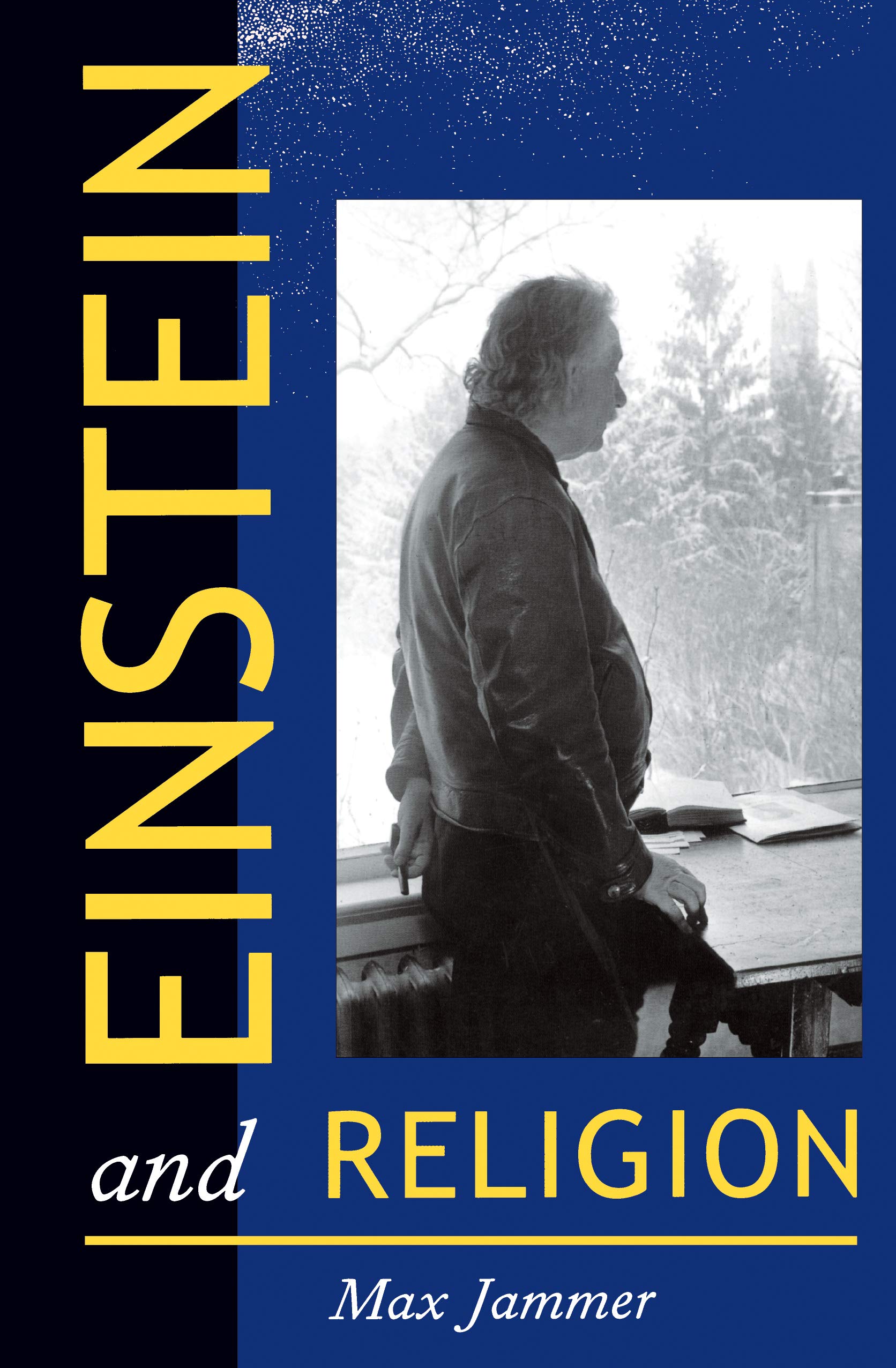
The philosophy of religion and the quest for spiritual truth preoccupied Albert Einsteinso much that it has been said 'one might suspect he was a disguised theologian.' Nevertheless, the literature on the life and work of Einstein, extensive as it is, does not provide an adequate account of his religious conception and sentiments. Only fragmentarily known, Einstein's ideas about religion have been often distorted both by atheists and by religious groups eager to claim him as one of their own. But what exactly was Einstein's religious credo? In this fascinating book, the distinguished physicist and philosopher Max Jammer offers an unbiased and welldocumented answer to this question.The book begins with a discussion of Einstein's childhood religious education and the religious atmosphereor its absenceamong his family and friends. It then reconstructs, step by step, the intellectual development that led Einstein to the conceptions of a cosmic religion and an impersonal God, akin to 'the God of Spinoza.' Jammer explores Einstein's writings and lectures on religion and its role in society, and how far they have been accepted by the general public and by professional theologians like Paul Tillich or Frederick Ferr. He also analyzes the precise meaning of Einstein's famous dictum 'Science without religion is lame, religion without science is blind,' and why this statement can serve as an epitome of Einstein's philosophy of religion.The last chapter deals with the controversial question of whether Einstein's scientific work, and in particular his theory of relativity, has theologically significant implications, a problem important for those who are interested in the relation between science and religion. Both thoughtprovoking and engaging, this book aims to introduce readers, without proselytizing, to Einstein's religion.
⚠️ WARNING (California Proposition 65):
This product may contain chemicals known to the State of California to cause cancer, birth defects, or other reproductive harm.
For more information, please visit www.P65Warnings.ca.gov.