If you have any questions, you are always welcome to contact us. We'll get back to you as soon as possible, withing 24 hours on weekdays.
Customer service
All questions about your order, return and delivery must be sent to our customer service team by e-mail at yourstore@yourdomain.com
Sale & Press
If you are interested in selling our products, need more information about our brand or wish to make a collaboration, please contact us at press@yourdomain.com
Help
If you have any questions, you are always welcome to contact us. We'll get back to you as soon as possible, withing 24 hours on weekdays.
Customer service
All questions about your order, return and delivery must be sent to our customer service team by e-mail at yourstore@yourdomain.com
Sale & Press
If you are interested in selling our products, need more information about our brand or wish to make a collaboration, please contact us at press@yourdomain.com
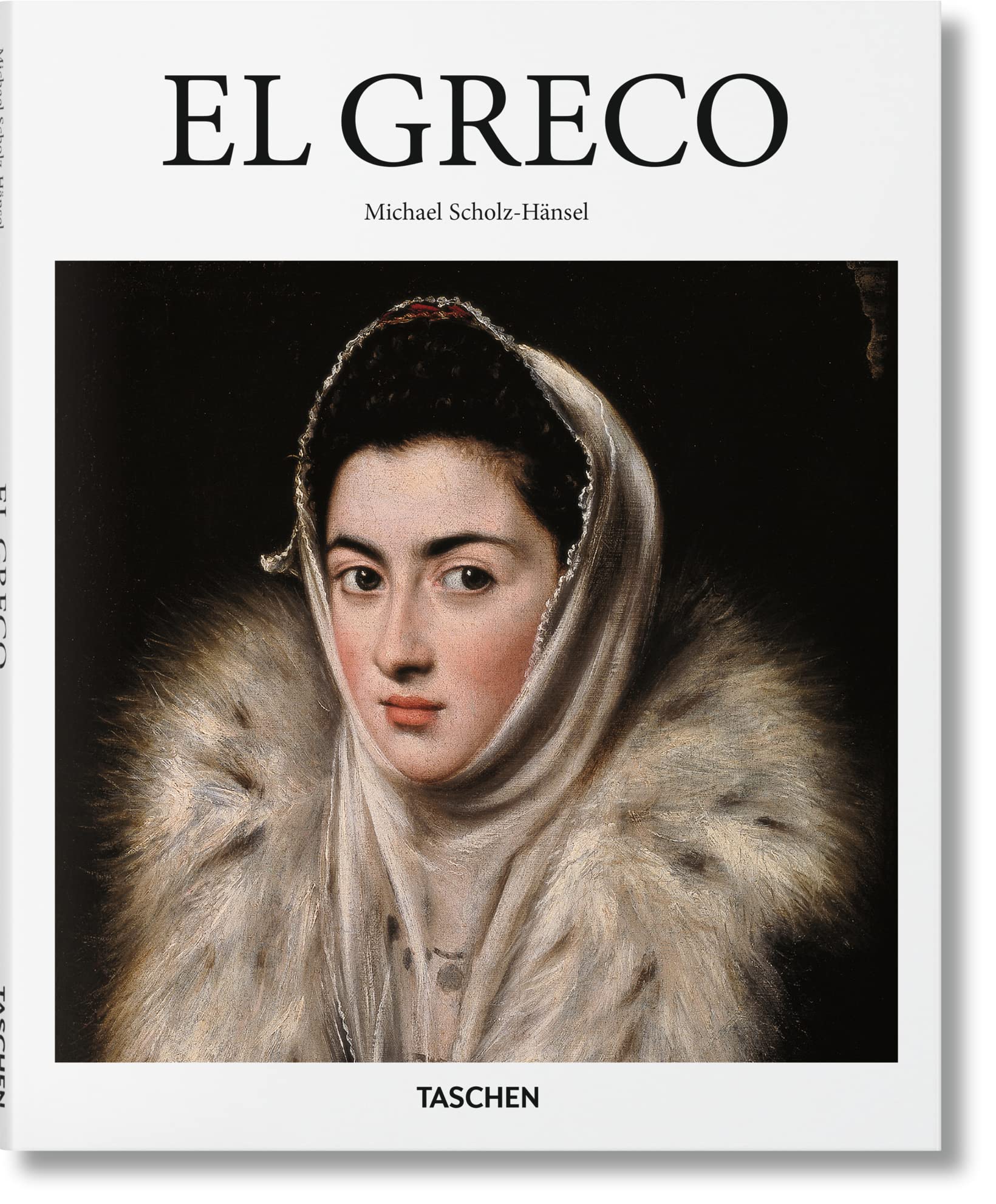
To his contemporaries in late 16thcentury Venice, El Greco (15411614) was a contrary fellow, an innate artist blessed with extraordinary talent, but stubborn in the pursuit of his own path. Throughout his career, as he progressed from Crete to Venice, to Rome and ultimately Toledo, Spain, The Greek stood apart from his peers, merging different Western art traditions to create a unique pictorial language.El Grecos singleminded style rejected naturalism and rejected accessibility. Works such as The Disrobing of Christ (157779), The Burial of the Count of Orgaz (158688), and The Vision of St John (160814) reveal elongated, twisted figures; unreal colors; and an experimental rendering of space all resistant to easy viewing and intent, instead, on an art of epic grandeur and intellectual beauty.Frequently regarded with suspicion and criticism during his lifetime, El Greco was revived by a troop of ardent modern admirers, including Pablo Picasso, Roger Fry, and Der Blaue Reiter pioneer Franz Marc. Today, the artist belongs to the privileged group of great old master painters, as much an anomaly of his age, as a reference point across the centuries.This essential introduction from TASCHEN Basic Art 2.0 explores the influences and the ingredients of El Grecos radical and singular vision, from the symbolic world of Byzantine icons and the humanistic values of the Renaissance to the nascent beginnings of conceptual practice.
⚠️ WARNING (California Proposition 65):
This product may contain chemicals known to the State of California to cause cancer,
birth defects, or other reproductive harm.
For MAP (Minimum Advertised Price) violations and Intellectual Property (IP) or Trademark concerns, please contact:
support@ergodebooks.com
⚠️ California Proposition 65 Warning: Some products sold on this website may expose you to chemicals known to the State of California to cause cancer, birth defects, or other reproductive harm. For more information, visit www.P65Warnings.ca.gov.