
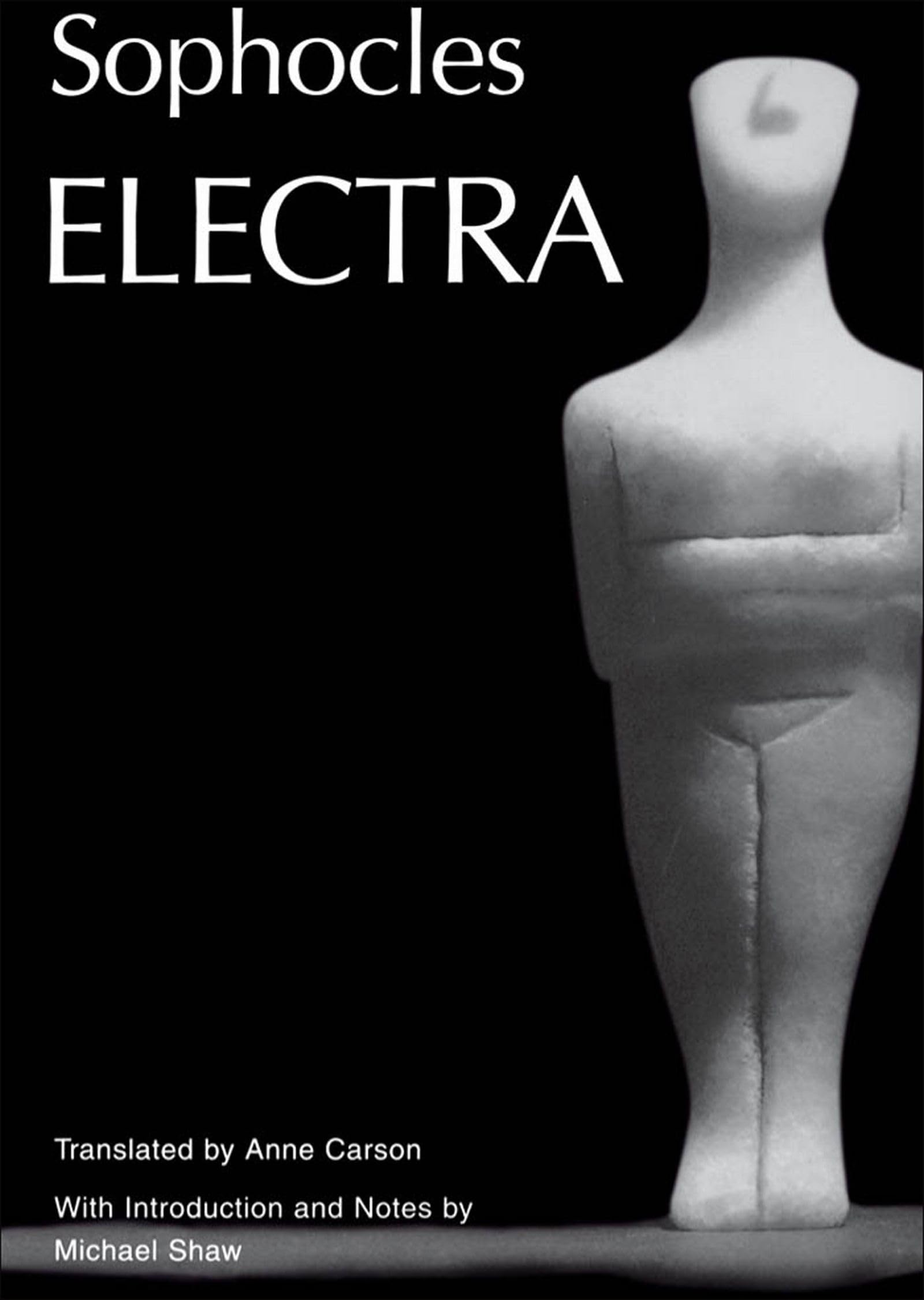
Title
Electra (Greek Tragedy in New Translations),Used
Sold by Ergodebooks, an authorized reseller.
Returns accepted within 30 days | support@ergodebooks.com
Shipping Information
- Free Standard Shipping — United States only
- Processing Time: 3–5 business days
- Estimated Delivery: 6–10 business days after dispatch
- Double-boxed, fully insured & discreetly packaged
- Tracking number sent via email once dispatched
Returns & Refund
Returns accepted within 30 days of delivery.
Damaged or Defective Item
Free return shipping + replacement or full refund
Wrong Item Received
Free return shipping + replacement or full refund
Change of Mind
Return shipping at customer's expense · 25% restocking fee applies
Payment Option

Based on the conviction that only translators who write poetry themselves can properly recreate the celebrated and timeless tragedies of Aeschylus, Sophocles, and Euripides, the Greek Tragedy in New Translations series offers new translations that go beyond the literal meaning of the Greek in order to evoke the poetry of the originals. Under the general editorship of Peter Burian and Alan Shapiro, each volume includes a critical introduction, commentary on the text, full stage directions, and a glossary of the mythical and geographical references in the play.Although it has been at times overshadowed by his more famous Oedipus Tyrannus and Antigone, Sophocles' Electra is remarkable for its extreme emotions and taut drama.Electra recounts the murders of Clytemnestra and Aegisthus by Clytemnestra's son Orestes, to avenge their murder of his father Agamemnon, commander of the Greeks at Troy, upon his return home. Sophocles' version is presented from the viewpoint of Electra, Orestes' sister, who laments her father, bears witness to her mother's crime, and for years endures her mother's scorn. Despite her overwhelming passion for just revenge, Electra admits that her own actions are shameful. When Orestes arrives at last, her mood shifts from grief to joy, as Orestes carries out the bloody vengeance.Sophocles presents this story as a savage though necessary act of vengeance, vividly depicting Electra's grief, anger, and exultation. This translation equals the original in ferocity of expression, and leaves intact the inarticulate cries of suffering and joy that fill the play.
⚠️ WARNING (California Proposition 65):
This product may contain chemicals known to the State of California to cause cancer, birth defects, or other reproductive harm.
For more information, please visit www.P65Warnings.ca.gov.
- Q: What is the main theme of Sophocles' Electra? A: The main theme of Sophocles' Electra revolves around revenge and the extreme emotions associated with familial duty. The play explores Electra's deep grief for her father Agamemnon and her desire for vengeance against her mother Clytemnestra and her mother's lover Aegisthus.
- Q: How does this translation of Electra differ from others? A: This translation of Electra aims to capture the poetic essence of the original Greek text, going beyond a literal translation to evoke the emotional intensity and dramatic nuances of Sophocles' work.
- Q: Who are the main characters in Electra? A: The main characters in Electra include Electra, the daughter of Agamemnon; Orestes, her brother; Clytemnestra, their mother; and Aegisthus, Clytemnestra's lover.
- Q: What is the significance of Electra's character? A: Electra's character is significant as she embodies the themes of loyalty, grief, and the struggle for justice. Her intense emotions drive the narrative and highlight the personal cost of revenge.
- Q: What can readers expect in terms of additional content in this edition? A: Readers can expect a critical introduction, commentary on the text, full stage directions, and a glossary of mythical and geographical references, which provide valuable context and insight into the play.
- Q: Is this edition suitable for students studying Greek tragedies? A: Yes, this edition is suitable for students as it includes comprehensive commentary and analysis that can enhance understanding of the themes, characters, and historical context of the play.
- Q: How many pages does this book have? A: This edition of Electra has a total of 144 pages.
- Q: What type of binding does this book have? A: This book is bound in paperback, making it a lightweight and portable option for readers.
- Q: When was this edition of Electra published? A: This edition of Electra was published on April 19, 2001.
- Q: Who are the editors of the Greek Tragedy in New Translations series? A: The series is edited by Peter Burian and Alan Shapiro, who oversee the translations to ensure they maintain the poetic quality of the original works.