
Title
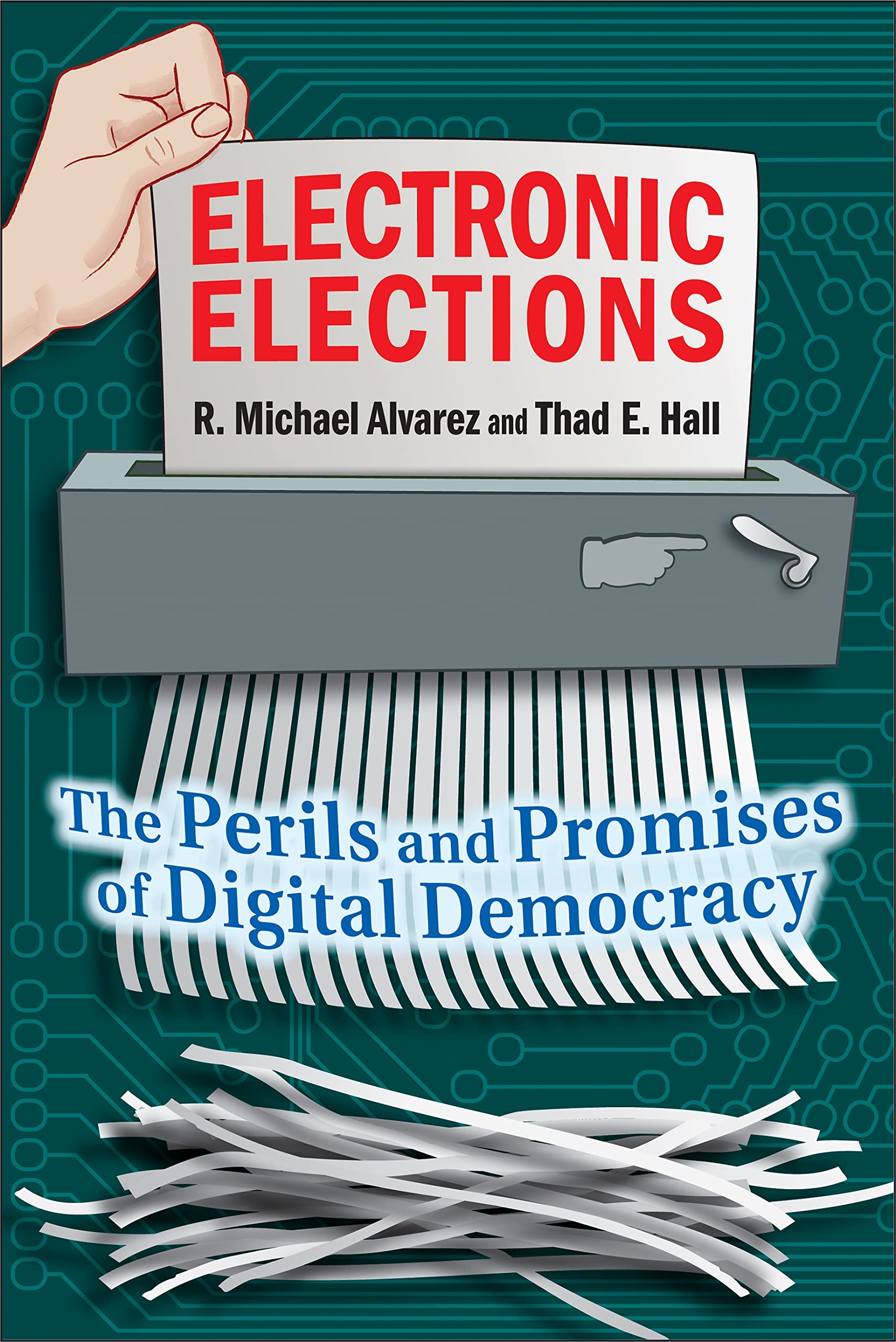
Electronic Elections: The Perils and Promises of Digital Democracy,Used
Sold by Ergodebooks, an authorized reseller.
Returns accepted within 30 days | support@ergodebooks.com
Shipping Information
- Free Standard Shipping — United States only
- Processing Time: 3–5 business days
- Estimated Delivery: 6–10 business days after dispatch
- Double-boxed, fully insured & discreetly packaged
- Tracking number sent via email once dispatched
Returns & Refund
Returns accepted within 30 days of delivery.
Damaged or Defective Item
Free return shipping + replacement or full refund
Wrong Item Received
Free return shipping + replacement or full refund
Change of Mind
Return shipping at customer's expense · 25% restocking fee applies
Payment Option

Since the 2000 presidential election, the United States has been embroiled in debates about electronic voting. Critics say the new technologies invite tampering and fraud. Advocates say they enhance the accuracy of vote counts and make casting ballots easierand ultimately foster greater political participation. Electronic Elections cuts through the media spin to assess the advantages and risks associated with different ways of casting ballotsand shows how evoting can be the future of American democracy.Elections by nature are fraught with risk. Michael Alvarez and Thad Hall fully examine the range of past methods and the new technologies that have been created to try to minimize risk and accurately reflect the will of voters. Drawing upon a wealth of new data on how different kinds of electronic voting machines have performed in recent elections nationwide, they evaluate the security issues that have been the subject of so much media attention, and examine the impacts the new computerbased solutions is having on voter participation. Alvarez and Hall explain why the benefits of evoting can outweigh the challenges, and they argue that media coverage of the new technologies has emphasized their problems while virtually ignoring their enormous potential for empowering more citizens to vote. The authors also offer ways to improve voting technologies and to develop more effective means of implementing and evaluating these systems.Electronic Elections makes a case for how evoting can work in the United States, showing why making it work right is essential to the future vibrancy of the democratic process.
⚠️ WARNING (California Proposition 65):
This product may contain chemicals known to the State of California to cause cancer, birth defects, or other reproductive harm.
For more information, please visit www.P65Warnings.ca.gov.