
Title
Eliot Noyes
Sold by Ergodebooks, an authorized reseller.
Returns accepted within 30 days | support@ergodebooks.com
Shipping Information
- Free Standard Shipping — United States only
- Processing Time: 3–5 business days
- Estimated Delivery: 6–10 business days after dispatch
- Double-boxed, fully insured & discreetly packaged
- Tracking number sent via email once dispatched
Returns & Refund
Returns accepted within 30 days of delivery.
Damaged or Defective Item
Free return shipping + replacement or full refund
Wrong Item Received
Free return shipping + replacement or full refund
Change of Mind
Return shipping at customer's expense · 25% restocking fee applies
Payment Option

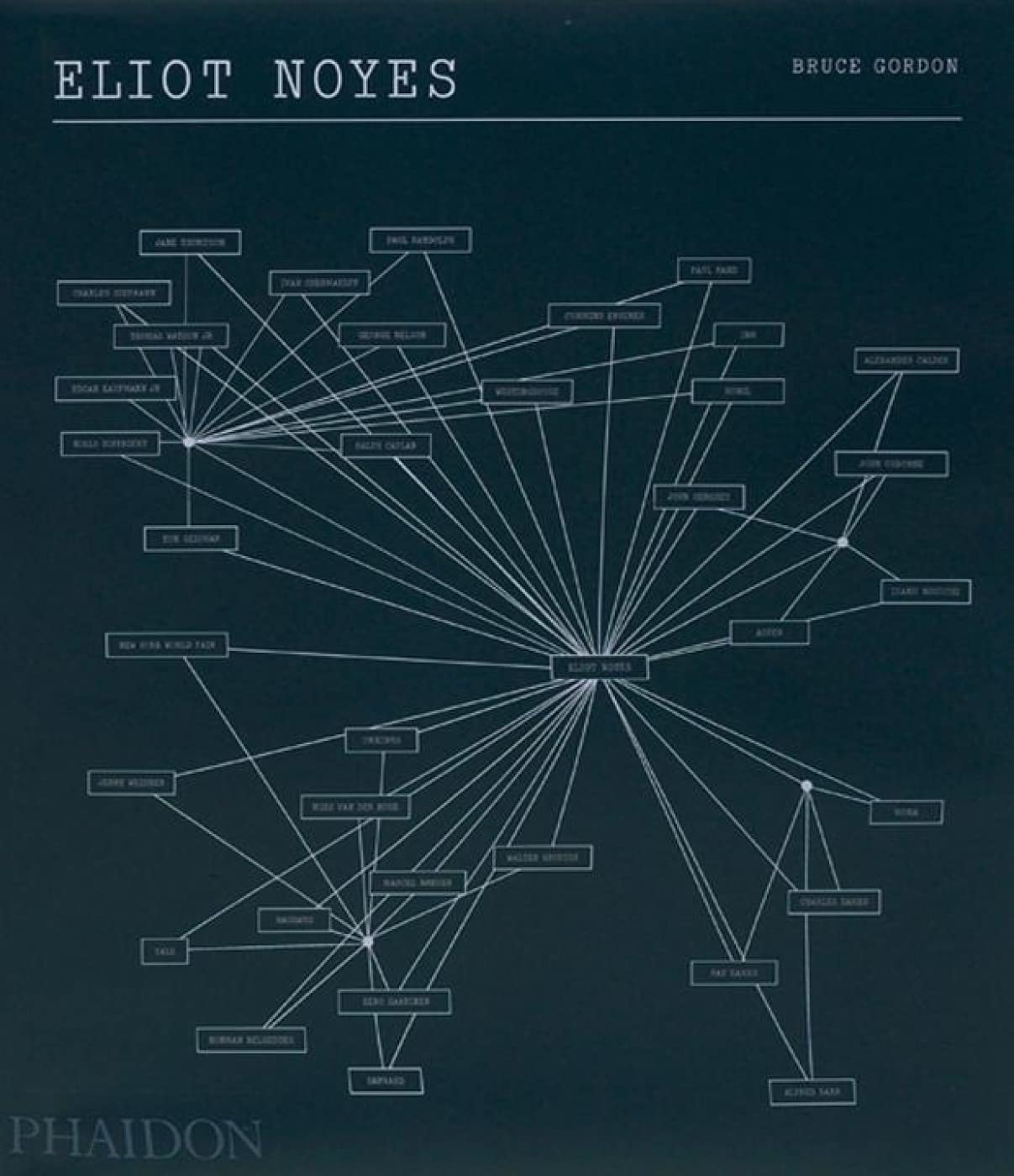
This Is The First Publication About Eliot Noyes (191077), An Important Figure In Twentiethcentury Design In America. His Influential And Successful Career Stretched From His Position As The First Director Of Industrial Design At Moma In The 1940S To Consulting Director Of Design For Key Businesses Such As Ibm, Mobil Oil And Westinghouse. This Book Traces Noyes Life And Pioneering Career, Emphasizing His Work For The Corporate Industries, To Which He Introduced Key Designers, Artists And Architects Such As Paul Rand, Alexander Calder And Marcel Breuer, As Well As His Architectural Projects And Lectures. The Focus Is On The Ideas He Eschewed Throughout His Life And The Influence He Exerted On The Design World
⚠️ WARNING (California Proposition 65):
This product may contain chemicals known to the State of California to cause cancer, birth defects, or other reproductive harm.
For more information, please visit www.P65Warnings.ca.gov.
- Q: What are the dimensions of the book? A: The book measures ten point twenty-five inches in length, one point twenty-six inches in width, and eleven point seventy-five inches in height.
- Q: How many pages does this book have? A: This book contains two hundred forty pages, providing a comprehensive look at Eliot Noyes' life and career.
- Q: What type of binding does this book have? A: This book is bound in hardcover, offering durability and a classic presentation.
- Q: Who is the author of this book? A: The author of this book is Gordon Bruce, who explores the life and achievements of Eliot Noyes.
- Q: What is the primary subject matter of the book? A: The book focuses on architecture and design, highlighting Eliot Noyes' influence in these fields.
- Q: How do I read this book? A: You can read this book by simply opening it and turning the pages, as it is designed for casual reading.
- Q: Is this book suitable for beginners in design? A: Yes, this book is suitable for beginners, as it provides an accessible overview of Eliot Noyes' contributions to design.
- Q: Can this book be used for academic purposes? A: Yes, this book can be used for academic purposes, especially in studies related to design and architecture.
- Q: How should I store this book? A: You should store this book upright on a shelf, away from direct sunlight and moisture to maintain its condition.
- Q: What is the best way to clean this book? A: To clean this book, gently wipe the cover with a soft, dry cloth to remove dust.
- Q: Is this book safe for children? A: Yes, this book is safe for children, but it is more suitable for older kids who are interested in design.
- Q: What if the book arrives damaged? A: If the book arrives damaged, you should contact the seller's customer service for assistance with a return or exchange.
- Q: Does this book include illustrations? A: Yes, the book includes three hundred fifty color and black-and-white photographs to complement the text.
- Q: What makes this book unique? A: This book is unique because it is the first comprehensive publication about Eliot Noyes, an influential figure in design.
- Q: Is there any information about the designers Noyes worked with? A: Yes, the book discusses key designers, artists, and architects that Noyes collaborated with, such as Paul Rand and Alexander Calder.
- Q: Can I find this book in libraries? A: Yes, this book is likely available in libraries, especially those with strong design or architecture collections.