
Title
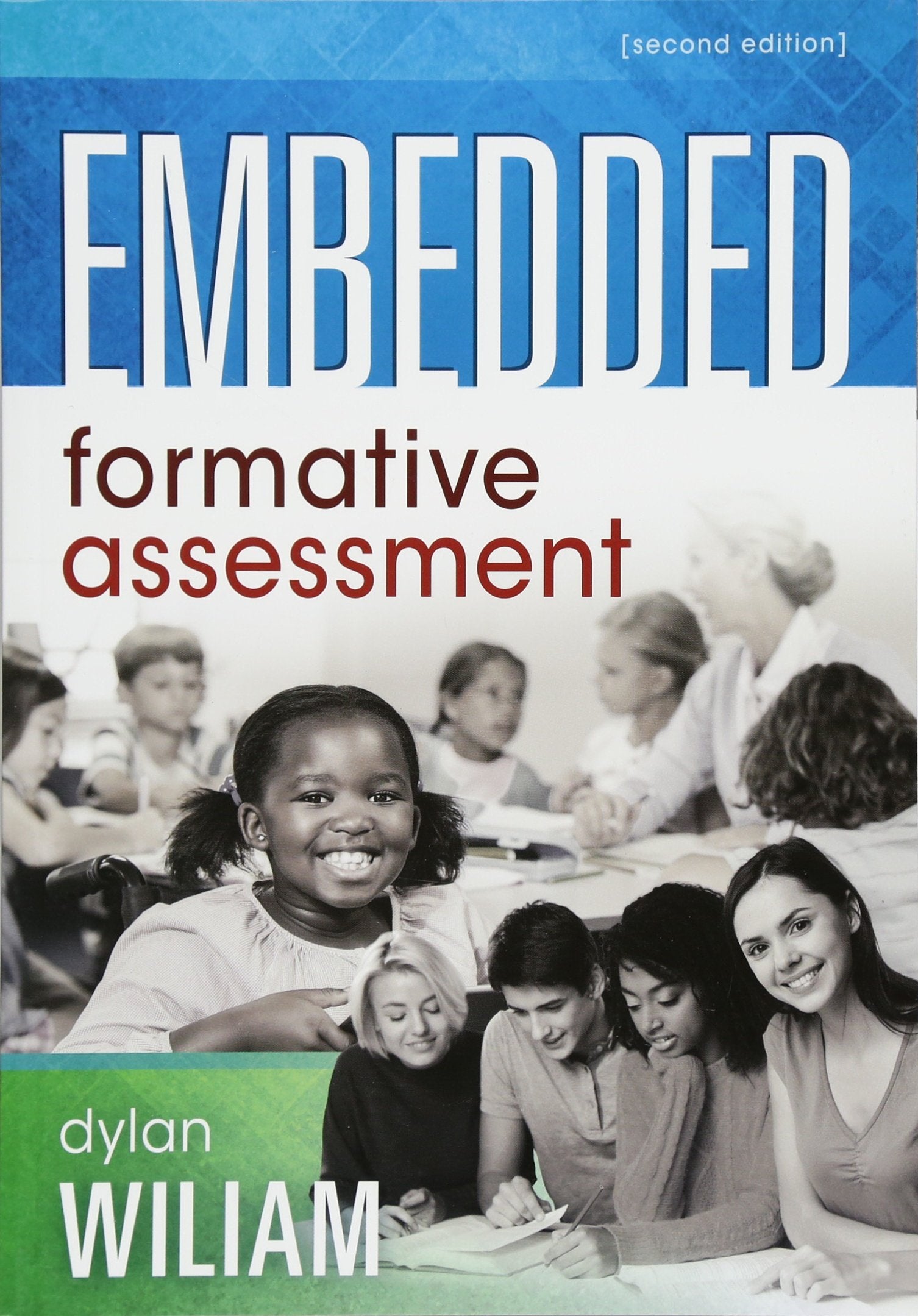
Embedded Formative Assessment (Strategies for Classroom Formative Assessment That Drives Student Engagement and Learning) (New A,New
Sold by Ergodebooks, an authorized reseller.
Returns accepted within 30 days | support@ergodebooks.com
Shipping Information
- Free Standard Shipping — United States only
- Processing Time: 3–5 business days
- Estimated Delivery: 6–10 business days after dispatch
- Double-boxed, fully insured & discreetly packaged
- Tracking number sent via email once dispatched
Returns & Refund
Returns accepted within 30 days of delivery.
Damaged or Defective Item
Free return shipping + replacement or full refund
Wrong Item Received
Free return shipping + replacement or full refund
Change of Mind
Return shipping at customer's expense · 25% restocking fee applies
Payment Option

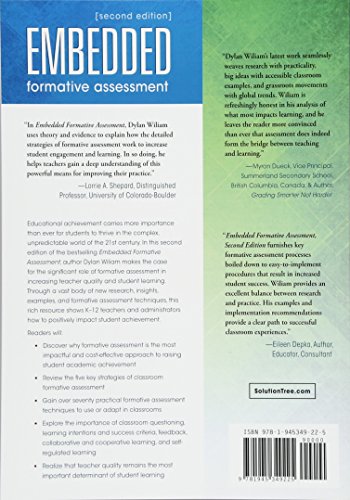
By integrating classroom formative assessment practices into daily activities, educators can substantially increase student engagement and the rate of student learning. The second edition of this bestselling book by Dylan Wiliam presents new research, insights, and formative assessment strategies teachers can immediately apply in their classrooms. Updated examples and templates are included to help teachers elicit evidence of learning, provide meaningful feedback, and empower students to take ownership of their education.Implement effective assessment strategies in the classroom by: Reviewing the five key strategies of formative assessment in the classroom. Learning more than 50 practical techniques for classroom formative assessment. Examining research that states classroom formative assessment is the most impactful and costeffective approach to raising student academic achievement. Exploring the use of classroom questioning, learning intentions and success criteria, feedback, collaborative and cooperative learning, and selfregulated learning to engineer effective learning environments. Discovering new insights into the current states of education and employment, and a discussion of how these changes affect student performance and teacher practice.Changes for the Second Edition: Over 30 percent new content including new research, techniques, examples, and templates New insights into the current state of education and how these changes affect student performance and teacher practice A deeper discussion of educational neuroscience, including memory studies and dualpathway theoryContents:Chapter 1: Discovering Why Educational Achievement MattersChapter 2: Making the Case for Formative AssessmentChapter 3: Clarifying, Sharing, and Understanding Learning Intentions and Success CriteriaChapter 4: Eliciting Evidence of Learners' AchievementChapter 5: Providing Feedback That Moves Learning ForwardChapter 6: Activating Students as Instructional Resources for One AnotherChapter 7: Activating Students as Owners of Their Own Learning
⚠️ WARNING (California Proposition 65):
This product may contain chemicals known to the State of California to cause cancer, birth defects, or other reproductive harm.
For more information, please visit www.P65Warnings.ca.gov.
- Q: What is the main focus of 'Embedded Formative Assessment' by Dylan Wiliam? A: The book focuses on integrating formative assessment practices into daily classroom activities to enhance student engagement and learning.
- Q: How many pages does the book contain? A: The book has 240 pages.
- Q: What edition of the book is currently available? A: The currently available edition is the second edition.
- Q: When was 'Embedded Formative Assessment' published? A: The book was published on October 20, 2017.
- Q: What new content is included in the second edition? A: The second edition features over 30 percent new content, including updated research, techniques, examples, and templates.
- Q: Who is the author of the book? A: The author of 'Embedded Formative Assessment' is Dylan Wiliam.
- Q: What are some key strategies discussed in the book? A: Key strategies include clarifying learning intentions, eliciting evidence of learning, providing meaningful feedback, and fostering student ownership of learning.
- Q: Is this book suitable for all educators? A: Yes, the book is suitable for educators at various levels looking to implement effective formative assessment strategies in their classrooms.
- Q: What subjects does the book cover? A: The book covers a range of subjects related to classroom assessment, including educational neuroscience and its impact on teaching practices.
- Q: Can the techniques from this book be applied immediately? A: Yes, the book provides practical techniques that educators can apply immediately in their classrooms to enhance learning outcomes.