
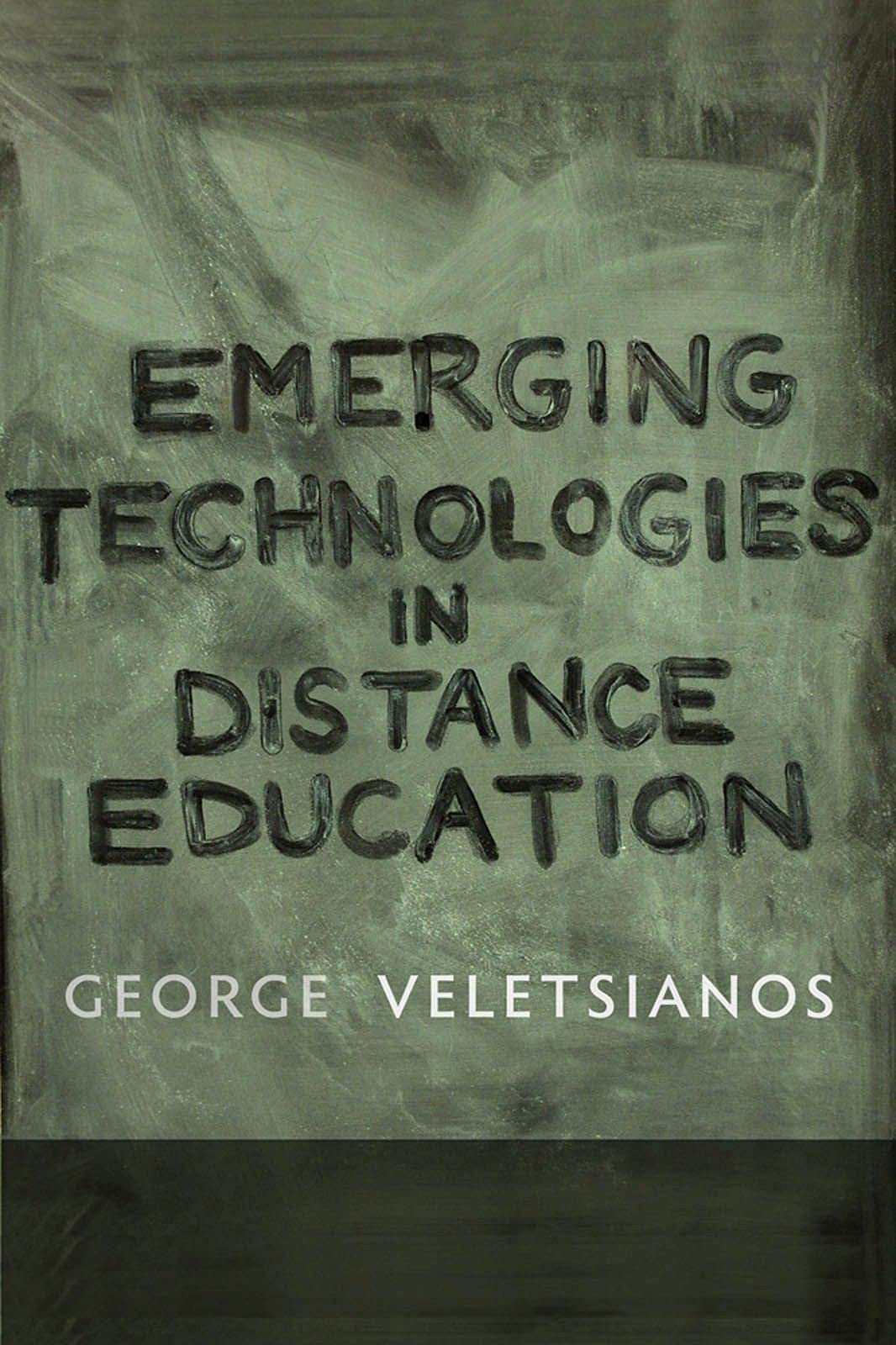
Title

Emerging Technologies In Distance Education (Issues In Distance Education)
Sold by Ergodebooks, an authorized reseller.
Returns accepted within 30 days | support@ergodebooks.com
Shipping Information
- Free Standard Shipping — United States only
- Processing Time: 3–5 business days
- Estimated Delivery: 6–10 business days after dispatch
- Double-boxed, fully insured & discreetly packaged
- Tracking number sent via email once dispatched
Returns & Refund
Returns accepted within 30 days of delivery.
Damaged or Defective Item
Free return shipping + replacement or full refund
Wrong Item Received
Free return shipping + replacement or full refund
Change of Mind
Return shipping at customer's expense · 25% restocking fee applies
Payment Option

This Widely Anticipated Book Harnesses The Dispersed Knowledge Of International Experts Who Highlight Pedagogical, Organizational, Cultural, Social, And Economic Factors That Influence The Adoption And Integration Of Emerging Technologies In Distance Education. The Volume Provides Expert Advice On How Educators Can Launch Effective And Engaging Distance Education Initiatives In Response To Technological Advancements, Changing Mindsets, And Economic And Organizational Pressures. Emerging Technologies In Distance Education Goes Beyond The Hype Surrounding Web 2.0 Technologies And Confronts The Important Issues That Researchers And Educators Need To Consider To Enhance Educational Practice.
⚠️ WARNING (California Proposition 65):
This product may contain chemicals known to the State of California to cause cancer, birth defects, or other reproductive harm.
For more information, please visit www.P65Warnings.ca.gov.
- Q: How many pages does this book have? A: This book has three hundred fifty pages. It provides comprehensive insights into emerging technologies in distance education.
- Q: What binding type is used for this book? A: This book is available in paperback binding. This makes it flexible and easy to handle for reading.
- Q: What are the dimensions of the book? A: The book measures six inches in length, zero point eight inches in width, and eight point nine inches in height. These dimensions make it a convenient size for reading.
- Q: Who is the author of this book? A: The author of this book is George Veletsianos. He is recognized for his contributions to the field of distance education.
- Q: What is the main focus of this book? A: The main focus of this book is on the adoption of emerging technologies in distance education. It discusses various factors influencing this integration.
- Q: Is this book suitable for educators? A: Yes, this book is suitable for educators. It offers expert advice on launching effective distance education initiatives.
- Q: How can I utilize the advice in this book? A: You can utilize the advice by implementing the strategies in your educational practices. The book provides insights tailored for educators responding to technological changes.
- Q: Is this book appropriate for beginners in distance education? A: Yes, this book is appropriate for beginners. It covers foundational issues related to distance education and emerging technologies.
- Q: Can I use this book for research purposes? A: Yes, you can use this book for research purposes. It compiles knowledge from international experts and addresses critical issues in distance education.
- Q: What should I do to keep this book in good condition? A: To keep this book in good condition, store it in a dry place and avoid exposing it to direct sunlight. Proper handling will also preserve its quality.
- Q: Is this book safe for children? A: Yes, this book is generally safe for children. However, it is aimed at educators and might be more suitable for older students.
- Q: What are the care instructions for this book? A: Care instructions include keeping it away from moisture and handling it gently. Avoid bending the cover to maintain its shape.
- Q: What if the book arrives damaged? A: If the book arrives damaged, you should contact the seller for a return or replacement. Most sellers have policies in place for such issues.
- Q: Is there a warranty for this book? A: No, there is generally no warranty for books. However, you can check the return policy of the seller for further assistance.
- Q: How can I contact customer support for this book? A: You can contact customer support through the seller’s website or platform where you purchased the book. They typically provide contact information for assistance.
- Q: Does this book discuss the impact of economic factors on education? A: Yes, this book discusses economic factors influencing the adoption of technologies in distance education. It examines how these factors affect educational practices.