

Title
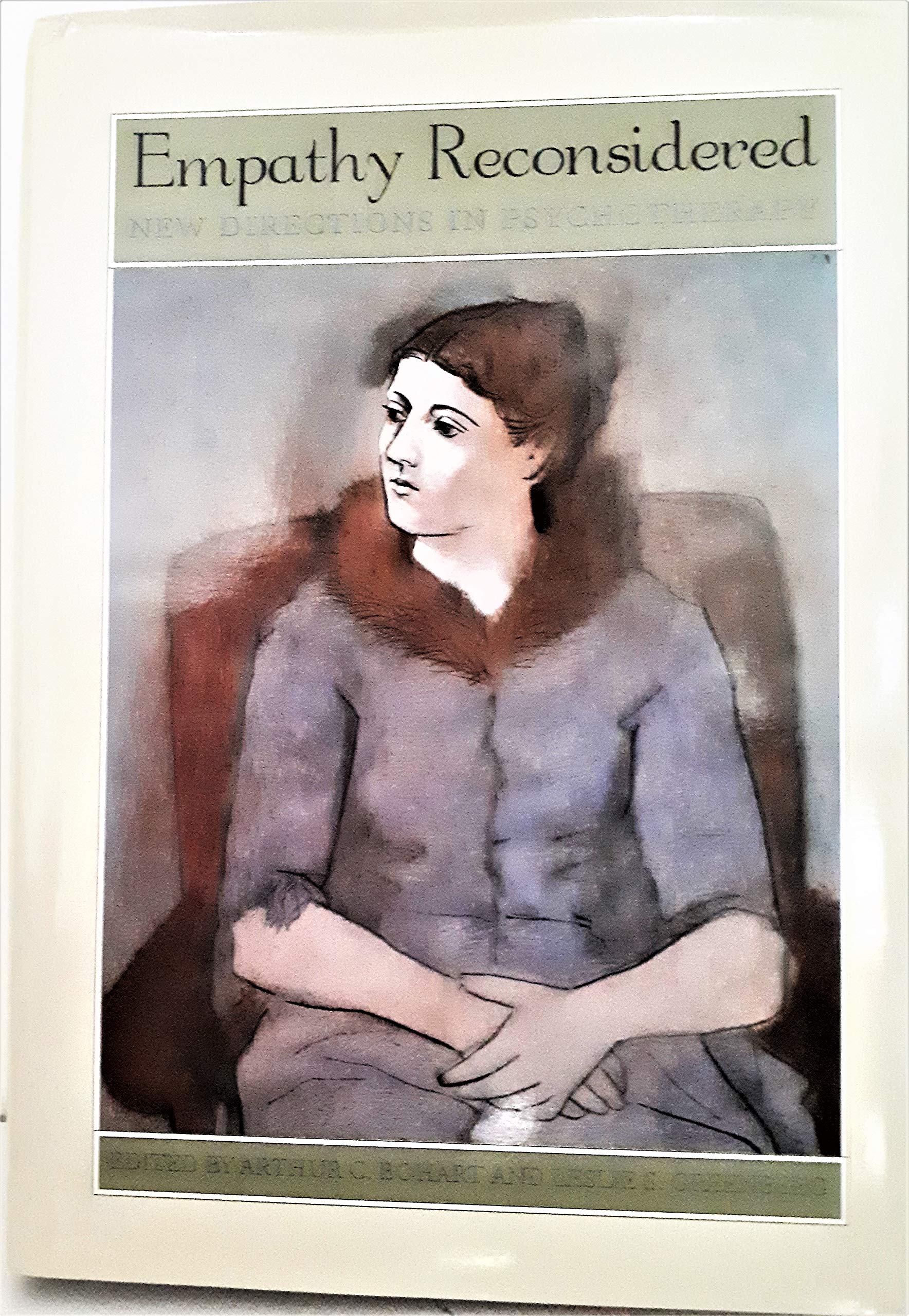
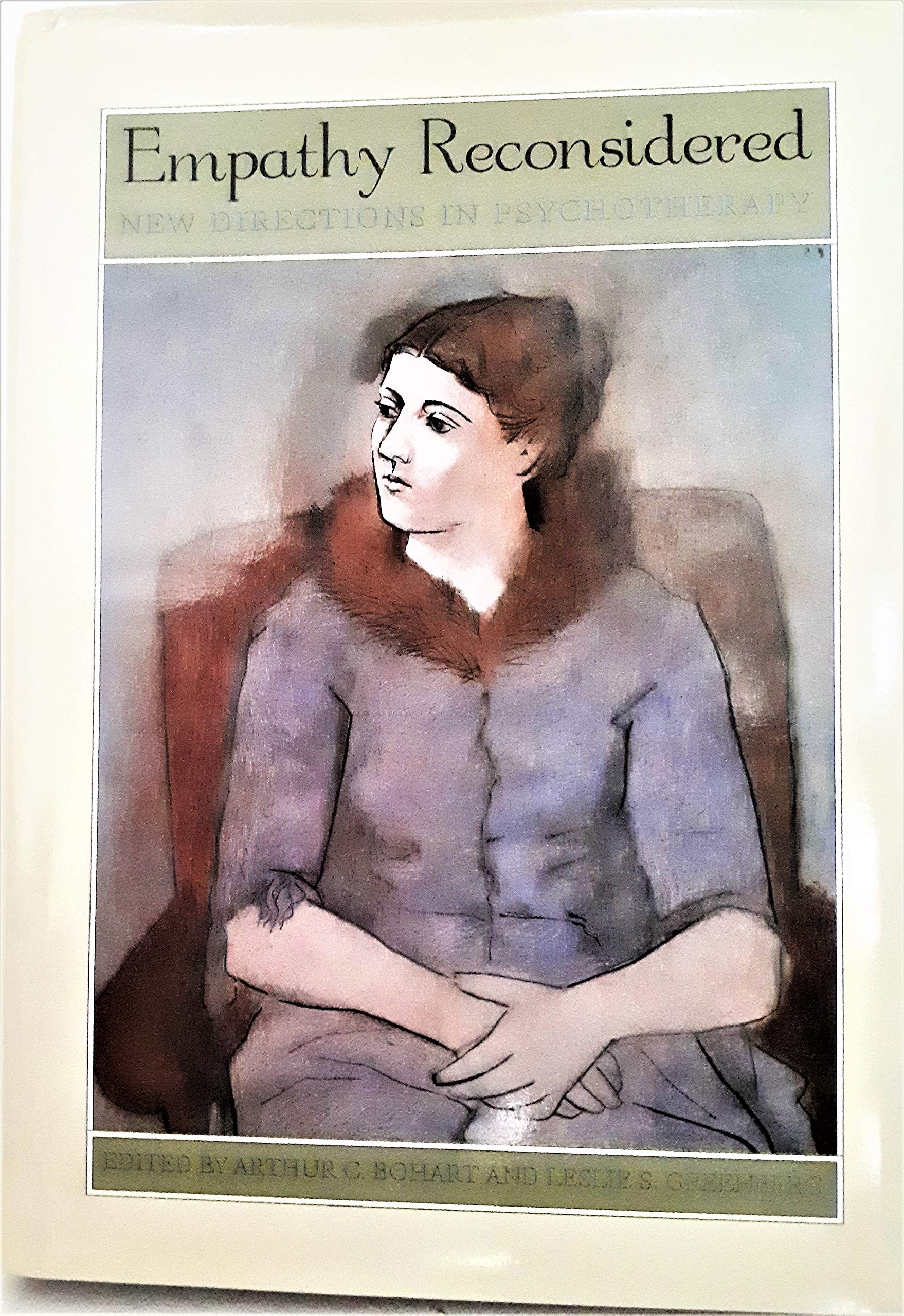

Empathy Reconsidered: New Directions in Psychotherapy,Used
Sold by Ergodebooks, an authorized reseller.
Returns accepted within 30 days | support@ergodebooks.com
Shipping Information
- Free Standard Shipping — United States only
- Processing Time: 3–5 business days
- Estimated Delivery: 6–10 business days after dispatch
- Double-boxed, fully insured & discreetly packaged
- Tracking number sent via email once dispatched
Returns & Refund
Returns accepted within 30 days of delivery.
Damaged or Defective Item
Free return shipping + replacement or full refund
Wrong Item Received
Free return shipping + replacement or full refund
Change of Mind
Return shipping at customer's expense · 25% restocking fee applies
Payment Option

Book covering the role of empathy in psychotherapy. For clinicians, theoreticians, and researchers. 19 contributors, 16 U.S.
⚠️ WARNING (California Proposition 65):
This product may contain chemicals known to the State of California to cause cancer, birth defects, or other reproductive harm.
For more information, please visit www.P65Warnings.ca.gov.
- Q: What is the page count of the book? A: The book contains four hundred seventy-seven pages. This comprehensive coverage of empathy in psychotherapy makes it a substantial read for professionals.
- Q: What are the dimensions of this book? A: The book measures seven point five two inches in length, one point two six inches in width, and ten point five one inches in height. These dimensions make it a suitable size for both reading and shelf storage.
- Q: What type of binding does the book have? A: The book is hardcover bound. This binding type provides durability and a professional appearance, ideal for academic use.
- Q: Who is the author of the book? A: The book is authored by Arthur C. Bohart. His expertise in psychotherapy is reflected in the book's content and insights.
- Q: What category does this book fall under? A: This book is categorized under Mental Health. It is specifically focused on the role of empathy in the therapeutic process.
- Q: What topics does the book cover? A: The book explores the role of empathy in psychotherapy through contributions from nineteen authors. It addresses both theoretical and practical aspects for clinicians and researchers.
- Q: Is this book suitable for beginners in psychotherapy? A: Yes, the book is suitable for both beginners and experienced professionals. It provides foundational concepts as well as advanced discussions on empathy.
- Q: How can I apply the concepts from the book? A: You can apply the concepts by integrating empathy techniques into your therapeutic practice. The book offers practical insights applicable to various clinical situations.
- Q: What audience is this book intended for? A: The book is intended for clinicians, theoreticians, and researchers in the field of psychotherapy. It serves as a valuable resource for those studying mental health.
- Q: How should I store this book? A: Store the book upright on a shelf to maintain its shape and binding. Avoid exposing it to excessive moisture or direct sunlight to preserve its condition.
- Q: Can this book be used as a textbook? A: Yes, it can be used as a textbook. The thorough exploration of empathy in psychotherapy makes it suitable for academic settings.
- Q: Is there any special care needed for this hardcover book? A: No special care is needed beyond standard book care. Keep it clean and handle it with care to prevent damage.
- Q: What should I do if the book arrives damaged? A: If the book arrives damaged, contact the seller for a return or replacement. Ensure you have your order details ready for a swift resolution.
- Q: Is there a warranty for this book? A: No, books typically do not come with a warranty. However, check with the retailer for their return policy regarding damaged items.
- Q: How do I find additional resources on the topics covered in the book? A: Look for academic journals and online databases focusing on psychotherapy. Many resources can provide further insights and research on empathy in therapy.