
Title
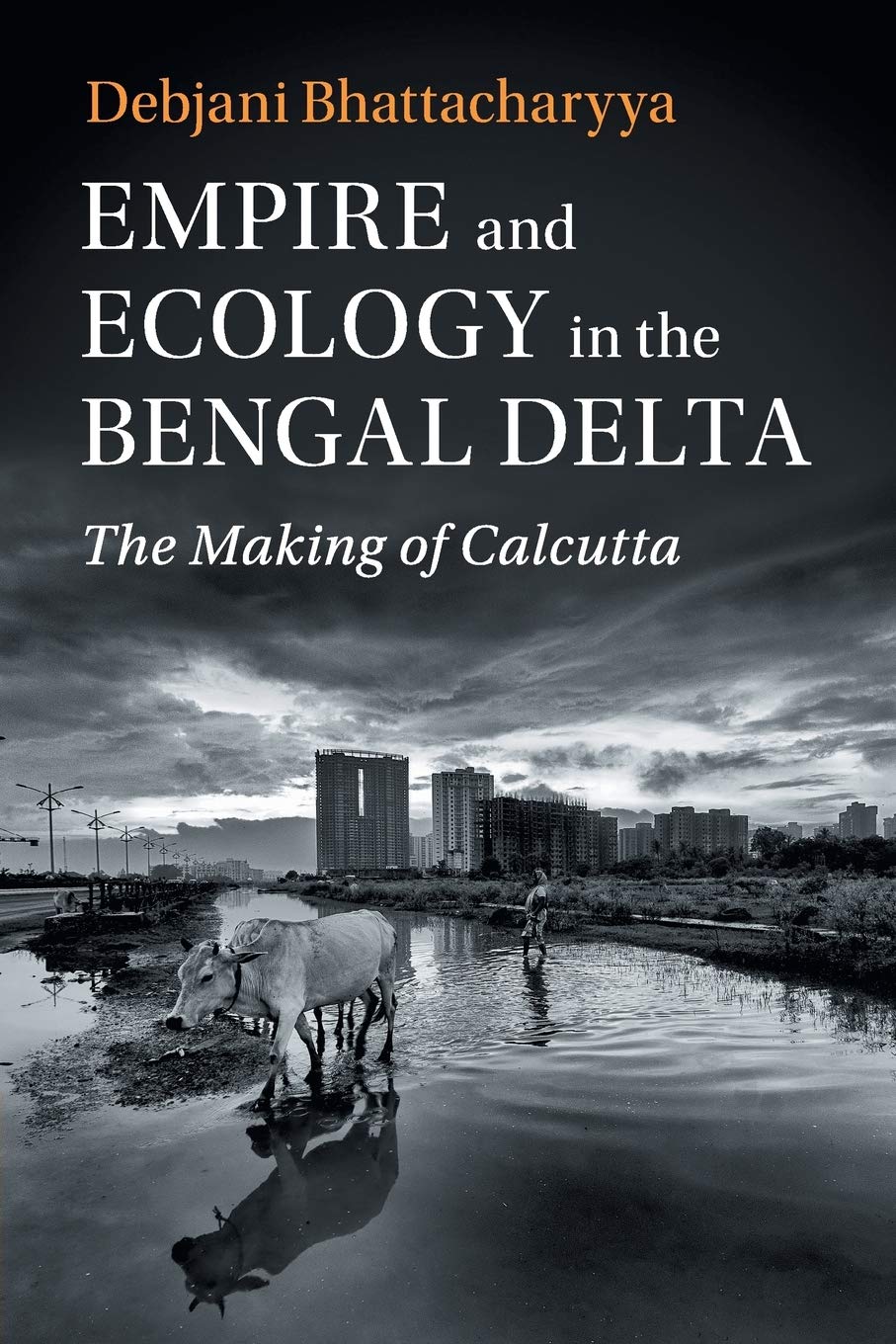
Empire And Ecology In The Bengal Delta: The Making Of Calcutta (Studies In Environment And History)
Sold by Ergodebooks, an authorized reseller.
Returns accepted within 30 days | support@ergodebooks.com
Shipping Information
- Free Standard Shipping — United States only
- Processing Time: 3–5 business days
- Estimated Delivery: 6–10 business days after dispatch
- Double-boxed, fully insured & discreetly packaged
- Tracking number sent via email once dispatched
Returns & Refund
Returns accepted within 30 days of delivery.
Damaged or Defective Item
Free return shipping + replacement or full refund
Wrong Item Received
Free return shipping + replacement or full refund
Change of Mind
Return shipping at customer's expense · 25% restocking fee applies
Payment Option

What Happens When A Distant Colonial Power Tries To Tame An Unfamiliar Terrain In The World'S Largest Tidal Delta? This History Of Dramatic Ecological Changes In The Bengal Delta From 1760 To 1920 Involves Land, Water And Humans, Tracing The Stories And Struggles That Link Them Together. Pushing Beyond Narratives Of Environmental Decline, Bhattacharyya Argues That 'Propertythinking', A Governing Tool Critical In Making Land And Water Discrete Categories Of Bureaucratic And Legal Management, Was At The Heart Of Colonial Urbanization And The Technologies Behind The Draining Of Calcutta. The Story Of Ecological Change Is Narrated Alongside Emergent Practices Of Land Speculation And Transformation In Colonial Law. Bhattacharyya Demonstrates How This History Continues To Shape Our Built Environments With Devastating Consequences, As Shown In The Bay Of Bengal'S Receding Coastline.
⚠️ WARNING (California Proposition 65):
This product may contain chemicals known to the State of California to cause cancer, birth defects, or other reproductive harm.
For more information, please visit www.P65Warnings.ca.gov.
- Q: What is the page count of this book? A: This book has two hundred fifty-seven pages. It provides an in-depth exploration of ecological changes in the Bengal Delta.
- Q: What are the dimensions of 'Empire and Ecology in the Bengal Delta'? A: The book measures six inches in length, zero point fifty-nine inches in width, and nine point zero two inches in height.
- Q: What type of binding does this book have? A: This book is available in paperback binding. This makes it lightweight and easy to handle.
- Q: Who is the author of this book? A: The author of this book is Debjani Bhattacharyya. She provides critical insights into colonial urbanization.
- Q: What is the main genre of this book? A: This book falls under the genre of environmental history. It explores the ecological impacts of colonialism.
- Q: How does this book relate to the Bengal Delta? A: This book examines the relationship between ecology and colonial power in the Bengal Delta. It covers the period from seventeen sixty to nineteen twenty.
- Q: Is this book suitable for casual reading? A: Yes, this book is suitable for casual reading. It presents complex historical narratives in an accessible manner.
- Q: Can this book be used for academic study? A: Yes, this book is ideal for academic study. It offers detailed analyses and historical context relevant to environmental studies.
- Q: What themes does this book explore? A: The book explores themes of ecological change, colonialism, and urbanization. It addresses the impact of 'property-thinking' on land and water.
- Q: Is this book appropriate for young adults? A: Yes, this book is appropriate for young adults. It provides valuable insights into historical and environmental issues.
- Q: How should I care for this paperback book? A: To care for this paperback book, keep it in a dry place and avoid exposure to direct sunlight. Handling it gently will prevent wear.
- Q: Does this book contain any sensitive content? A: No, the book does not contain explicit sensitive content. It focuses on historical and environmental analysis.
- Q: What if the book arrives damaged? A: If the book arrives damaged, you should contact the seller for a return or exchange. Most sellers have a return policy for such issues.
- Q: Is there a warranty on this book? A: No, typically books do not come with a warranty. However, check the return policy from your seller.
- Q: Where is this book published? A: This book is published by Cambridge University Press. They are known for their academic and scholarly publications.
- Q: What historical period does this book cover? A: The book covers the historical period from seventeen sixty to nineteen twenty. It examines significant ecological changes during this time.