
Title
Empire And The Sun: Victorian Solar Eclipse Expeditions,New
Sold by Ergodebooks, an authorized reseller.
Returns accepted within 30 days | support@ergodebooks.com
Shipping Information
- Free Standard Shipping — United States only
- Processing Time: 3–5 business days
- Estimated Delivery: 6–10 business days after dispatch
- Double-boxed, fully insured & discreetly packaged
- Tracking number sent via email once dispatched
Returns & Refund
Returns accepted within 30 days of delivery.
Damaged or Defective Item
Free return shipping + replacement or full refund
Wrong Item Received
Free return shipping + replacement or full refund
Change of Mind
Return shipping at customer's expense · 25% restocking fee applies
Payment Option

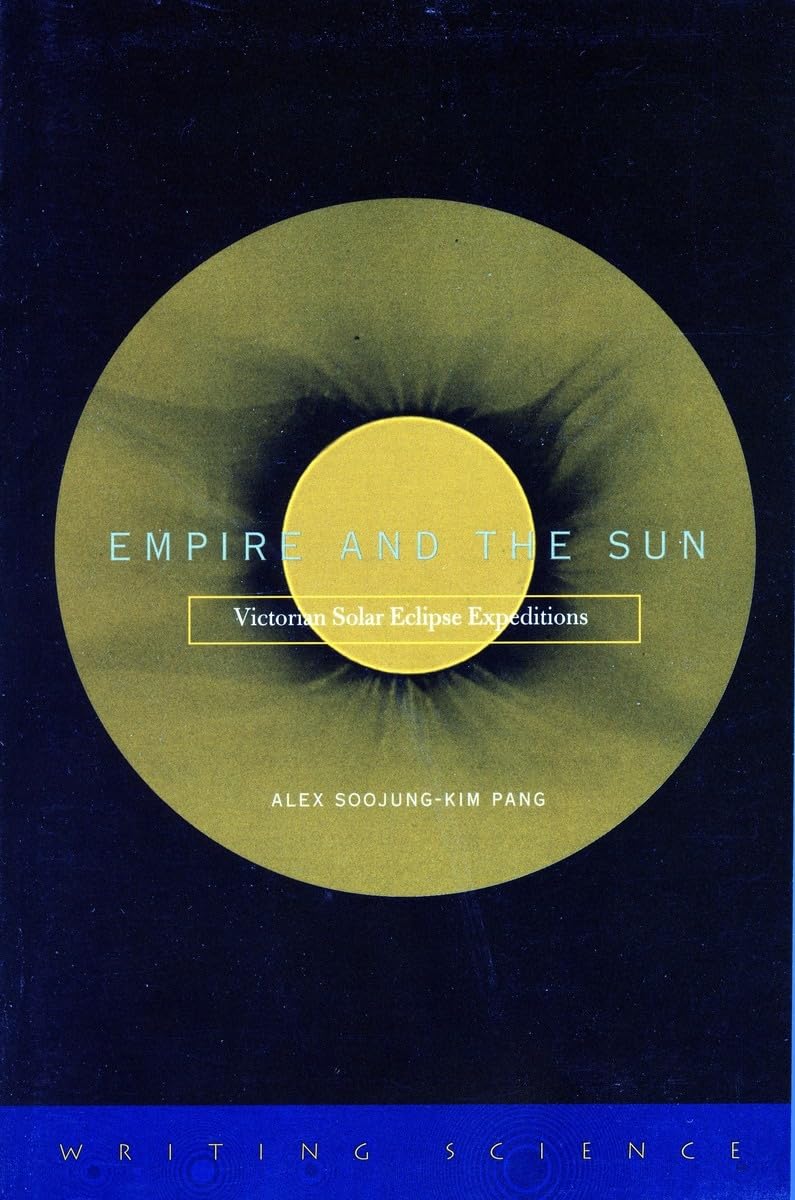
Astronomy was a popular and important part of Victorian science, and British astronomers carried telescopes and spectroscopes to remote areas of India, the Great Plains of North America, and islands in the Caribbean and Pacific to watch the sun eclipsed by the moon. Examining the rich interplay between science, culture, and British imperial society in the late nineteenth century, this book shows how the organization and conduct of scientific fieldwork was structured by contemporary politics and culture, and how rapid and profound changes in the organization of science, advances in photography, and new printing technology remade the character of scientific observation. After introducing the field of Victorian science to the nonspecialist, the book examines the long periods of planning necessary for eclipse expeditions, and it recounts the daytoday work of getting to field sites, setting up camp, and preparing for and observing eclipses. Operating behind the countless decisions made by scientists was a host of largescale forces, including the professionalization and specialization of disciplines, the growth of service, and public funding for the sciences. Fieldwork also required close coordination with the many institutions and technological systems of British imperialism. The development of imaging technologies was, of course, crucial to observations of the solar corona. Eclipse observation taxed astronomers and their cameras to their limits, and it raised new questions about the trustworthiness of imaging technologies. In the late nineteenth century, scientists shifted from drawing to photographing natural phenomena, but the shift occurred gradually, unevenly, and against resistance. Victorian astronomers had to weigh carefully the merits of human and mechanical observation, and the difficulties of solar photography highlight the inseparability of images from technologies of observation and printing.
⚠️ WARNING (California Proposition 65):
This product may contain chemicals known to the State of California to cause cancer, birth defects, or other reproductive harm.
For more information, please visit www.P65Warnings.ca.gov.