If you have any questions, you are always welcome to contact us. We'll get back to you as soon as possible, withing 24 hours on weekdays.
Customer service
All questions about your order, return and delivery must be sent to our customer service team by e-mail at yourstore@yourdomain.com
Sale & Press
If you are interested in selling our products, need more information about our brand or wish to make a collaboration, please contact us at press@yourdomain.com
Help
If you have any questions, you are always welcome to contact us. We'll get back to you as soon as possible, withing 24 hours on weekdays.
Customer service
All questions about your order, return and delivery must be sent to our customer service team by e-mail at yourstore@yourdomain.com
Sale & Press
If you are interested in selling our products, need more information about our brand or wish to make a collaboration, please contact us at press@yourdomain.com
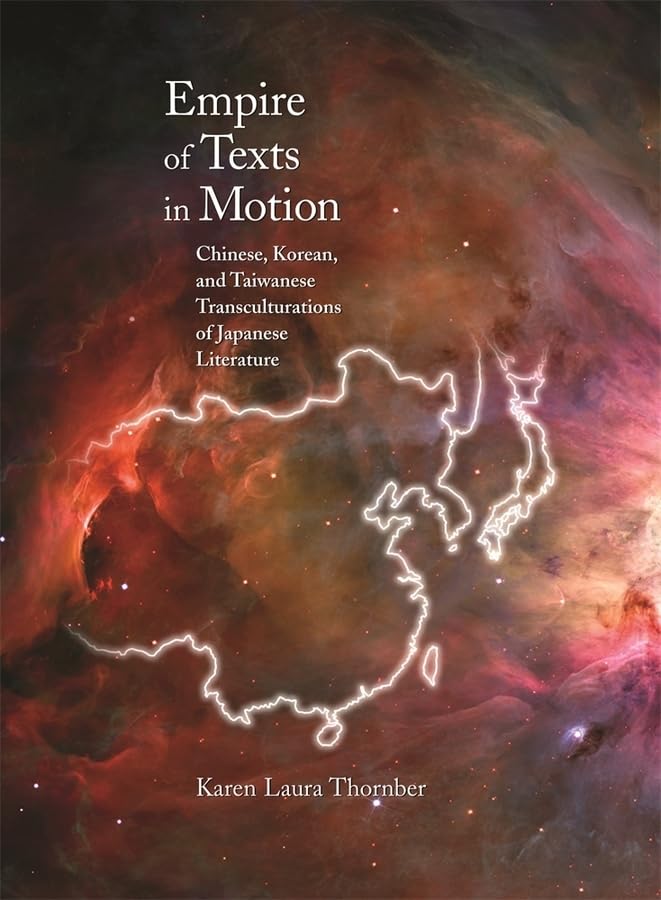
By the turn of the twentieth century, Japans military and economic successes made it the dominant power in East Asia, drawing hundreds of thousands of Chinese, Korean, and Taiwanese students to the metropole and sending thousands of Japanese to other parts of East Asia. The constant movement of peoples, ideas, and texts in the Japanese empire created numerous literary contact nebulae, fluid spaces of diminished hierarchies where writers grapple with and transculturate one anothers creative output.Drawing extensively on vernacular sources in Japanese, Chinese, and Korean, this book analyzes the most active of these contact nebulae: semicolonial Chinese, occupied Manchurian, and colonial Korean and Taiwanese transculturations of Japanese literature. It explores how colonial and semicolonial writers discussed, adapted, translated, and recast thousands of Japanese creative works, both affirming and challenging Japans cultural authority. Such efforts not only blurred distinctions among resistance, acquiescence, and collaboration but also shattered cultural and national barriers central to the discourse of empire. In this context, twentiethcentury East Asian literatures can no longer be understood in isolation from one another, linked only by their encounters with the West, but instead must be seen in constant interaction throughout the Japanese empire and beyond.
⚠️ WARNING (California Proposition 65):
This product may contain chemicals known to the State of California to cause cancer,
birth defects, or other reproductive harm.
For MAP (Minimum Advertised Price) violations and Intellectual Property (IP) or Trademark concerns, please contact:
support@ergodebooks.com
⚠️ California Proposition 65 Warning: Some products sold on this website may expose you to chemicals known to the State of California to cause cancer, birth defects, or other reproductive harm. For more information, visit www.P65Warnings.ca.gov.