
Title
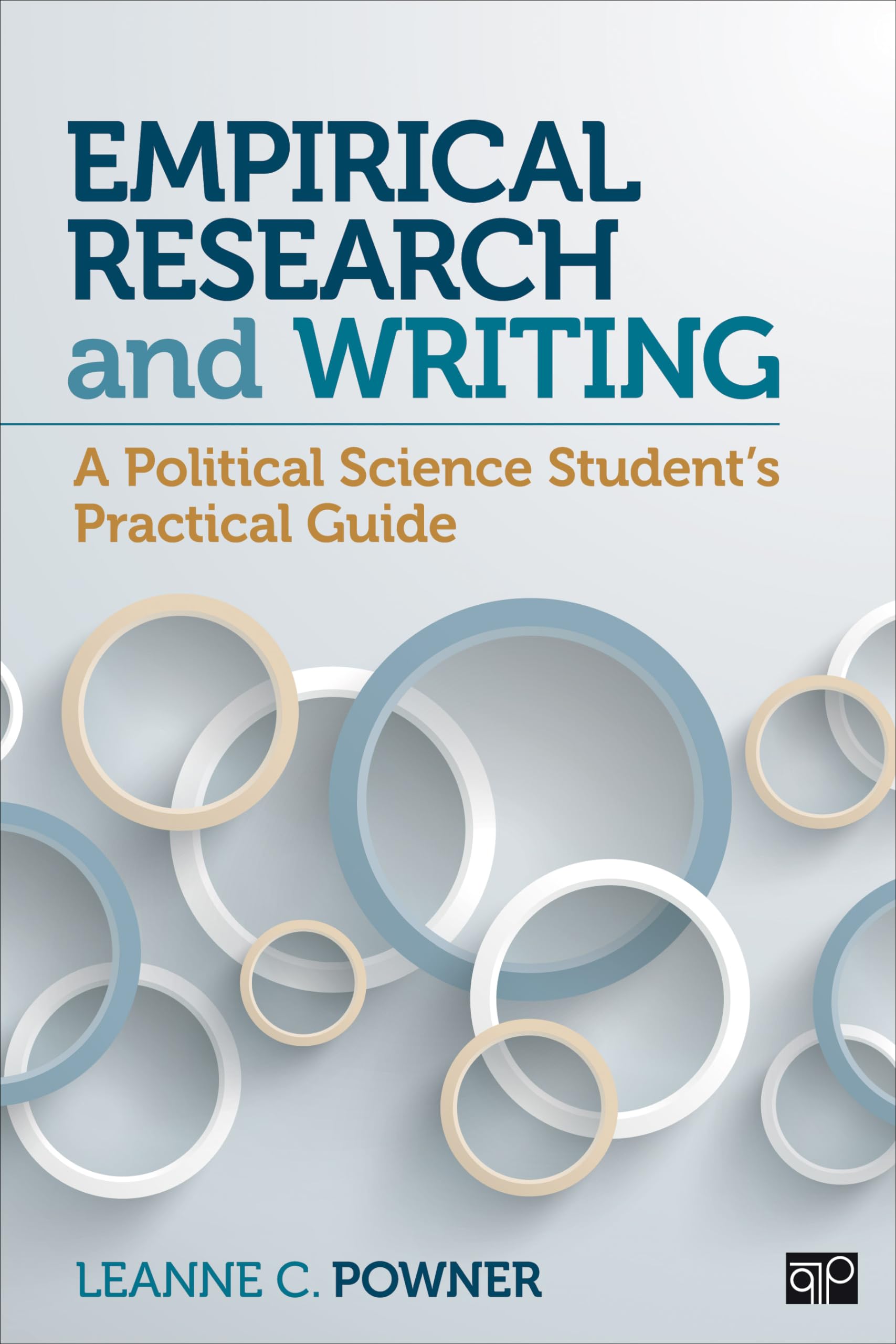
Empirical Research And Writing: A Political Science Student'S Practical Guide
Sold by Ergodebooks, an authorized reseller.
Returns accepted within 30 days | support@ergodebooks.com
Shipping Information
- Free Standard Shipping — United States only
- Processing Time: 3–5 business days
- Estimated Delivery: 6–10 business days after dispatch
- Double-boxed, fully insured & discreetly packaged
- Tracking number sent via email once dispatched
Returns & Refund
Returns accepted within 30 days of delivery.
Damaged or Defective Item
Free return shipping + replacement or full refund
Wrong Item Received
Free return shipping + replacement or full refund
Change of Mind
Return shipping at customer's expense · 25% restocking fee applies
Payment Option

Students Can Easily Misstep When They First Begin To Do Research. Leanne C. Powners New Title Empirical Research And Writing: A Student'S Practical Guide Provides Valuable Advice And Guidance On Conducting And Writing About Empirical Research. Chapter By Chapter, Students Are Guided Through The Key Steps In The Research Process. Written In A Lively And Engaging Manner And With A Dose Of Humor, This Practical Text Shows Students Exactly How To Choose A Research Topic, Conduct A Literature Review, Make Research Design Decisions, Collect And Analyze Data, And Then Write Up And Present The Results. The Book'S Approachable Style And Justintime Information Delivery Make It A Text Students Will Want To Read, And Its Wideranging And Surprisingly Sophisticated Coverage Will Make It An Important Resource For Their Later Coursework.
⚠️ WARNING (California Proposition 65):
This product may contain chemicals known to the State of California to cause cancer, birth defects, or other reproductive harm.
For more information, please visit www.P65Warnings.ca.gov.
- Q: How many pages does this book have? A: This book has three hundred twenty pages. It provides a comprehensive guide for political science students.
- Q: What is the binding type of this book? A: The book is bound in paperback. This makes it lightweight and easy to carry around.
- Q: What are the dimensions of the book? A: The book measures six inches in length, zero point seventy-five inches in width, and nine point zero two inches in height. These dimensions make it a convenient size for reading and handling.
- Q: What is the main focus of this book? A: This book focuses on empirical research and writing within political science. It guides students through the research process in a practical manner.
- Q: Who is the author of this book? A: The author of this book is Leanne C. Powner. She provides valuable insights and guidance tailored for students.
- Q: What age group is this book intended for? A: This book is intended for college students, particularly those studying political science. It offers practical guidance for those new to research.
- Q: How can I effectively use this book for research? A: You can use this book as a step-by-step guide for conducting empirical research. It covers topics from choosing a research topic to presenting results.
- Q: Is this book suitable for beginners in research? A: Yes, this book is suitable for beginners. It breaks down complex research concepts into manageable steps.
- Q: What kind of research topics does this book cover? A: This book covers a variety of research topics relevant to political science. It helps students identify and choose suitable topics.
- Q: How should I store this book to keep it in good condition? A: Store this book in a cool, dry place, away from direct sunlight. This will help preserve its condition over time.
- Q: Can I clean the cover of this paperback book? A: Yes, you can lightly wipe the cover with a damp cloth. Avoid using harsh chemicals that might damage the material.
- Q: What if I receive a damaged copy of this book? A: If you receive a damaged copy, you should contact the seller for a return or exchange. Most sellers have policies in place for such issues.
- Q: Is there a warranty for this book? A: No, there is typically no warranty for books. However, check with the seller for return policies.
- Q: What makes this book different from other political science guides? A: This book stands out due to its engaging writing style and practical advice tailored for students new to empirical research.
- Q: Does this book include examples of research projects? A: Yes, this book includes examples to illustrate key concepts in the research process. These examples help clarify the material.
- Q: Can I use this book for writing papers in other fields? A: Yes, while it's focused on political science, the research principles discussed can be applied to other academic disciplines as well.