If you have any questions, you are always welcome to contact us. We'll get back to you as soon as possible, withing 24 hours on weekdays.
Customer service
All questions about your order, return and delivery must be sent to our customer service team by e-mail at yourstore@yourdomain.com
Sale & Press
If you are interested in selling our products, need more information about our brand or wish to make a collaboration, please contact us at press@yourdomain.com
Help
If you have any questions, you are always welcome to contact us. We'll get back to you as soon as possible, withing 24 hours on weekdays.
Customer service
All questions about your order, return and delivery must be sent to our customer service team by e-mail at yourstore@yourdomain.com
Sale & Press
If you are interested in selling our products, need more information about our brand or wish to make a collaboration, please contact us at press@yourdomain.com
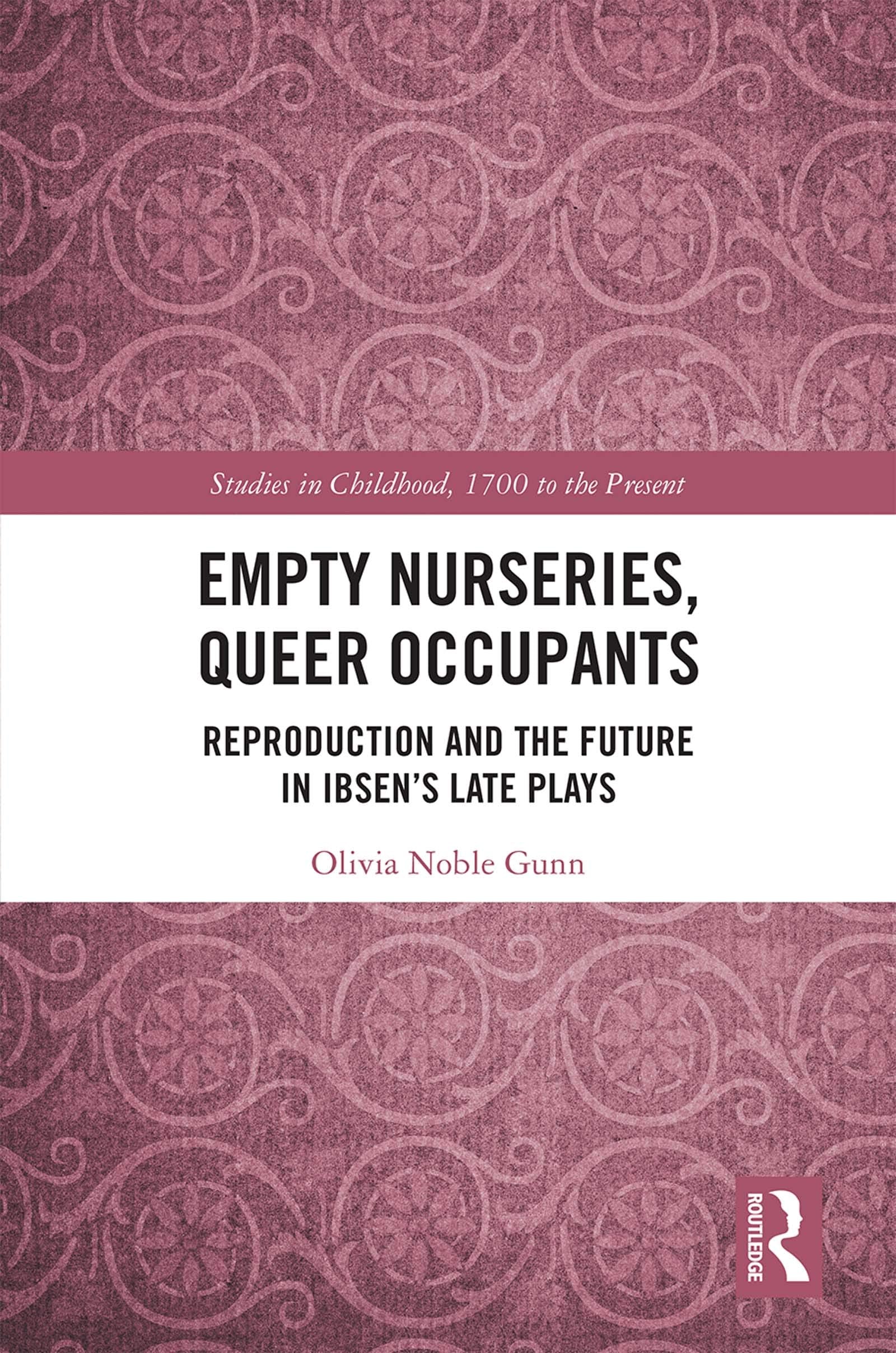
Who is the proper occupant of the nursery? The obvious answer is the child, and not an archive, a seductive trollprincess, or poor fosterlings. Nevertheless, characters in Hedda Gabler, The Master Builder, and Little Eyolf intend to host these improper occupants in their childrens rooms. Dr. Gunn calls these dramas the empty nursery plays because they all describe rooms intended for offspring, as well as characters plans for refilling that space. One might expect nurseries to provide an ideal setting for a realist playwright to dramatize contemporary problems. Rather than mattering to Ibsen in terms of naturalist detail or explicit social critique, however, they are reserved for the maintenance of characters fears and expectations concerning the future. Empty Nurseries, Queer Occupants intervenes in scholarly debates in child studies by arguing that the empty bourgeois nursery is a better symbol for innocence than the child. Here, emptiness refers to the common construction of the child as blank and latent. In Ibsen, the child is also doomed or deceased, and thus essentially absent, but nurseries persist as spaces of memorialization and potential alike. Nurseries also gesture toward the domains of childhood and womens labor, from birth to domestic service. Bourgeois nursery points to the classed construction of innocence and to the more materialist aspects of this book, which inform our understanding of domesticity and family in the West and uncover a set of reproductive connotations broader than the innocent child can convey.
⚠️ WARNING (California Proposition 65):
This product may contain chemicals known to the State of California to cause cancer,
birth defects, or other reproductive harm.
For MAP (Minimum Advertised Price) violations and Intellectual Property (IP) or Trademark concerns, please contact:
support@ergodebooks.com
⚠️ California Proposition 65 Warning: Some products sold on this website may expose you to chemicals known to the State of California to cause cancer, birth defects, or other reproductive harm. For more information, visit www.P65Warnings.ca.gov.