
Title
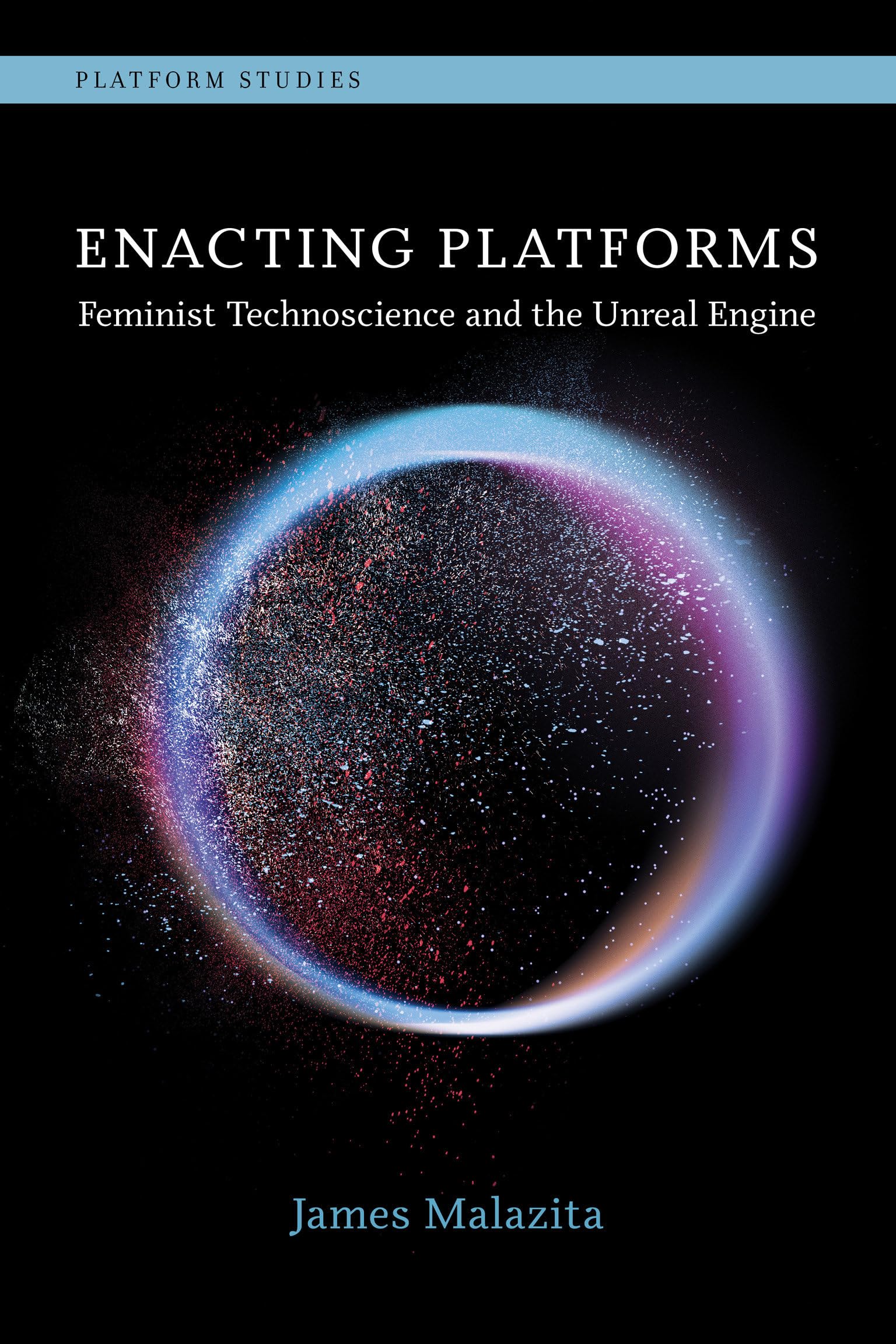
Enacting Platforms: Feminist Technoscience And The Unreal Engine (Platform Studies),New
Sold by Ergodebooks, an authorized reseller.
Returns accepted within 30 days | support@ergodebooks.com
Shipping Information
- Free Standard Shipping — United States only
- Processing Time: 3–5 business days
- Estimated Delivery: 6–10 business days after dispatch
- Double-boxed, fully insured & discreetly packaged
- Tracking number sent via email once dispatched
Returns & Refund
Returns accepted within 30 days of delivery.
Damaged or Defective Item
Free return shipping + replacement or full refund
Wrong Item Received
Free return shipping + replacement or full refund
Change of Mind
Return shipping at customer's expense · 25% restocking fee applies
Payment Option

An analysis of the game engine Unreal through feminist, race, and queer theories of technology and media, as well as a critique of the platform studies framework itself.In this first scholarly book on the Unreal game engine, Enacting Platforms, James Malazita explores one of the major contemporary game development platforms through feminist, race, and queer theories of technology and media, revealing how Unreal produces, and is produced by, broader intersections of power. Taking a novel critical platform studies approach, he also raises deeper questions: what are the material and cultural limits of platforms themselves? What is the relationship between the analyst and the platform of study, and how does that relationship in part determine what counts as the platform itself? Malazita also offers a forwardlooking critique of the platform studies framework itself.The Unreal platform serves as a kind of technical and political archive of the games industry, highlighting how the techniques and concerns of games have shifted and accreted over the past 30 years. Today, Unreal is also used in contexts far beyond games, including in public communication, biomedical research, civil engineering, and military simulation and training. The authors depth of technical analysis, combined with new archival findings, contributes to discussions of topics rarely covered in games studies (such as the politics of graphical rendering algorithms), as well as new readings of previously closed case studies (such as the engines entanglement with the US military and American masculinity in Americas Army). Culture, Malazita writes, is not built into software but emerges through human practices with code.
⚠️ WARNING (California Proposition 65):
This product may contain chemicals known to the State of California to cause cancer, birth defects, or other reproductive harm.
For more information, please visit www.P65Warnings.ca.gov.