
Title
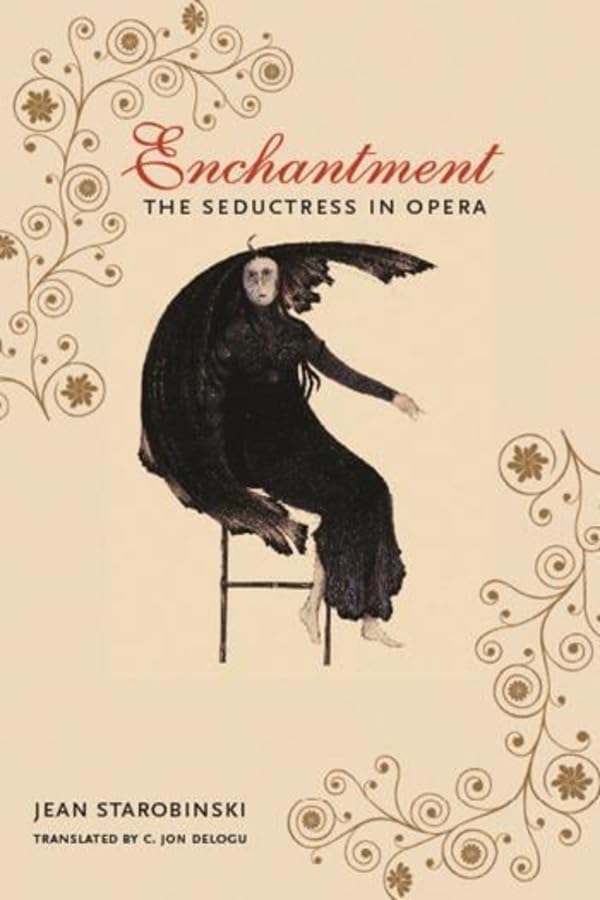
Enchantment: The Seductress In Opera (European Perspectives: A Series In Social Thought And Cultural Criticism)
Sold by Ergodebooks, an authorized reseller.
Returns accepted within 30 days | support@ergodebooks.com
Shipping Information
- Free Standard Shipping — United States only
- Processing Time: 3–5 business days
- Estimated Delivery: 6–10 business days after dispatch
- Double-boxed, fully insured & discreetly packaged
- Tracking number sent via email once dispatched
Returns & Refund
Returns accepted within 30 days of delivery.
Damaged or Defective Item
Free return shipping + replacement or full refund
Wrong Item Received
Free return shipping + replacement or full refund
Change of Mind
Return shipping at customer's expense · 25% restocking fee applies
Payment Option

We often look to the theater for spectacle and wonder, but in opera, we find pure enchantment. What is it about the marriage of music and the stage that fills us with such bewilderment and passion? How does the sensual space of opera transport us into the realm of dream?Jean Starobinski considers the allure of several seducers and seductresses from nineteenthcentury operaMonteverdi's Poppea, Handel's Alcina, and Massenet's Manon, among othersand how their stories are woven into the fabric of Western culture. A talented storyteller and renowned critic of literature and music, Starobinski moves from musical analysis and textual exegesis to an investigation of the political, social, and aesthetic scene of Europe at the time. He traces the elements of theater, poetry, painting, sculpture, dance, and music as they occur in operatic performance, and shows how opera's use of narrative genres, especially the fairy tale, in turn influenced many important short stories, novels, and other works.Nineteenthcentury romantics were drawn to opera because of their desire to revive a religious vision of the world that the Enlightenment suppressed. Starobinski revisits the experiences of Rousseau, Stendhal, Hoffmann, Balzac, and Nietzsche, major writers who fell for opera's portrayal of 'heaven,' the loss of one's love, and the task of the artist, whether composer or performer. Starobinski's critical breadth and depth, as well as his eclectic taste and keen observation, echo such great comparative critics as Erich Auerbach, Ren Wellek, George Steiner, Harold Bloom, and Angus Fletcher. This spellbinding book will enchant not only fans of the opera, but also those who wish to understand the form's enduring heritage in Western culture.
⚠️ WARNING (California Proposition 65):
This product may contain chemicals known to the State of California to cause cancer, birth defects, or other reproductive harm.
For more information, please visit www.P65Warnings.ca.gov.