
Title
Enduring Legacies: Native American Treaties and Contemporary Controversies,Used
Sold by Ergodebooks, an authorized reseller.
Returns accepted within 30 days | support@ergodebooks.com
Shipping Information
- Free Standard Shipping — United States only
- Processing Time: 3–5 business days
- Estimated Delivery: 6–10 business days after dispatch
- Double-boxed, fully insured & discreetly packaged
- Tracking number sent via email once dispatched
Returns & Refund
Returns accepted within 30 days of delivery.
Damaged or Defective Item
Free return shipping + replacement or full refund
Wrong Item Received
Free return shipping + replacement or full refund
Change of Mind
Return shipping at customer's expense · 25% restocking fee applies
Payment Option

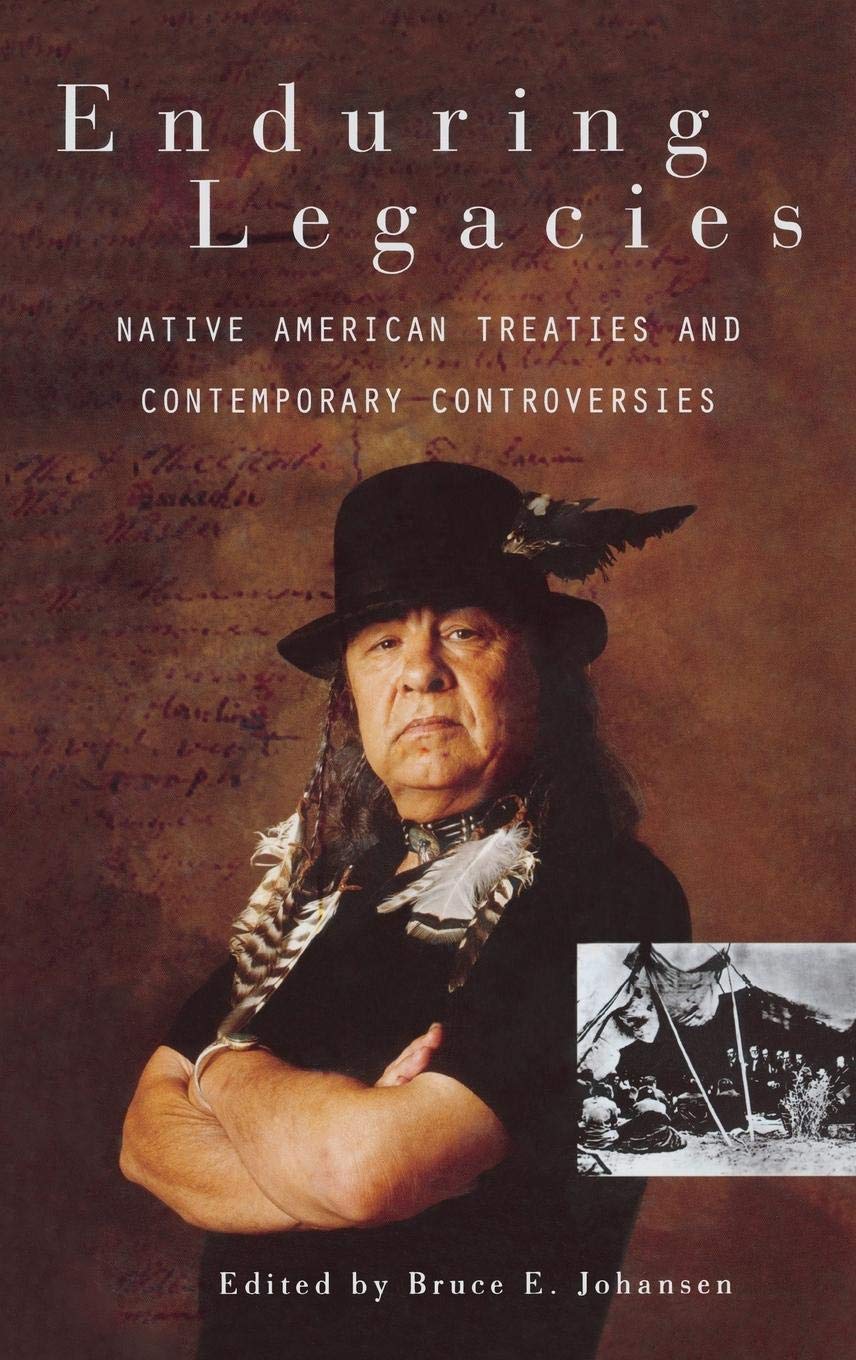
Treaties are so fundamental to the lives of Native Americans and their nations in the United States and Canada that life without them would be difficult to imagine. Most contemporary issues, from land claims to resource ownership to gambling permits, are rooted in laws that derive much of their sustenance from such documents. Treaties are, therefore, vibrant documents that define important issues in our time. This book is an attempt to maintain a national conversation on the treaty basis of important contemporary laws and issues. While the texts of such treaties have long been available, discussion and other annotation in a context that gives them contemporary meaning has been scarce.This collection of essays by experts in Native American history examines these historic agreements in light of recent and ongoing controversies. Claims to ancestral land bases are one prime example: the Canandaigua Treaty of 1794 provides a context in which to address the Onondaga's claim to most of the Syracuse urban area. Treaties provide the bases for events such as the modernday rebirth of the Ponca Nation in Nebraska more than a century after a bureaucratic error resulted in banishment from ancestral land. One chapter explores why the U.S. Army still officially regards tragic events at Wounded Knee in December 1890 as a battle, rather than a massacre. Another reveals how treaties and laws have been used to retain and regain gas and oil resource ownership. Still another expert examines why so much energy has been expended over the fate of 9,300 yearold bones that have come to be called Kennewick Man.
⚠️ WARNING (California Proposition 65):
This product may contain chemicals known to the State of California to cause cancer, birth defects, or other reproductive harm.
For more information, please visit www.P65Warnings.ca.gov.