
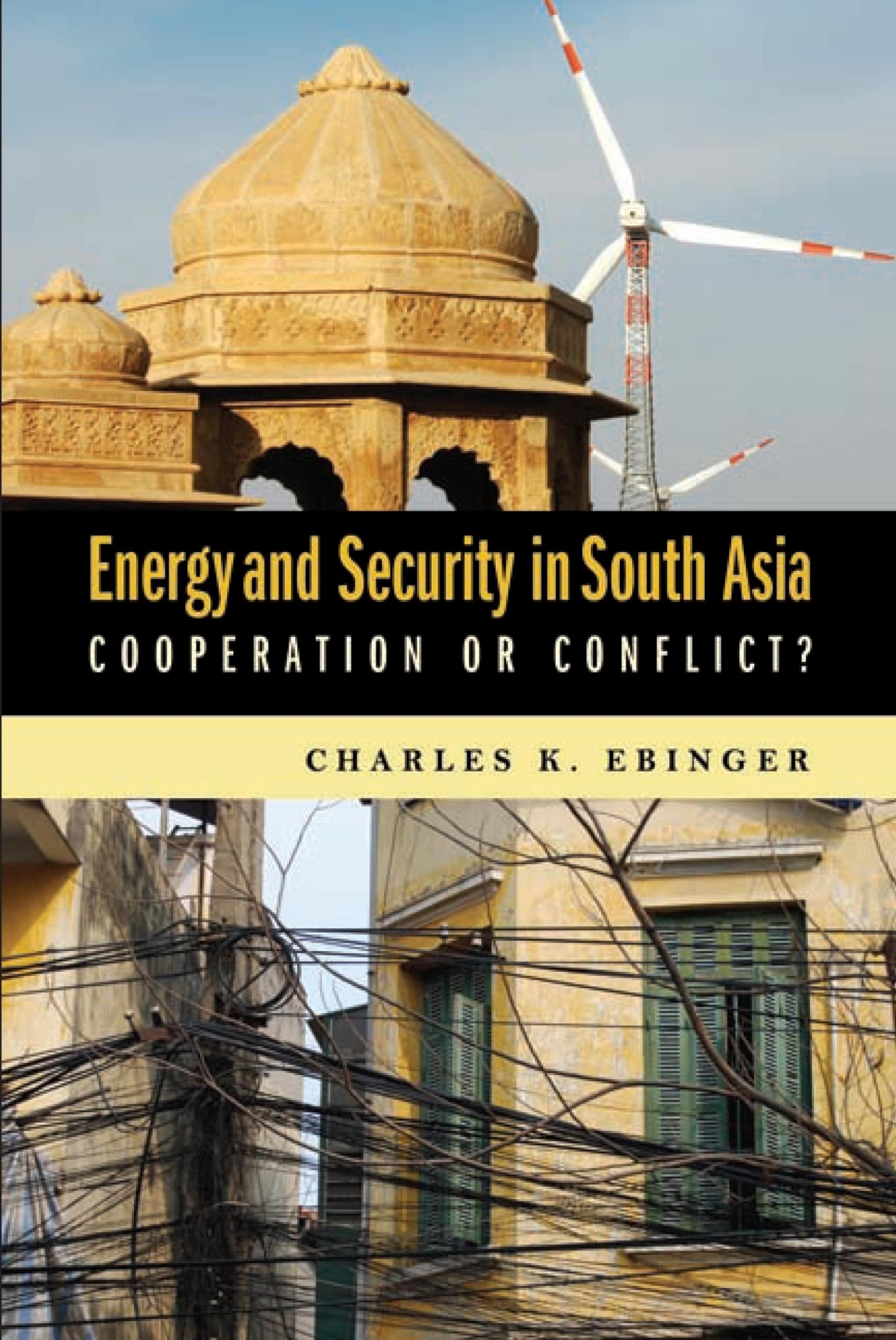
Title
Energy And Security In South Asia: Cooperation Or Conflict?,Used
Sold by Ergodebooks, an authorized reseller.
Returns accepted within 30 days | support@ergodebooks.com
Shipping Information
- Free Standard Shipping — United States only
- Processing Time: 3–5 business days
- Estimated Delivery: 6–10 business days after dispatch
- Double-boxed, fully insured & discreetly packaged
- Tracking number sent via email once dispatched
Returns & Refund
Returns accepted within 30 days of delivery.
Damaged or Defective Item
Free return shipping + replacement or full refund
Wrong Item Received
Free return shipping + replacement or full refund
Change of Mind
Return shipping at customer's expense · 25% restocking fee applies
Payment Option

Economic growth and burgeoning populations have put South Asia's energy security in a perilous state. Already energy and power shortages are stunting development in some of the region's least developed locations spurring political insurgences and social dislocation. Should this trend continue, Ebinger argues the Subcontinent will face dire economic, social and political crises. In Energy and Security in South Asia, Brookings ESI director Charles Ebinger, a longtime adviser to South Asian governments, lays out the current regional energy picture arguing that the only way to achieve sustainable energy security is through regional collaboration both within the subcontinent as well as with regional neighbors in the Middle East and Central and Southeast Asia,Dr. Ebinger commences by illustrating the presentday energy environment in each nation as well as the obstacles governments confront in addressing them. Among the issues examined are: (1) the technical strains that near doubledigit economic growth are putting on India's dilapidated power infrastructure, (2) the economic costs the country is incurring by increasing reliance on the Middle East for oil and gas resources; (3) the prospects for expanded wind, solar, energy efficiency and nuclear power generation in India to help reduce the nation's growing carbon footprint as it accelerates the use of coal; (4) the implications of Pakistan's expanded use of coal; (5) an analysis of how poor energy pricing systems are bringing about an energy shortage throughout the region (6) an examination of how strains in Indo/Bengali relations threaten the construction of vital regional energy infrastructure projects; (7) a discussion of how continued political upheaval in Nepal is causing power shortages of up to 20 hours per day; and (8), an analysis of how hydropower development is fuelling Bhutan's ''Gross National Happiness'' campaign. In addition to individual domestic concerns, each nation shares a crisis whereby hundreds of millions on the Subcontinent lack access to electricity and burn inefficient resources such as fuel wood and biomass for lighting, heating, and cooking, thus contributing sizeable carbon emissions.The looming Indian Subcontinent energy crisis will force more than half a billion people and countingfrom emerging from dire poverty, thus potentially sparking domestic and regional instability in an already treacherous area.'
⚠️ WARNING (California Proposition 65):
This product may contain chemicals known to the State of California to cause cancer, birth defects, or other reproductive harm.
For more information, please visit www.P65Warnings.ca.gov.