
Title
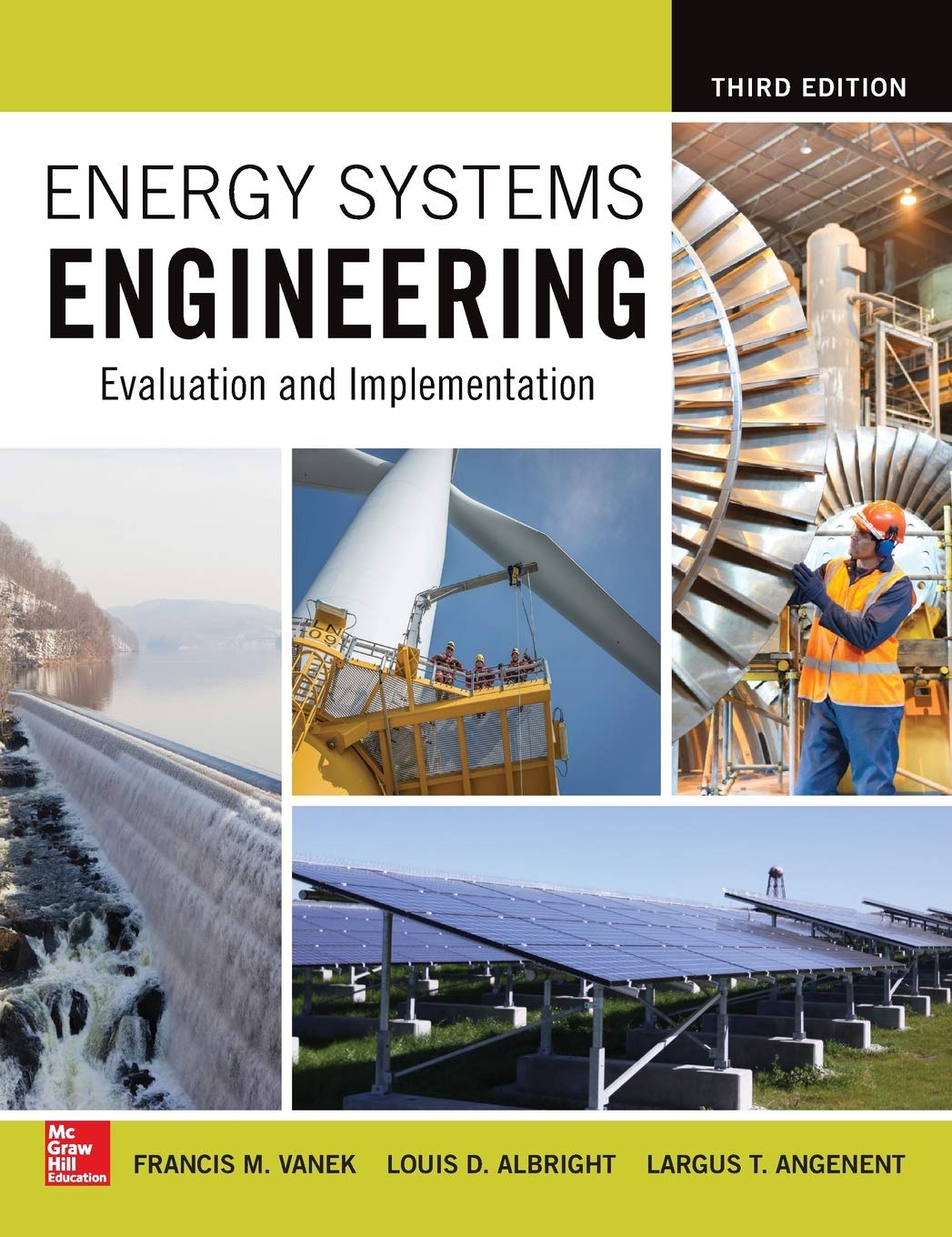
Energy Systems Engineering: Evaluation And Implementation, Third Edition
Sold by Ergodebooks, an authorized reseller.
Returns accepted within 30 days | support@ergodebooks.com
Shipping Information
- Free Standard Shipping — United States only
- Processing Time: 3–5 business days
- Estimated Delivery: 6–10 business days after dispatch
- Double-boxed, fully insured & discreetly packaged
- Tracking number sent via email once dispatched
Returns & Refund
Returns accepted within 30 days of delivery.
Damaged or Defective Item
Free return shipping + replacement or full refund
Wrong Item Received
Free return shipping + replacement or full refund
Change of Mind
Return shipping at customer's expense · 25% restocking fee applies
Payment Option

Publisher'S Note: Products Purchased From Third Party Sellers Are Not Guaranteed By The Publisher For Quality, Authenticity, Or Access To Any Online Entitlements Included With The Product.A Definitive Guide To Energy Systems Engineeringthoroughly Updated For The Latest Technologieswritten By A Team Of Experts In The Industry, This Comprehensive Resource Discusses Fossil, Nuclear, And Renewable Energy And Lays Out Technologyneutral, Portfoliobased Approaches To Energy Systems. You Will Get Complete Coverage Of All Of The Major Energy Technologies, Including How They Work, How They Are Quantitatively Evaluated, What They Cost, And Their Impact On The Natural Environment. The Authors Show How Each Technique Is Currently Usedand Offer A Look Into The Future Of Energy Systems Engineering.Thoroughly Revised To Include The Latest Advances, Energy Systems Engineering: Evaluation And Implementation, Third Edition, Clearly Addresses Project Scope Estimation, Cost, Energy Consumption, And Technical Efficiency. Example Problems Demonstrate The Performance Of Each Technology And Teach, Stepbystep, How To Assess Strengths And Weaknesses. Hundreds Of Illustrations And Endofchapter Exercises Aid In Your Understanding Of The Concepts Presented. Valuable Appendices Contain Reference Tables, Unit Conversions, And Thermodynamic Constants.Coverage Includes: Systems And Economic Tools Climate Change And Climate Modeling Fossil Fuel Resources Stationary Combustion Systems Carbon Sequestration Nuclear Energy Systems, Including Smallscale Nuclear Fusion Solar Resources Solar Photovoltaic Technologies Active And Passive Solar Thermal Systems Wind Energy Systems And Wind Turbine Designs For Lower Wind Speeds Bioenergy Resources And Systems Wastetoenergy Conversion Transportation Energy Technologies, Including Electric Vehicles Systems Perspective On Transportation Energy Creating The Twentyfirstcentury Energy System
⚠️ WARNING (California Proposition 65):
This product may contain chemicals known to the State of California to cause cancer, birth defects, or other reproductive harm.
For more information, please visit www.P65Warnings.ca.gov.
- Q: What topics are covered in Energy Systems Engineering: Evaluation and Implementation? A: The book covers a wide range of topics including fossil fuel resources, nuclear energy systems, renewable energy sources like solar and wind, climate change modeling, carbon sequestration, and transportation energy technologies, among others.
- Q: Who is the author of this book? A: The author of Energy Systems Engineering: Evaluation and Implementation, Third Edition is Francis Vanek.
- Q: What is the publication date of this edition? A: This edition was published on March 10, 2016.
- Q: How many pages does the book have? A: The book contains a total of 736 pages.
- Q: What is the binding type of the book? A: The book is available in paperback binding.
- Q: Is this book suitable for beginners in energy systems engineering? A: Yes, the book is designed to provide comprehensive coverage of energy systems engineering, making it suitable for both beginners and experienced professionals.
- Q: Are there any exercises included in the book? A: Yes, the book includes end-of-chapter exercises that help reinforce the concepts presented and provide practical applications.
- Q: Does the book include illustrations? A: Yes, the book contains hundreds of illustrations that aid in understanding the concepts discussed.
- Q: What kind of supplementary materials does the book provide? A: It includes valuable appendices with reference tables, unit conversions, and thermodynamic constants.
- Q: Is this book still relevant with the latest technological advances? A: Yes, this edition has been thoroughly revised to include the latest advances in energy systems engineering.