
Title
Engaging Ancient Maya Sculpture At Piedras Negras, Guatemala,Used
Sold by Ergodebooks, an authorized reseller.
Returns accepted within 30 days | support@ergodebooks.com
Shipping Information
- Free Standard Shipping — United States only
- Processing Time: 3–5 business days
- Estimated Delivery: 6–10 business days after dispatch
- Double-boxed, fully insured & discreetly packaged
- Tracking number sent via email once dispatched
Returns & Refund
Returns accepted within 30 days of delivery.
Damaged or Defective Item
Free return shipping + replacement or full refund
Wrong Item Received
Free return shipping + replacement or full refund
Change of Mind
Return shipping at customer's expense · 25% restocking fee applies
Payment Option

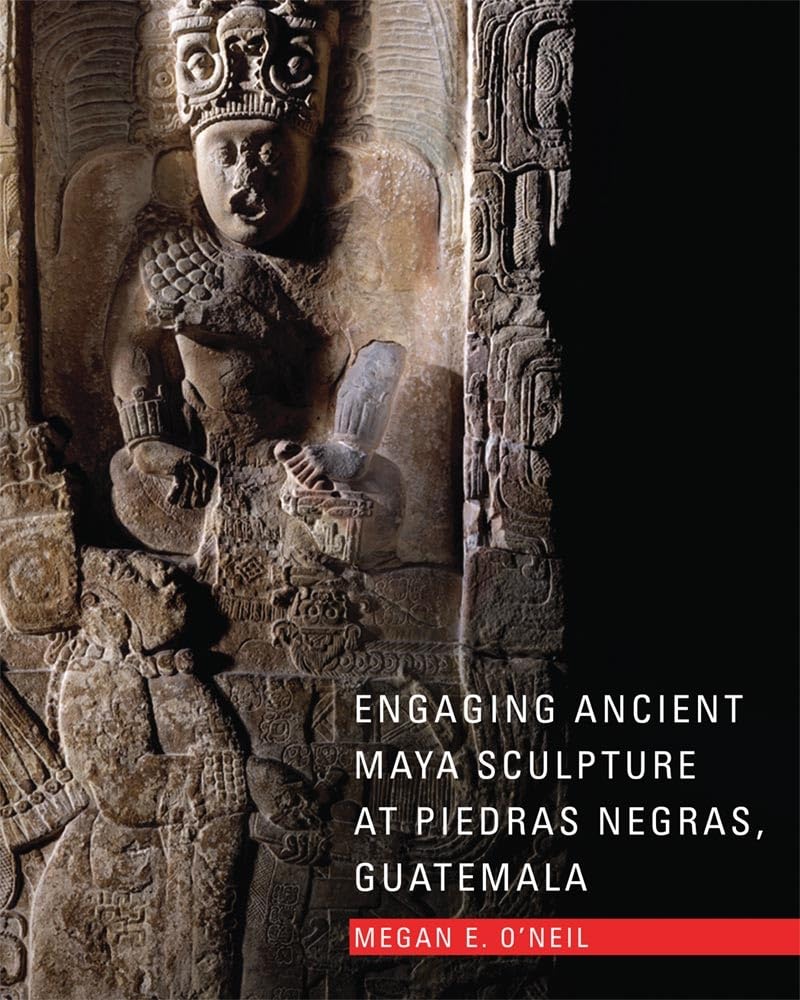
Now shrouded in Guatemalan jungle, the ancient Maya city of Piedras Negras flourished between the sixth and ninth centuries, when its rulers erected monumental limestone sculptures carved with hieroglyphic texts and images of themselves and family members, advisers, and captives. In Engaging Ancient Maya Sculpture at Piedras Negras, Guatemala, Megan E. ONeil offers new ways to understand these stelae, altars, and panels by exploring how ancient Maya people interacted with them.These monuments, considered sacred, were one of the communitys important forms of cultural and religious expression. Stelae may have held the essence of rulers they commemorated, and the objects remained loci for reverence of those rulers after they died. Using a variety of evidence,ONeil examines how the forms, compositions, and contexts of the sculptures invited people to engage with them and the figures they embodied looks at these monuments not as inert bearers of images but as palpable presences that existed in real space at specific historical moments. Her analysis brings to the fore the material and affective force of these powerful objects that were seen, touched, and manipulated in the past.ONeil investigates the monuments not only at the moment of their creation but also in later years and shows how they changed over time. She argues that the relationships among sculptures of different generations were performed in processions, through which ancient Maya people integrated historical dialogues and ancestral commemoration into the landscape.With the help of more than 160 illustrations, ONeil reveals these sculptures continuing life histories, which in the past century have included their fragmentation and transformation into commodities sold on the international art market. Shedding light on modernday transposition and display of these ancient monuments, ONeils study contributes to ongoing discussions of cultural patrimony.
⚠️ WARNING (California Proposition 65):
This product may contain chemicals known to the State of California to cause cancer, birth defects, or other reproductive harm.
For more information, please visit www.P65Warnings.ca.gov.