
Title
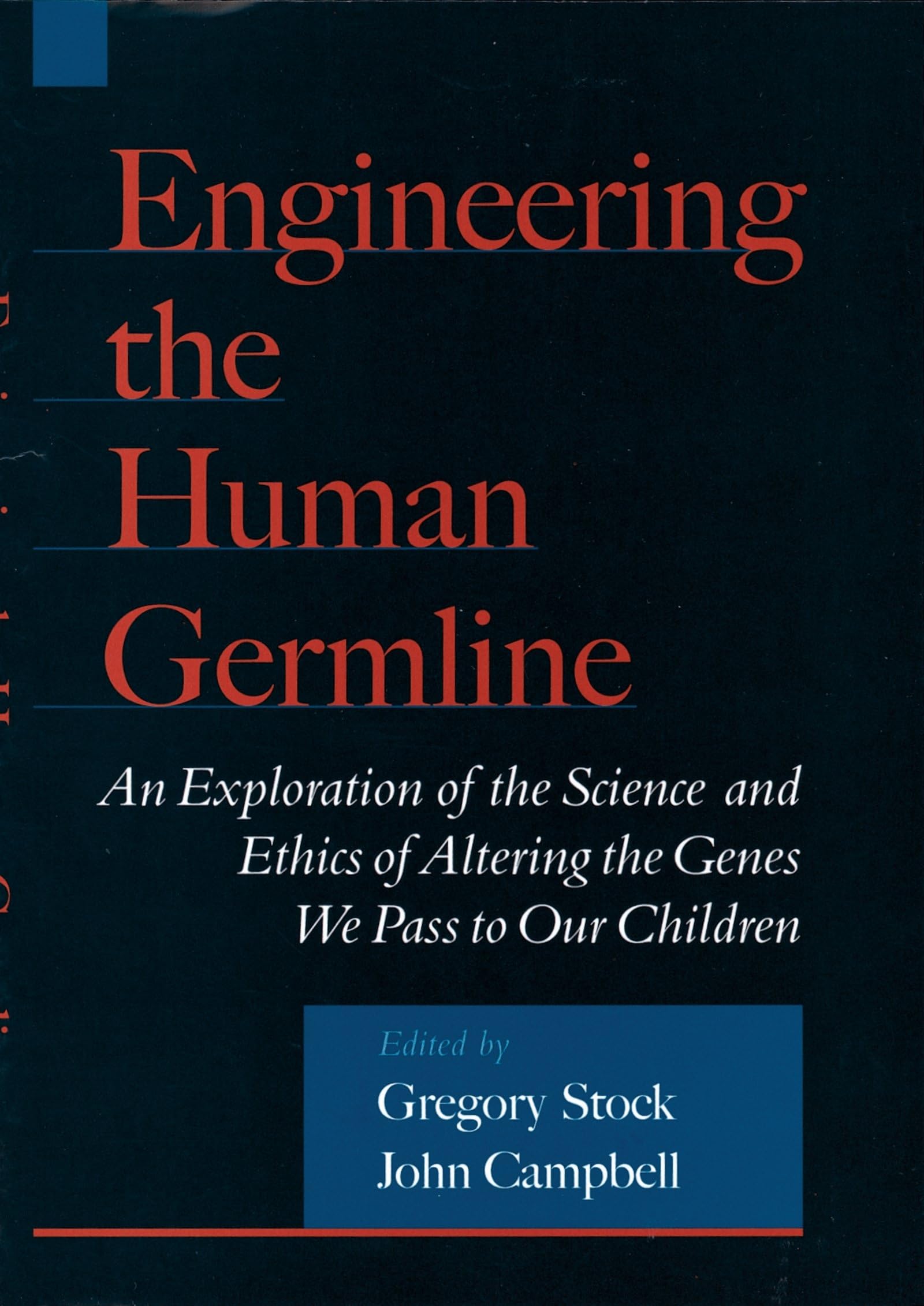
Engineering The Human Germline: An Exploration Of The Science And Ethics Of Altering The Genes We Pass To Our Children
Sold by Ergodebooks, an authorized reseller.
Returns accepted within 30 days | support@ergodebooks.com
Shipping Information
- Free Standard Shipping — United States only
- Processing Time: 3–5 business days
- Estimated Delivery: 6–10 business days after dispatch
- Double-boxed, fully insured & discreetly packaged
- Tracking number sent via email once dispatched
Returns & Refund
Returns accepted within 30 days of delivery.
Damaged or Defective Item
Free return shipping + replacement or full refund
Wrong Item Received
Free return shipping + replacement or full refund
Change of Mind
Return shipping at customer's expense · 25% restocking fee applies
Payment Option

This Book Explores The Many Prospects, Challenges And Ethical Questions That Surround The Engineering Of Our Reproductive Cells. It Is An Accessible, Threepart Examination, Moving From Focused, Realistic Assessments Of The Promise And Problems For This Advancing Technology To A Section Of Short Essays On The Implications Of Our Technological Ability. Also Included Is A Panel Discussion In Which Leading Scientists, Ethicists, And Public Policy Workers Give Voice To Their Thoughts And Concerns Regarding Our Impending Genetic Technologies. Many World Leaders In These Fields, Including Leroy Hood, French Anderson, Mario Capecchi, Daniel Koshland, Michael Rose, Lee Silver, And James Watson, Have Contributed To This Volume, Providing The Essential Elements Of The Debate Over Germline Engineering. If You Have Ever Pondered The Question: Would I Be Willing To Genetically Alter My Own Childtobe, Given A Safe, Reliable Technology, Offering A Tempting Possibility?, This Book Will Be An Indispensable Guide.
⚠️ WARNING (California Proposition 65):
This product may contain chemicals known to the State of California to cause cancer, birth defects, or other reproductive harm.
For more information, please visit www.P65Warnings.ca.gov.
- Q: What is the page count of this book? A: This book has one hundred sixty-nine pages. It offers a thorough exploration of the science and ethics of germline engineering.
- Q: What type of binding does this book have? A: This book is bound in hardcover. The durable binding enhances its longevity and makes it suitable for repeated reading.
- Q: What are the dimensions of this book? A: The book measures nine point twenty-one inches in length, nine point twenty-one inches in height, and zero point fifty-one inches in width. Its size makes it easy to handle and store.
- Q: How do I approach the themes in this book? A: To engage with the themes, read through the three-part examination of genetic engineering. The book discusses the promise, challenges, and ethical implications of altering human genes.
- Q: Is this book suitable for a general audience? A: Yes, this book is accessible to a general audience. It presents complex scientific ideas in a way that is understandable and engaging for non-experts.
- Q: Who is the author of this book? A: The author of this book is Gregory Stock. He is known for his work in bioethics and the implications of biotechnology.
- Q: What kind of discussions are included in this book? A: The book includes a panel discussion featuring leading scientists and ethicists. They share their thoughts on the implications of genetic technologies.
- Q: Is this book focused on a specific aspect of bioengineering? A: Yes, it specifically focuses on germline engineering. The narrative examines the scientific, ethical, and societal dimensions of altering human reproductive cells.
- Q: How does the book address ethical concerns? A: The book addresses ethical concerns through essays and discussions from experts. These contributions highlight diverse perspectives on genetic modification.
- Q: Can this book help me understand the future of genetic engineering? A: Yes, it provides insights into the future possibilities and challenges of genetic engineering. The text encourages readers to contemplate their stance on genetic alteration.
- Q: What is the target audience for this book? A: The target audience includes anyone interested in bioengineering and ethics. It's suitable for students, professionals, and general readers alike.
- Q: Does this book include contributions from notable figures? A: Yes, it features contributions from renowned figures like Leroy Hood and James Watson. Their insights enrich the discussions on germline engineering.
- Q: What is the main focus of the essays in this book? A: The essays focus on the implications of our technological capabilities regarding genetic alteration. They reflect on societal impacts and ethical dilemmas.
- Q: How can I utilize the information in this book? A: You can use the information to inform your understanding of genetic engineering and its ethical implications. It serves as a guide for personal and societal considerations.
- Q: Is this book part of a larger series? A: No, this book stands alone as a comprehensive examination of germline engineering. It offers a unique perspective without being part of a series.
- Q: What kind of format does the book use for its content? A: The book uses a structured format, combining essays, discussions, and examinations. This format helps readers navigate complex topics effectively.