
Title
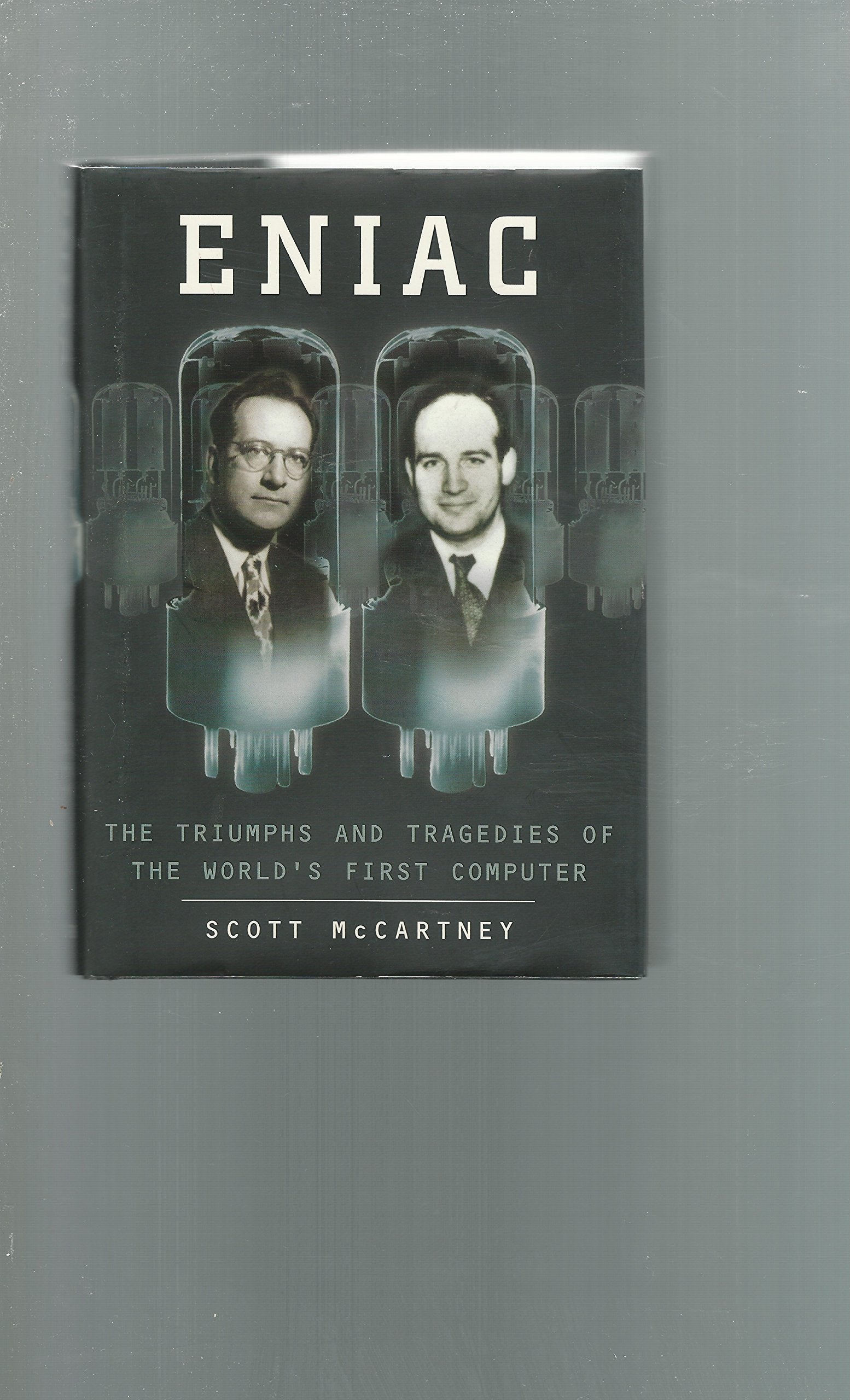
Eniac: The Triumphs And Tragedies Of The World'S First Computer,Used
Sold by Ergodebooks, an authorized reseller.
Returns accepted within 30 days | support@ergodebooks.com
Shipping Information
- Free Standard Shipping — United States only
- Processing Time: 3–5 business days
- Estimated Delivery: 6–10 business days after dispatch
- Double-boxed, fully insured & discreetly packaged
- Tracking number sent via email once dispatched
Returns & Refund
Returns accepted within 30 days of delivery.
Damaged or Defective Item
Free return shipping + replacement or full refund
Wrong Item Received
Free return shipping + replacement or full refund
Change of Mind
Return shipping at customer's expense · 25% restocking fee applies
Payment Option

A Staff Writer For The Wall Street Journal , Mccartney Wades Into The Controversy Over Who Is Responsible For The Very First Electronic Computer. He Awards The Honor To John Marchly And Presper Eckert, Who Met In 1941 And Were Soon Funded By The Us Government To Help With The War Effort. They Christened Their Behemoth The Electronic Numerical Integrator And Computer. He Draws From Newly Uncovered Documents, Original Interviews With Surviving Participants, And Mauchly And Echert'S Personal Papers. Annotation C. Book News, Inc., Portland, Or (Booknews.Com)
⚠️ WARNING (California Proposition 65):
This product may contain chemicals known to the State of California to cause cancer, birth defects, or other reproductive harm.
For more information, please visit www.P65Warnings.ca.gov.
- Q: What is the page count of the book? A: The book has two hundred sixty-two pages. This length provides a comprehensive overview of the history of the first electronic computer.
- Q: What are the dimensions of the book? A: The book measures six point twenty-six inches in length, one inch in width, and eight point twenty-seven inches in height. These dimensions make it a suitable size for reading and display.
- Q: What binding type does this book have? A: This book is bound in hardcover. Hardcover binding offers durability and a professional appearance, making it ideal for collection.
- Q: Who is the author of this book? A: The author of the book is Scott McCartney. He is a staff writer for the Wall Street Journal and provides unique insights into computer history.
- Q: What genre does this book belong to? A: This book belongs to the Computer Science genre. It explores the historical significance of the first electronic computer.
- Q: How do I read this book? A: You can read this book like any standard book, starting from the first page and progressing sequentially. It is suitable for anyone interested in computer history.
- Q: Is this book suitable for beginners in computer science? A: Yes, this book is suitable for beginners. It provides an accessible introduction to the history of the first electronic computer.
- Q: What age group is this book appropriate for? A: This book is appropriate for teenagers and adults. It covers complex historical topics that may require a mature understanding.
- Q: Can this book be used as a reference for academic purposes? A: Yes, this book can serve as a reference for academic purposes. It includes original interviews and newly uncovered documents related to computer history.
- Q: How should I store this book to keep it in good condition? A: Store this book upright on a shelf, away from direct sunlight and moisture. Proper storage will help maintain its condition over time.
- Q: How can I clean the book if it gets dirty? A: To clean the book, gently wipe the cover with a dry cloth. Avoid using liquids, as they may damage the pages or binding.
- Q: Is the book safe for young children? A: No, the book is not recommended for young children. It contains complex themes and historical context that may not be suitable for them.
- Q: What if the book arrives damaged? A: If the book arrives damaged, you should contact the seller for a return or exchange. Most sellers have policies in place for damaged items.
- Q: Is there a warranty for this book? A: No, books typically do not come with a warranty. However, check with the seller for any return policies.
- Q: How do I know if this book is the right choice for me? A: To determine if this book is right for you, consider your interest in computer history and the themes discussed. If you enjoy historical accounts and technology, it may be a good fit.