
Title
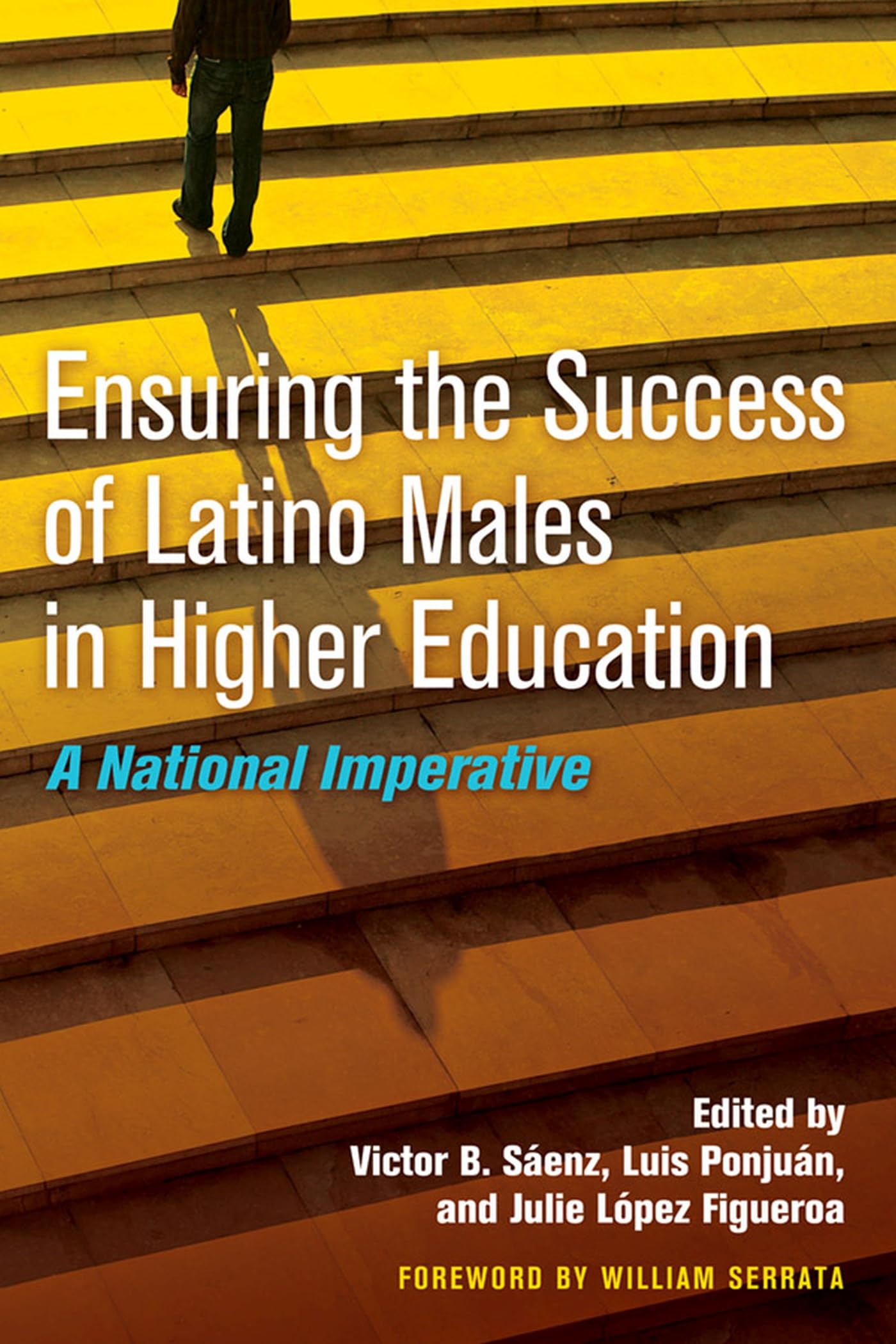
Ensuring the Success of Latino Males in Higher Education,Used
Sold by Ergodebooks, an authorized reseller.
Returns accepted within 30 days | support@ergodebooks.com
Shipping Information
- Free Standard Shipping — United States only
- Processing Time: 3–5 business days
- Estimated Delivery: 6–10 business days after dispatch
- Double-boxed, fully insured & discreetly packaged
- Tracking number sent via email once dispatched
Returns & Refund
Returns accepted within 30 days of delivery.
Damaged or Defective Item
Free return shipping + replacement or full refund
Wrong Item Received
Free return shipping + replacement or full refund
Change of Mind
Return shipping at customer's expense · 25% restocking fee applies
Payment Option

Latino males are effectively vanishing from the American higher education pipeline. Even as the number of Latinas/os attending college has actually increased steadily over the last few decades, the proportional representation of Latino males continues to slide relative to their Latina female counterparts. The question of why Latino males are losing ground in accessing higher educationrelative to their peersis an important and complex one, and it lies at the heart of this book. There are several broad themes highlighted, catalogued along with the four dimensions of policy, theory, research, and practice. The contributors to this book present new research on factors that inhibit or promote Latino success in both fouryear institutions and community colleges in order to inform both policy and practice. They explore the socialcultural factors, peer dynamics, and labor force demands that may be perpetuating the growing gender gap, and consider what lessons can be learned from research on the success of Latinas. This book also closely examines key practices that enable first generation Latino male undergraduates to succeed which may seem counterintuitive to institutional expectations and preconceived notions of student behavior. Using narrative data, the book also explores the role of family in persistence; outlines how Latino men conceptualize fulfilling expectations, negotiate the emasculization of the educational process, and how they confront racialization in the pursuit of a higher education; uncovers attitudes to helpseeking that are detrimental to their success: and analyzes how those who succeed and progress in college apply their social capital whether aspirational, navigational, social, linguistic, familial, or resistant.While uncovering the lack of awareness at all levels of our colleges and universities about the depth and severity of the challenges facing Latino males, this book provides the foundation for rethinking policy; challenges leaders to institutionalize malefocused programs and services; and presents data to inform needed changes in practice for outreach and retention.
⚠️ WARNING (California Proposition 65):
This product may contain chemicals known to the State of California to cause cancer, birth defects, or other reproductive harm.
For more information, please visit www.P65Warnings.ca.gov.