
Title
Ents, Elves, And Eriador: The Environmental Vision Of J.R.R. Tolkien (Culture Of The Land)
Sold by Ergodebooks, an authorized reseller.
Returns accepted within 30 days | support@ergodebooks.com
Shipping Information
- Free Standard Shipping — United States only
- Processing Time: 3–5 business days
- Estimated Delivery: 6–10 business days after dispatch
- Double-boxed, fully insured & discreetly packaged
- Tracking number sent via email once dispatched
Returns & Refund
Returns accepted within 30 days of delivery.
Damaged or Defective Item
Free return shipping + replacement or full refund
Wrong Item Received
Free return shipping + replacement or full refund
Change of Mind
Return shipping at customer's expense · 25% restocking fee applies
Payment Option

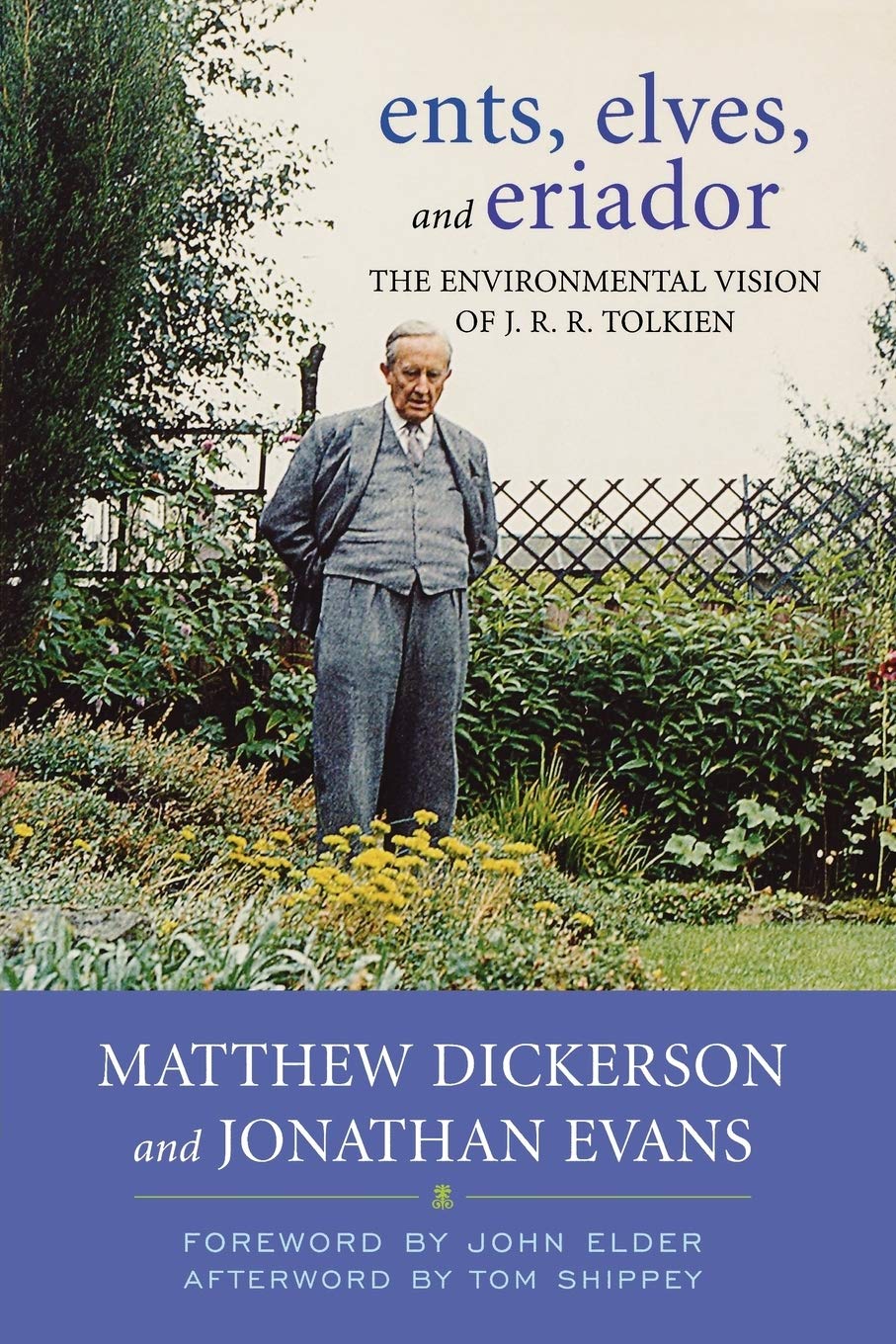
Many Readers Drawn Into The Heroic Tales Of J. R. R. Tolkien'S Imaginary World Of Middleearth Have Given Little Conscious Thought To The Importance Of The Land Itself In His Stories Or To The Vital Roles Played By The Flora And Fauna Of That Land. As A Result, The Hobbit, The Lord Of The Rings, And The Silmarillion Are Rarely Considered To Be Works Of Environmental Literature Or Mentioned Together With Such Authors As John Muir, Rachel Carson, Or Aldo Leopold. Tolkien'S Works Do Not Express An Activist Agenda; Instead, His Environmentalism Is Expressed In The Form Of Literary Fiction. Nonetheless, Tolkien'S Vision Of Nature Is As Passionate And Has Had As Profound An Influence On His Readers As That Of Many Contemporary Environmental Writers. The Burgeoning Field Of Agrarianism Provides New Insights Into Tolkien'S View Of The Natural World And Environmental Responsibility. In Ents, Elves, And Eriador, Matthew Dickerson And Jonathan Evans Show How Tolkien Anticipated Some Of The Tenets Of Modern Environmentalism In The Imagined World Of Middleearth And The Races With Which It Is Peopled.The Philosophical Foundations That Define Tolkien'S Environmentalism, As Well As The Practical Outworking Of These Philosophies, Are Found Throughout His Work. Agrarianism Is Evident In The Pastoral Lifestyle And Sustainable Agriculture Of The Hobbits, As They Harmoniously Cultivate The Land For Food And Goods. The Elves Practice Aesthetic, Sustainable Horticulture As They Shape Their Forest Environs Into An Elaborate Garden. To Complete Tolkien'S Vision, The Ents Of Fangorn Forest Represent What Dickerson And Evans Label Feraculture, Which Seeks To Preserve Wilderness In Its Natural Form. Unlike The Entwives, Who Are Described As Cultivating Food In Tame Gardens, The Ents Risk Eventual Extinction For Their Beliefs.These Ecological Philosophies Reflect An Aspect Of Christian Stewardship Rooted In Tolkien'S Catholic Faith. Dickerson And Evans Define It As Stewardship Of The Kind Modeled By Gandalf, A Stewardship That Nurtures The Land Rather Than Exploiting Its Lifesustaining Capacities To The Point Of Exhaustion. Gandalfian Stewardship Is At Odds With The Forces Of Greed Exemplified By Sauron And Saruman, Who, With Their Lust For Power, Ruin The Land They Inhabit, Serving As A Dire Warning Of What Comes To Pass When Stewardly Care Is Corrupted Or Ignored.Dickerson And Evans Examine Tolkien'S Major Works As Well As His Lesserknown Stories And Essays, Comparing His Writing To That Of The Most Important Naturalists Of The Past Century. A Vital Contribution To Environmental Literature And An Essential Addition To Tolkien Scholarship, Ents, Elves, And Eriador Offers Both Tolkien Fans And Environmentalists An Understanding Of Middleearth That Has Profound Implications For Environmental Stewardship In The Present And The Future Of Our Own World.
⚠️ WARNING (California Proposition 65):
This product may contain chemicals known to the State of California to cause cancer, birth defects, or other reproductive harm.
For more information, please visit www.P65Warnings.ca.gov.
- Q: What is the page count of this book? A: This book has three hundred forty-four pages. It provides an in-depth analysis of J.R.R. Tolkien's environmental vision.
- Q: What are the dimensions of 'Ents, Elves, and Eriador'? A: The book measures six inches in length, one inch in width, and nine point zero two inches in height. These dimensions make it a standard paperback size.
- Q: What type of binding does the book have? A: The book is published in paperback binding. This makes it lightweight and easy to handle.
- Q: How should I read 'Ents, Elves, and Eriador'? A: You can read this book at your own pace. It's suitable for anyone interested in Tolkien's works or environmental literature.
- Q: Is this book suitable for children? A: Yes, the book is suitable for children with an interest in fantasy and environmental themes. However, parental guidance is recommended for younger readers.
- Q: Can I use this book for a school project? A: Yes, this book can be very useful for a school project on literature or environmental issues. It provides unique insights into Tolkien's work.
- Q: How should I store this book? A: Store the book in a cool, dry place, upright on a shelf. Avoid direct sunlight to prevent fading of the cover.
- Q: How do I clean the book if it gets dirty? A: You can gently wipe the cover with a soft, dry cloth. Avoid using water or cleaning solutions that may damage the cover.
- Q: Is this book safe for prolonged reading? A: Yes, the book is safe for prolonged reading. Its paperback format is comfortable for various reading durations.
- Q: What makes this book different from other Tolkien studies? A: This book uniquely focuses on Tolkien's environmental visions and philosophies, unlike many other works that primarily analyze plot and characters.
- Q: Is this book a good choice for avid Tolkien fans? A: Yes, this book is an excellent choice for avid Tolkien fans. It offers new perspectives on his environmental themes.
- Q: Does this book compare Tolkien to other authors? A: Yes, the book compares Tolkien to notable environmental authors such as John Muir and Rachel Carson. This provides a broader context for his work.
- Q: What if I receive a damaged copy of the book? A: If you receive a damaged copy, contact the seller immediately for a replacement or refund. Most sellers have return policies for such cases.
- Q: Can I find this book in libraries? A: Yes, many libraries carry 'Ents, Elves, and Eriador.' Check your local library's catalog for availability.
- Q: Is there a warranty for this book? A: Books typically do not come with a warranty. However, check the retailer's policy regarding returns or exchanges.
- Q: Where can I buy 'Ents, Elves, and Eriador'? A: You can buy this book from major online retailers, bookstores, or directly from the publisher, University Press of Kentucky.