
Title
Epistemic Dimensions of Personhood,Used
Sold by Ergodebooks, an authorized reseller.
Returns accepted within 30 days | support@ergodebooks.com
Shipping Information
- Free Standard Shipping — United States only
- Processing Time: 3–5 business days
- Estimated Delivery: 6–10 business days after dispatch
- Double-boxed, fully insured & discreetly packaged
- Tracking number sent via email once dispatched
Returns & Refund
Returns accepted within 30 days of delivery.
Damaged or Defective Item
Free return shipping + replacement or full refund
Wrong Item Received
Free return shipping + replacement or full refund
Change of Mind
Return shipping at customer's expense · 25% restocking fee applies
Payment Option

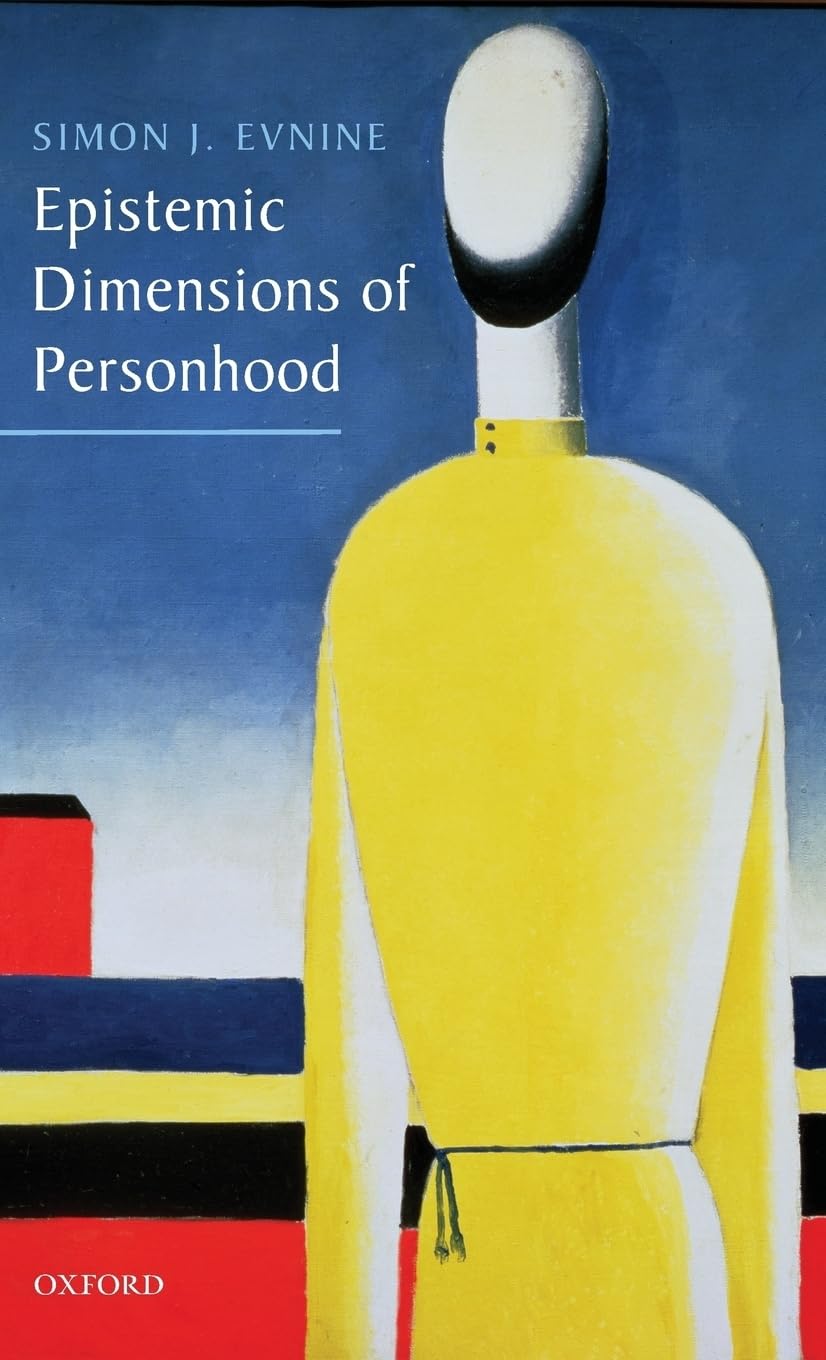
Simon Evnine examines various epistemic aspects of what it is to be a person. Persons are defined as finite beings that have beliefs, including secondorder beliefs about their own and others' beliefs, and engage in agency, including the making of longterm plans. It is argued that for any being meeting these conditions, a number of epistemic consequences obtain. First, all such beings must have certain logical concepts and be able to use them in certain ways. Secondly, there are at least two principles governing belief that it is rational for persons to satisfy and are such that nothing can be a person at all unless it satisfies them to a large extent. These principles are that one believe the conjunction of one's beliefs and that one treat one's future beliefs as, by and large, better than one's current beliefs. Thirdly, persons both occupy epistemic points of view on the world and show up within those views. This makes it impossible for them to be completely objective about their own beliefs. Ideals of rationality that require such objectivity, while not necessarily wrong, are intrinsically problematic for persons. This 'aspectual dualism' is characteristic of treatments of persons in the Kantian tradition. In sum, these epistemic consequences support a traditional view of the nature of persons, one in opposition to much recent theorizing.
⚠️ WARNING (California Proposition 65):
This product may contain chemicals known to the State of California to cause cancer, birth defects, or other reproductive harm.
For more information, please visit www.P65Warnings.ca.gov.