
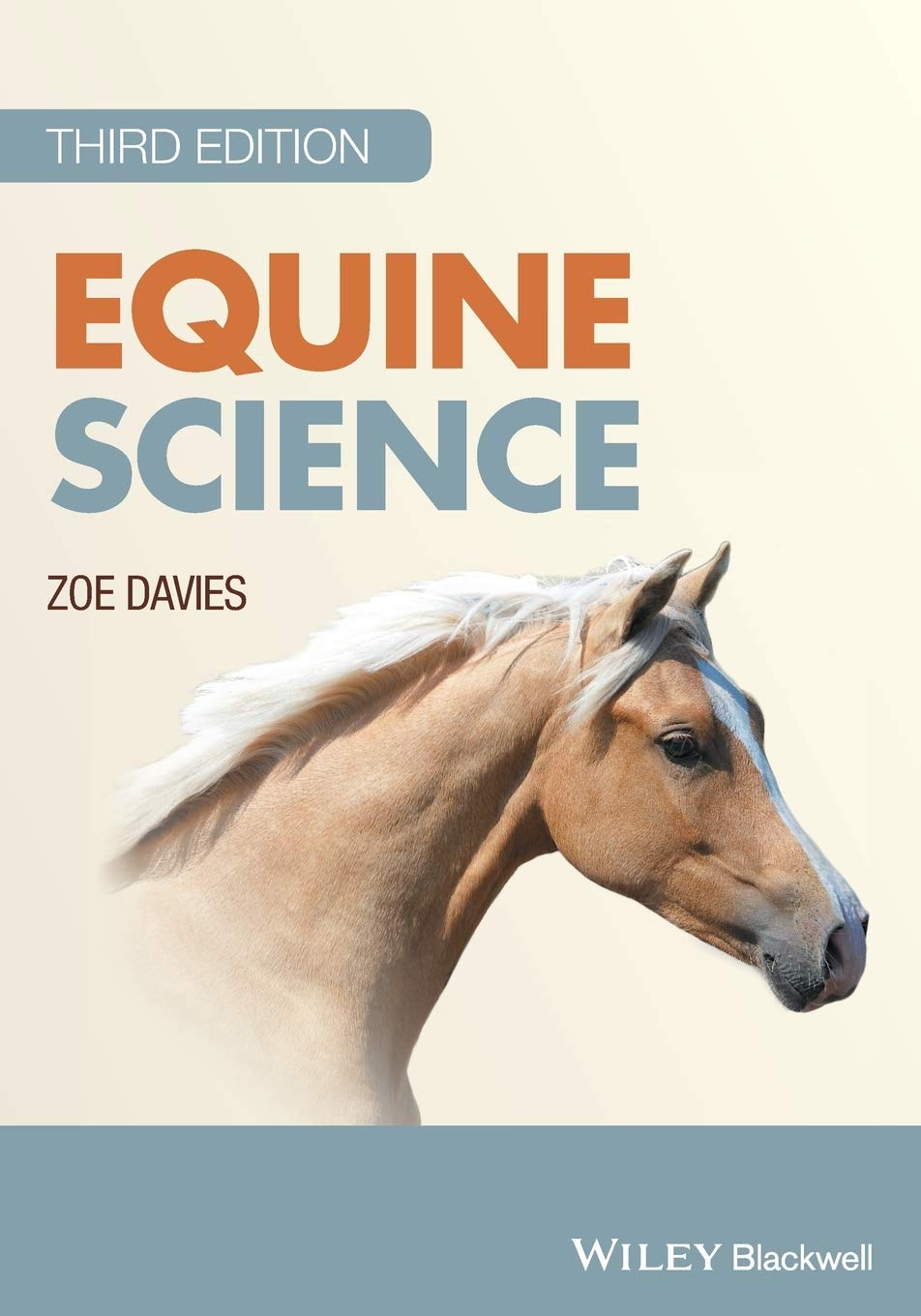
Title
Equine Science,Used
Sold by Ergodebooks, an authorized reseller.
Returns accepted within 30 days | support@ergodebooks.com
Shipping Information
- Free Standard Shipping — United States only
- Processing Time: 3–5 business days
- Estimated Delivery: 6–10 business days after dispatch
- Double-boxed, fully insured & discreetly packaged
- Tracking number sent via email once dispatched
Returns & Refund
Returns accepted within 30 days of delivery.
Damaged or Defective Item
Free return shipping + replacement or full refund
Wrong Item Received
Free return shipping + replacement or full refund
Change of Mind
Return shipping at customer's expense · 25% restocking fee applies
Payment Option

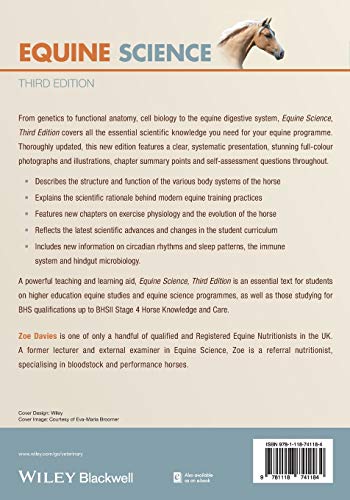
From genetics to functional anatomy, cell biology to the equine digestive system, Equine Science, Third Edition covers all the essential scientific knowledge you need for your equine programme. Thoroughly updated, this new edition features a clear, systematic presentation, stunning fullcolour photographs and illustrations, chapter summary points and selfassessment questions throughout. Describes the structure and function of the various body systems of the horse Explains the scientific rationale behind modern equine training practices Features new chapters on exercise physiology and the evolution of the horse Reflects the latest scientific advances and changes in the student curriculum Includes new information on circadian rhythms and sleep patterns, the immune system, and hindgut microbiology.A powerful teaching and learning aid, Equine Science, Third Edition is an essential text for students on higher education equine studies and equine science programmes, as well as those studying for BHS qualifications up to BHSII Stage 4 Horse Knowledge and Care.
⚠️ WARNING (California Proposition 65):
This product may contain chemicals known to the State of California to cause cancer, birth defects, or other reproductive harm.
For more information, please visit www.P65Warnings.ca.gov.
- Q: What is the page count of Equine Science? A: Equine Science has four hundred eighty pages. This extensive length encompasses detailed coverage of equine anatomy, biology, and training.
- Q: What is the binding type of the book? A: The book is paperback bound. This makes it lightweight and flexible for easy handling while studying.
- Q: What are the dimensions of Equine Science? A: The dimensions of the book are seven point zero one inches in length, one inch in width, and nine point nine inches in height. These measurements make it a practical size for both reading and storage.
- Q: Who is the author of Equine Science? A: The author of Equine Science is Zoe Davies. She brings her expertise to the book, ensuring comprehensive coverage of equine studies.
- Q: What topics does Equine Science cover? A: Equine Science covers topics including genetics, anatomy, cell biology, and the equine digestive system. It provides crucial knowledge for equine studies.
- Q: Is Equine Science suitable for beginners? A: Yes, Equine Science is suitable for beginners. The systematic presentation makes it accessible for students new to equine studies.
- Q: How can I use Equine Science effectively? A: To use Equine Science effectively, read chapter summaries and complete self-assessment questions. This will enhance your understanding of complex topics.
- Q: Is there a recommended reading level for Equine Science? A: Equine Science is recommended for higher education students. It is particularly useful for those in equine science programs or studying for BHS qualifications.
- Q: How should I store my copy of Equine Science? A: Store your copy of Equine Science in a cool, dry place. Keeping it away from direct sunlight will help preserve the quality of the pages and cover.
- Q: Does Equine Science have any safety concerns? A: No, Equine Science does not have any safety concerns. It is a textbook designed for educational purposes, with no hazardous materials.
- Q: What if my copy of Equine Science arrives damaged? A: If your copy of Equine Science arrives damaged, you should contact the seller for a return or exchange. Most sellers provide a clear return policy.
- Q: Can I find updated information in Equine Science? A: Yes, Equine Science includes the latest scientific advances and changes in the student curriculum. This ensures you receive current and relevant information.
- Q: What is the focus of the new chapters in Equine Science? A: The new chapters in Equine Science focus on exercise physiology and the evolution of the horse. This expands the book's coverage of equine science.
- Q: Are there illustrations in Equine Science? A: Yes, Equine Science features stunning full-color photographs and illustrations. These visuals enhance the learning experience by providing clear examples.
- Q: Is Equine Science helpful for BHS qualifications? A: Yes, Equine Science is helpful for BHS qualifications. It covers essential knowledge needed for BHSII Stage 4 Horse Knowledge and Care.
- Q: What unique topics are included in Equine Science? A: Equine Science includes unique topics such as circadian rhythms, sleep patterns, and hindgut microbiology. These aspects are crucial for understanding equine health.