
Title
Ethics For Public Communication,New
Sold by Ergodebooks, an authorized reseller.
Returns accepted within 30 days | support@ergodebooks.com
Shipping Information
- Free Standard Shipping — United States only
- Processing Time: 3–5 business days
- Estimated Delivery: 6–10 business days after dispatch
- Double-boxed, fully insured & discreetly packaged
- Tracking number sent via email once dispatched
Returns & Refund
Returns accepted within 30 days of delivery.
Damaged or Defective Item
Free return shipping + replacement or full refund
Wrong Item Received
Free return shipping + replacement or full refund
Change of Mind
Return shipping at customer's expense · 25% restocking fee applies
Payment Option

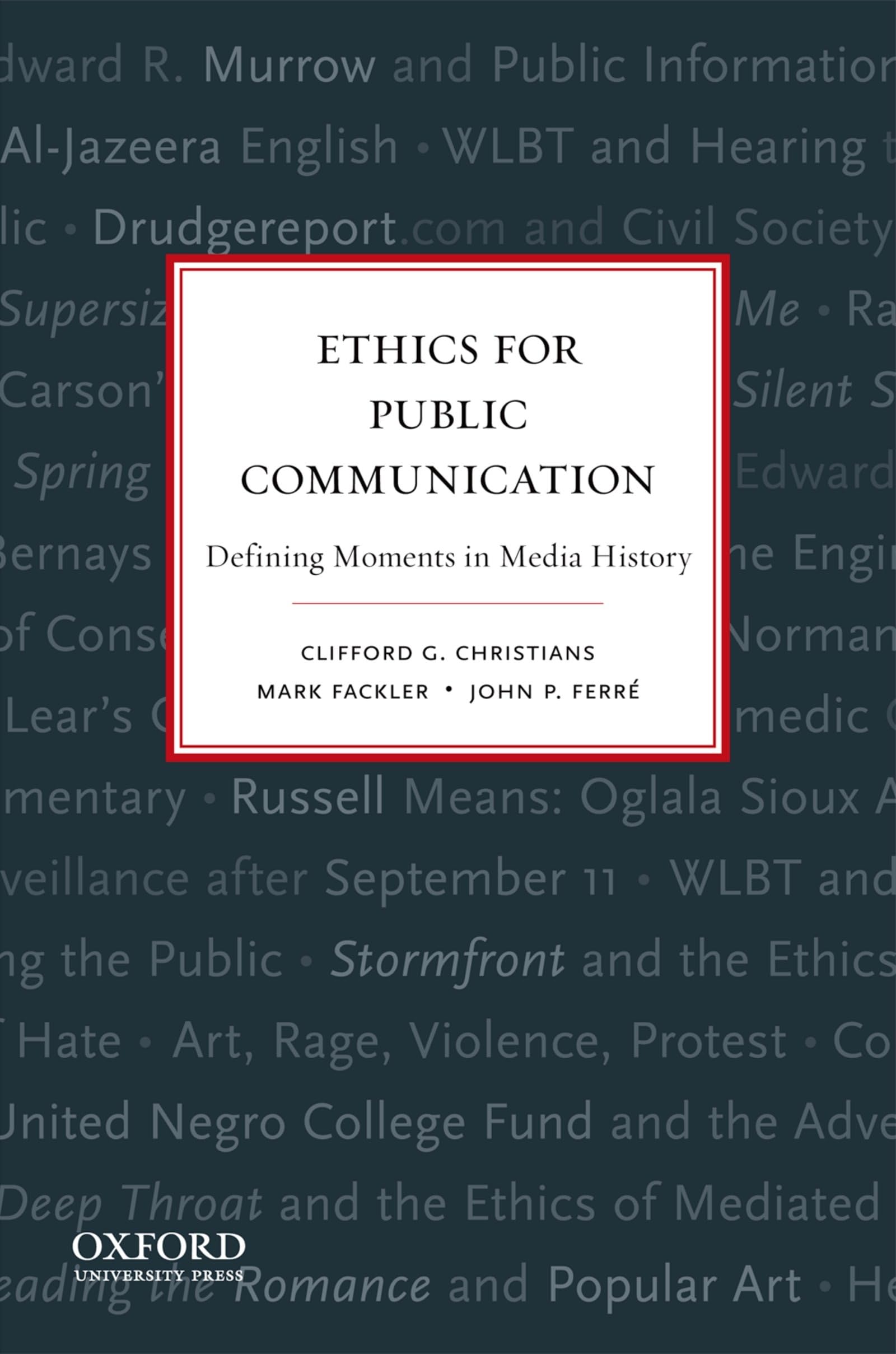
Focusing On One Historic Episode Per Chapter, Ethics For Public Communication Is Divided Into Three Parts, Each Dedicated To One Of The Three Major Functions Of The Media Within Democratic Societies: News, Persuasion, And Entertainment. Authors Clifford Christians, Mark Fackler, And John Ferr, Three Trusted Scholars In The Field, Discuss Media Ethics From A Communicative Perspective, Setting The Book Apart From Other Texts In The Market That Simply Combine Journalism With Libertarian Theory. Classic Media Ethics Cases, Like The Publication Of Rachel Carson'S 1962 Book Silent Spring, Are Covered In Tandem With Such Contemporary Cases As The Creation Of Aljazeera English And The Controversy Surrounding Icet'S Protest Song, 'Cop Killer.'Features A New 'Communitarian' Approach To Ethics That Breaks From Other Texts In The Discipline A Focus On Classic And Current Cases That Are Culturally Relevant Today A Thorough And Comprehensive Grounding In The Theory Of Media Ethics Longer And More Universal Case Studies Than Those Included In Other Texts, In Order To Provide More Reallife, Ethical Dilemmas
⚠️ WARNING (California Proposition 65):
This product may contain chemicals known to the State of California to cause cancer, birth defects, or other reproductive harm.
For more information, please visit www.P65Warnings.ca.gov.
- Q: How many pages does 'Ethics for Public Communication' have? A: This book has two hundred ninety-four pages. It covers various aspects of media ethics across multiple historical and contemporary case studies.
- Q: What are the dimensions of this book? A: The dimensions of this book are nine point twenty-one inches in length, six point fourteen inches in width, and zero point sixty-seven inches in height. These measurements make it a standard size for a paperback.
- Q: What binding type is used for 'Ethics for Public Communication'? A: This book is available in paperback binding. This type of binding is common for academic texts and makes the book more accessible.
- Q: Who are the authors of this book? A: The authors of 'Ethics for Public Communication' are Clifford Christians, Mark Fackler, and John Ferré. They are recognized scholars in the field of media ethics.
- Q: What is the primary subject of this book? A: The primary subject of this book is media ethics. It focuses on how media operates within democratic societies through news, persuasion, and entertainment.
- Q: How can I use this book for my studies? A: You can use this book as a resource for understanding media ethics in academic settings. Each chapter focuses on different historical cases, making it suitable for coursework or research.
- Q: Is this book suitable for beginners in media studies? A: Yes, this book is suitable for beginners. It provides a foundational understanding of media ethics through accessible case studies.
- Q: What age group is this book appropriate for? A: This book is appropriate for college students and adults. It tackles complex ethical dilemmas in media that require mature understanding.
- Q: How do I maintain this book in good condition? A: To keep this book in good condition, store it in a cool, dry place and avoid exposing it to direct sunlight. Handle it gently to prevent wear.
- Q: Are there any specific care instructions for this book? A: No specific care instructions are needed beyond standard book care. Avoid bending the spine and keep it away from moisture.
- Q: Can I return this book if I am not satisfied? A: Yes, you can return this book if you are not satisfied. Check the retailer's return policy for specific conditions and timelines.
- Q: What if the book arrives damaged? A: If the book arrives damaged, you should contact the seller for a replacement or refund. Most retailers have policies in place for such issues.
- Q: How does this book compare to others in the field of media ethics? A: This book offers a unique 'communitarian' approach to media ethics compared to others, which often focus solely on libertarian theories. It includes relevant case studies that enhance its applicability.
- Q: Is this book focused on contemporary media issues? A: Yes, this book addresses both classic and contemporary media issues. It covers relevant cases like Al-Jazeera English and modern ethical dilemmas.
- Q: Does this book cover case studies in depth? A: Yes, this book includes longer and more universal case studies. These provide thorough insights into real-life ethical dilemmas faced by media professionals.