
Title
Ethnic Identity In Tang China (Encounters With Asia),Used
Sold by Ergodebooks, an authorized reseller.
Returns accepted within 30 days | support@ergodebooks.com
Shipping Information
- Free Standard Shipping — United States only
- Processing Time: 3–5 business days
- Estimated Delivery: 6–10 business days after dispatch
- Double-boxed, fully insured & discreetly packaged
- Tracking number sent via email once dispatched
Returns & Refund
Returns accepted within 30 days of delivery.
Damaged or Defective Item
Free return shipping + replacement or full refund
Wrong Item Received
Free return shipping + replacement or full refund
Change of Mind
Return shipping at customer's expense · 25% restocking fee applies
Payment Option

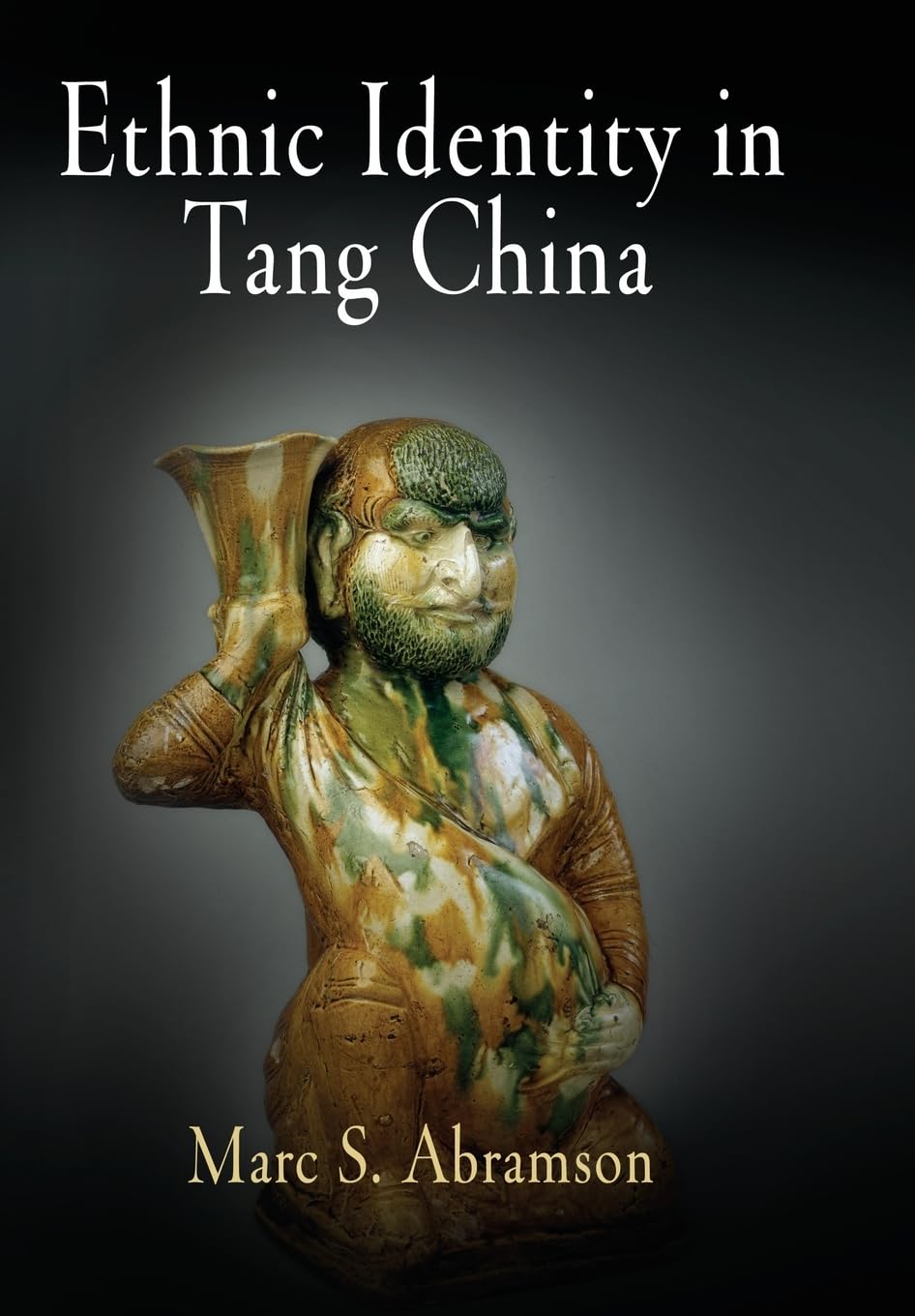
Ethnic Identity in Tang China is the first work in any language to explore comprehensively the construction of ethnicity during the dynasty that reigned over China for roughly three centuries, from 618 to 907. Often viewed as one of the most cosmopolitan regimes in China's past, the Tang had roots in Inner Asia, and its rulers continued to have complex relationships with a population that included Turks, Tibetans, Japanese, Koreans, Southeast Asians, Persians, and Arabs.Marc S. Abramson's rich portrait of this complex, multiethnic empire draws on political writings, religious texts, and other cultural artifacts, as well as comparative examples from other empires and frontiers. Abramson argues that various constituencies, ranging from Confucian elites to Buddhist monks to 'barbarian' generals, sought to define ethnic boundaries for various reasons but often in part out of discomfort with the ambiguity of their own ethnic and cultural identity. The Tang court, meanwhile, alternately sought to absorb some alien populations to preserve the empire's integrity while seeking to preserve the ethnic distinctiveness of other groups whose particular skills it valued. Abramson demonstrates how the Tang era marked a key shift in definitions of China and the Chinese people, a shift that ultimately laid the foundation for the emergence of the modern Chinese nation.Ethnic Identity in Tang China sheds new light on one of the most important periods in Chinese history. It also offers broader insights on East Asian and Inner Asian history, the history of ethnicity, and the comparative history of frontiers and empires.
⚠️ WARNING (California Proposition 65):
This product may contain chemicals known to the State of California to cause cancer, birth defects, or other reproductive harm.
For more information, please visit www.P65Warnings.ca.gov.