
Title
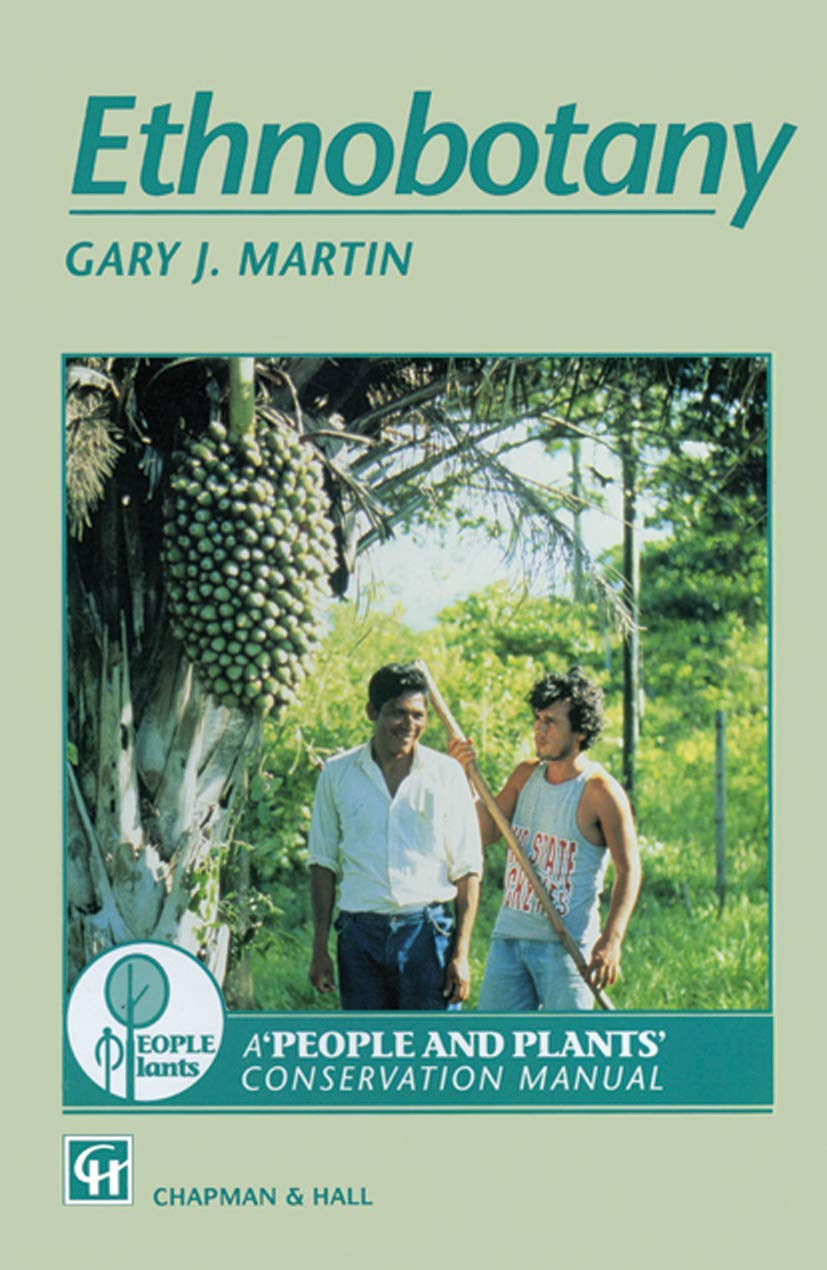
Ethnobotany: A methods manual (People and Plants' Conservation Manuals),Used
Sold by Ergodebooks, an authorized reseller.
Returns accepted within 30 days | support@ergodebooks.com
Shipping Information
- Free Standard Shipping — United States only
- Processing Time: 3–5 business days
- Estimated Delivery: 6–10 business days after dispatch
- Double-boxed, fully insured & discreetly packaged
- Tracking number sent via email once dispatched
Returns & Refund
Returns accepted within 30 days of delivery.
Damaged or Defective Item
Free return shipping + replacement or full refund
Wrong Item Received
Free return shipping + replacement or full refund
Change of Mind
Return shipping at customer's expense · 25% restocking fee applies
Payment Option

Ethnoecology has blossomed in recent years into an important science because of the realization that the vast body of knowledge contained in both indigenous and folk cultures is being rapidly lost as natural ecosystems and cultures are being destroyed by the encroachment of development. Ethnobotany and ethnozoology both began largely with direct observations about the ways in which people used plants and animals and consisted mainly of the compilation of lists. Recently, these subjects have adopted a much more scientific and quantitative methodology and have studied the ways in which people manage their environment and, as a consequence, have used a much more ecological approach. This manual of ethnobotanical methodology will become an essential tool for all ethnobiologists and ethnoecologists. It fills a significant gap in the literature and I only wish it had been available some years previously so that I could have given it to many of my students. I shall certainly recommend it to any future students who are interested in ethnoecology. I particularly like the sympathetic approach to local peoples which pervades this book. It is one which encourages the ethnobotanical work by both the local people themselves and by academically trained researchers. A study of this book will avoid many of the arrogant approaches of the past and encourage a fair deal for any group which is being studied. This manual promotes both the involvement oflocal people and the return to them of knowledge which has been studied by outsiders.
⚠️ WARNING (California Proposition 65):
This product may contain chemicals known to the State of California to cause cancer, birth defects, or other reproductive harm.
For more information, please visit www.P65Warnings.ca.gov.
- Q: What is the page count of this book? A: This book has two hundred ninety-six pages. It provides a comprehensive overview of ethnobotanical methodologies.
- Q: What is the binding type of this manual? A: The binding type is paperback. This makes it flexible and easy to handle for reading.
- Q: What are the dimensions of this book? A: The dimensions are six point one inches in length, zero point six seven inches in width, and nine point two five inches in height.
- Q: Who is the author of this book? A: The author is Gary J. Martin. He is known for his work in ethnobotany and ethnoecology.
- Q: What is the category of this book? A: The category is Movements and Periods. It focuses on the historical and cultural aspects of ethnobotany.
- Q: How do I apply the methodologies in this manual? A: You can apply the methodologies by engaging with local communities and studying plant and animal interactions within their environments.
- Q: Is this book suitable for beginners? A: Yes, this book is suitable for beginners. It provides foundational knowledge for those new to ethnobotany.
- Q: Can this manual be used for academic research? A: Yes, this manual is ideal for academic research. It offers scientific methodologies that can enhance ethnobiological studies.
- Q: Is this book appropriate for students? A: Yes, this book is appropriate for students. It serves as an essential tool for those studying ethnoecology.
- Q: How should I store this manual to keep it in good condition? A: Store the manual in a cool, dry place away from direct sunlight. This will help preserve its binding and pages.
- Q: What precautions should I take when handling this book? A: Handle the book with clean hands and avoid bending the spine to maintain its condition over time.
- Q: Does this book require special care? A: No, this book does not require special care. Normal handling and storage will suffice.
- Q: What if the book arrives damaged? A: If the book arrives damaged, you should contact the seller for a return or replacement. Always keep the original packaging.
- Q: Is there a warranty for this book? A: No, books typically do not come with a warranty. However, check with the seller for their return policy.
- Q: Can I return this manual if I'm not satisfied? A: Yes, you can return the manual if you are not satisfied, provided you follow the seller's return policy.
- Q: How do I contact support if I have issues with my order? A: You can contact the seller's customer support through their website or the platform where you made the purchase.