
Title
Ethnographic Sorcery,Used
Sold by Ergodebooks, an authorized reseller.
Returns accepted within 30 days | support@ergodebooks.com
Shipping Information
- Free Standard Shipping — United States only
- Processing Time: 3–5 business days
- Estimated Delivery: 6–10 business days after dispatch
- Double-boxed, fully insured & discreetly packaged
- Tracking number sent via email once dispatched
Returns & Refund
Returns accepted within 30 days of delivery.
Damaged or Defective Item
Free return shipping + replacement or full refund
Wrong Item Received
Free return shipping + replacement or full refund
Change of Mind
Return shipping at customer's expense · 25% restocking fee applies
Payment Option

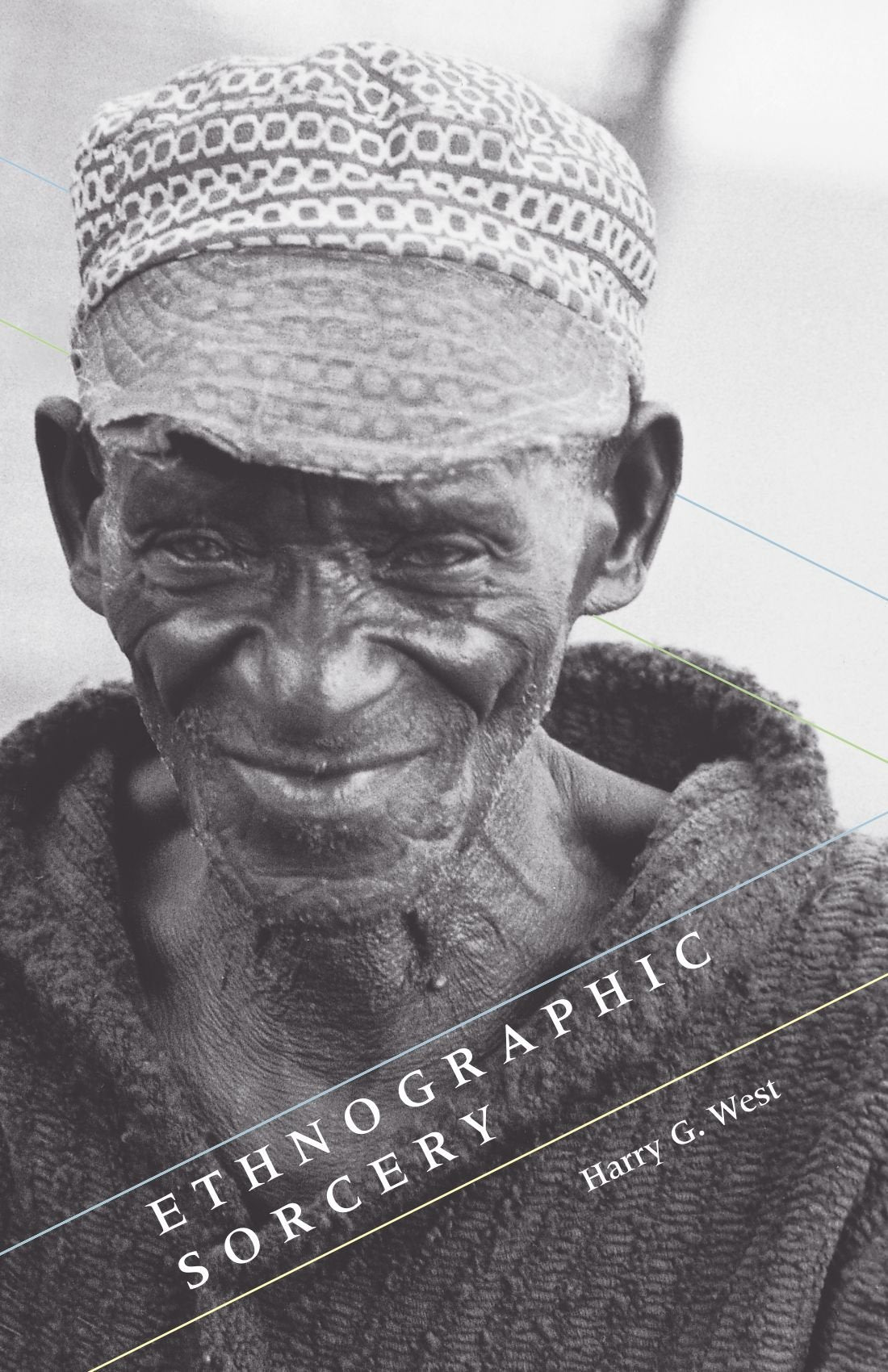
According to the people of the Mueda plateau in northern Mozambique, sorcerers remake the world by asserting the authority of their own imaginative visions of it. While conducting research among these Muedans, anthropologist Harry G. West made a revealing discoveryfor many of them, Wests efforts to elaborate an ethnographic vision of their world was itself a form of sorcery. In Ethnographic Sorcery, West explores the fascinating issues provoked by this equation.A key theme of Wests research into sorcery is that one sorcerers claims can be challenged or reversed by other sorcerers. After Wests attempt to construct a metaphorical interpretation of Muedan assertions that the lions prowling their villages are fabricated by sorcerers is disputed by his Muedan research collaborators, West realized that ethnography and sorcery indeed have much in common. Rather than abandoning ethnography, West draws inspiration from this connection, arguing that anthropologists, along with the people they study, can scarcely avoid interpreting the world they inhabit, and that we are all, inescapably, ethnographic sorcerers.
⚠️ WARNING (California Proposition 65):
This product may contain chemicals known to the State of California to cause cancer, birth defects, or other reproductive harm.
For more information, please visit www.P65Warnings.ca.gov.
- Q: What is the main topic of 'Ethnographic Sorcery'? A: 'Ethnographic Sorcery' explores the connection between ethnography and sorcery as experienced by the Mueda plateau community in Mozambique, focusing on how their imaginative visions shape their understanding of the world.
- Q: Who is the author of 'Ethnographic Sorcery'? A: The author of 'Ethnographic Sorcery' is Harry G. West, an anthropologist who conducted research among the Muedan people.
- Q: What themes are covered in 'Ethnographic Sorcery'? A: Key themes include the interplay between sorcery and ethnography, the authority of imaginative visions, and the ways in which one sorcerer's claims can be contested by others.
- Q: How many pages is the book 'Ethnographic Sorcery'? A: 'Ethnographic Sorcery' contains 128 pages.
- Q: What is the binding type of 'Ethnographic Sorcery'? A: The book is available in paperback binding.
- Q: When was 'Ethnographic Sorcery' published? A: 'Ethnographic Sorcery' was published on May 1, 2007.
- Q: What condition is the book 'Ethnographic Sorcery' in? A: 'Ethnographic Sorcery' is listed as new.
- Q: What insights does Harry G. West provide in this book? A: Harry G. West provides insights into the relationship between anthropological research and the cultural practices of the Muedan people, highlighting the complexities of narrative and authority in their worldview.
- Q: Is 'Ethnographic Sorcery' suitable for academic study? A: Yes, 'Ethnographic Sorcery' is suitable for academic study, particularly in fields like anthropology, cultural studies, and social sciences.
- Q: What is the significance of sorcery in the context of this book? A: The significance of sorcery in 'Ethnographic Sorcery' lies in its role as a metaphor for understanding cultural narratives and the power dynamics involved in interpreting reality.