
Title
Europe Through Arab Eyes, 15781727,Used
Sold by Ergodebooks, an authorized reseller.
Returns accepted within 30 days | support@ergodebooks.com
Shipping Information
- Free Standard Shipping — United States only
- Processing Time: 3–5 business days
- Estimated Delivery: 6–10 business days after dispatch
- Double-boxed, fully insured & discreetly packaged
- Tracking number sent via email once dispatched
Returns & Refund
Returns accepted within 30 days of delivery.
Damaged or Defective Item
Free return shipping + replacement or full refund
Wrong Item Received
Free return shipping + replacement or full refund
Change of Mind
Return shipping at customer's expense · 25% restocking fee applies
Payment Option

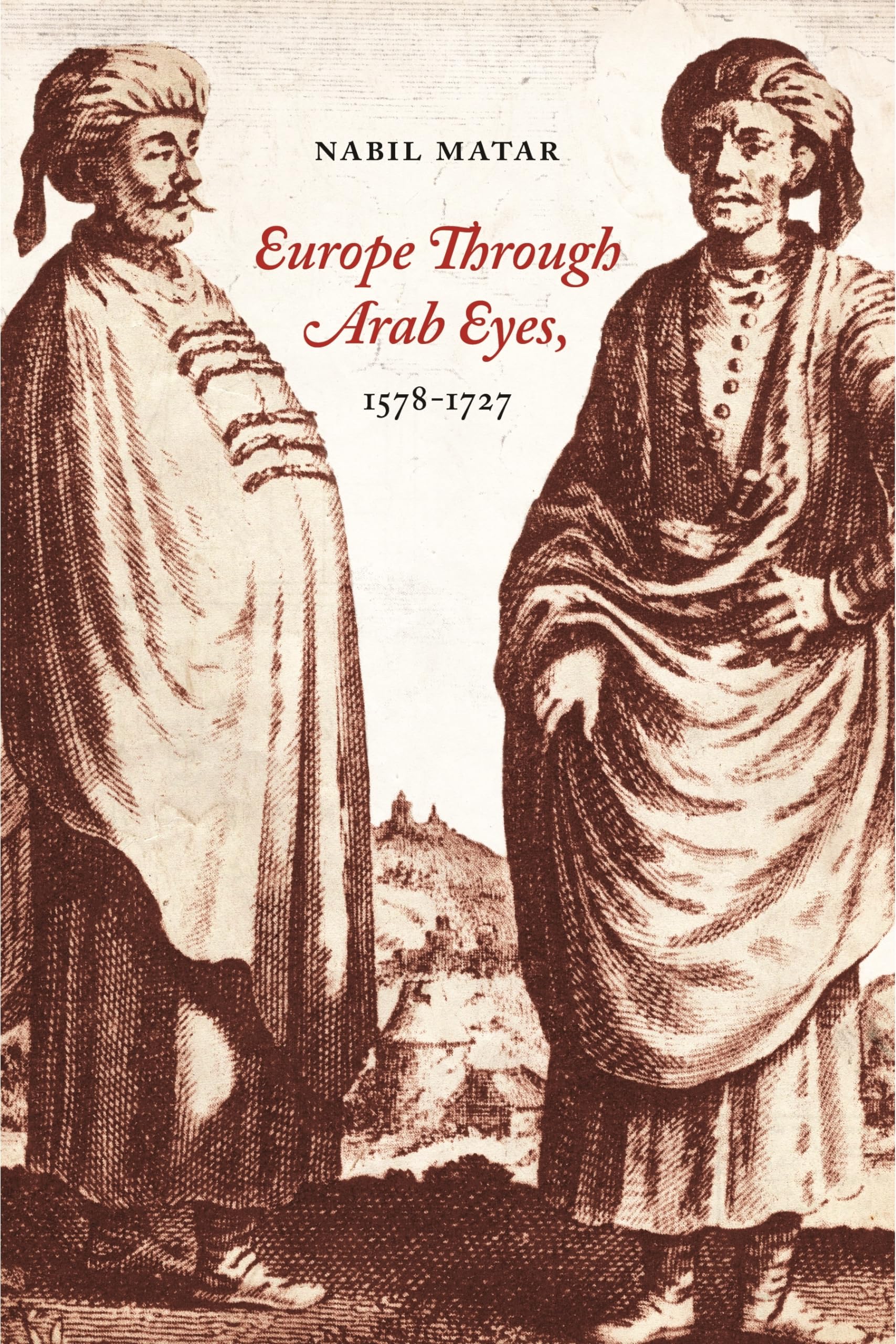
Traveling to archives in Tunisia, Morocco, France, and England, with visits to Egypt, Jordan, Lebanon, and Spain, Nabil Matar assembles a rare history of Europe's rise to power as seen through the eyes of those who were later subjugated by it. Many historians of the Middle East believe Arabs and Muslims had no interest in Europe during this period of Western discovery and empire, but in fact these groups were very much engaged with the naval and industrial development, politics, and trade of European Christendom.Beginning in 1578 with a major Moroccan victory over a Portuguese invading army, Matar surveys this early modern period, in which Europeans and Arabs often shared common political, commercial, and military goals. Matar concentrates on how Muslim captives, ransomers, traders, envoys, travelers, and rulers pursued those goals while transmitting to the nonprint cultures of North Africa their knowledge of the peoples and societies of Spain, France, Britain, Holland, Italy, and Malta. From the first nonEuropean description of Queen Elizabeth I to early accounts of Florence and Pisa in Arabic, from Tunisian descriptions of the Morisco expulsion in 1609 to the letters of a Moroccan Armenian ambassador in London, the translations of the book's second half draw on the popular and elite sources that were available to Arabs in the early modern period. Letters from male and female captives in Europe, chronicles of European naval attacks and the taqayid (newspaper) reports on Muslim resistance, and descriptions of opera and quinine appear here in English for the first time.Matar notes that the Arabs of the Maghrib and the Mashriq were eager to engage Christendom, despite wars and rivalries, and hoped to establish routes of trade and alliances through treaties and royal marriages. However, the rise of an intolerant and exclusionary Christianity and the explosion of European military technology brought these advances to an end. In conclusion, Matar details the decline of ArabIslamic power and the rise of Britain and France.
⚠️ WARNING (California Proposition 65):
This product may contain chemicals known to the State of California to cause cancer, birth defects, or other reproductive harm.
For more information, please visit www.P65Warnings.ca.gov.