
Title
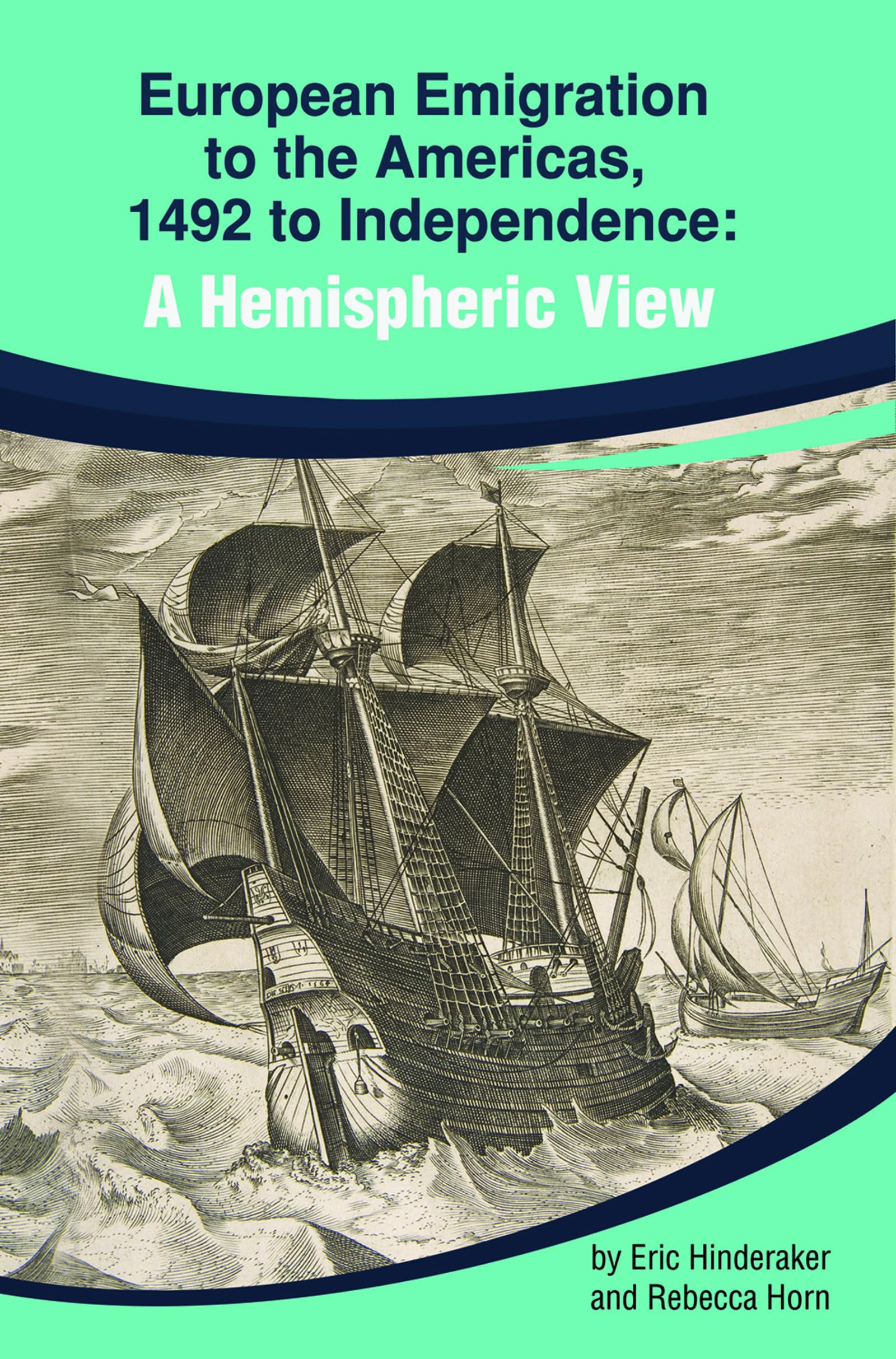
European Emigration to the Americas: 1492 to Independence: A Hemispheric View,Used
Sold by Ergodebooks, an authorized reseller.
Returns accepted within 30 days | support@ergodebooks.com
Shipping Information
- Free Standard Shipping — United States only
- Processing Time: 3–5 business days
- Estimated Delivery: 6–10 business days after dispatch
- Double-boxed, fully insured & discreetly packaged
- Tracking number sent via email once dispatched
Returns & Refund
Returns accepted within 30 days of delivery.
Damaged or Defective Item
Free return shipping + replacement or full refund
Wrong Item Received
Free return shipping + replacement or full refund
Change of Mind
Return shipping at customer's expense · 25% restocking fee applies
Payment Option

European colonization of the Americas was shaped by three mass demographic transformations: the catastrophic decline of Native American populations, the forced migration of enslaved Africans, and the mass relocation of European populations to American settings. This essay focuses on the third of these developments. While European emigration to the Americas can be seen as a single, widely differentiated but coherent whole, most scholarship treats it in fragments. We offer a hemispheric perspective on the process of European emigration, considering all of the Americas from 1492 until circa 1800, when most of the hemisphere was becoming independent of direct European rule. We argue that this migration unfolded in three long eras. The foundations of colonial enterprise were laid in the sixteenth century, especially in the two great population centers of the Americas, where the Aztecs and Incas had already established thriving empires. The seventeenth century saw a dramatic proliferation of colonial sites, widespread experimentation with new labor regimes and patterns of social organization, and an acceleration of transatlantic immigration. By the eighteenth century, the essential characteristics of the various colonies were becoming clear and many regions experienced growth and diversification as emigrants responded to new transatlantic opportunities.
⚠️ WARNING (California Proposition 65):
This product may contain chemicals known to the State of California to cause cancer, birth defects, or other reproductive harm.
For more information, please visit www.P65Warnings.ca.gov.