
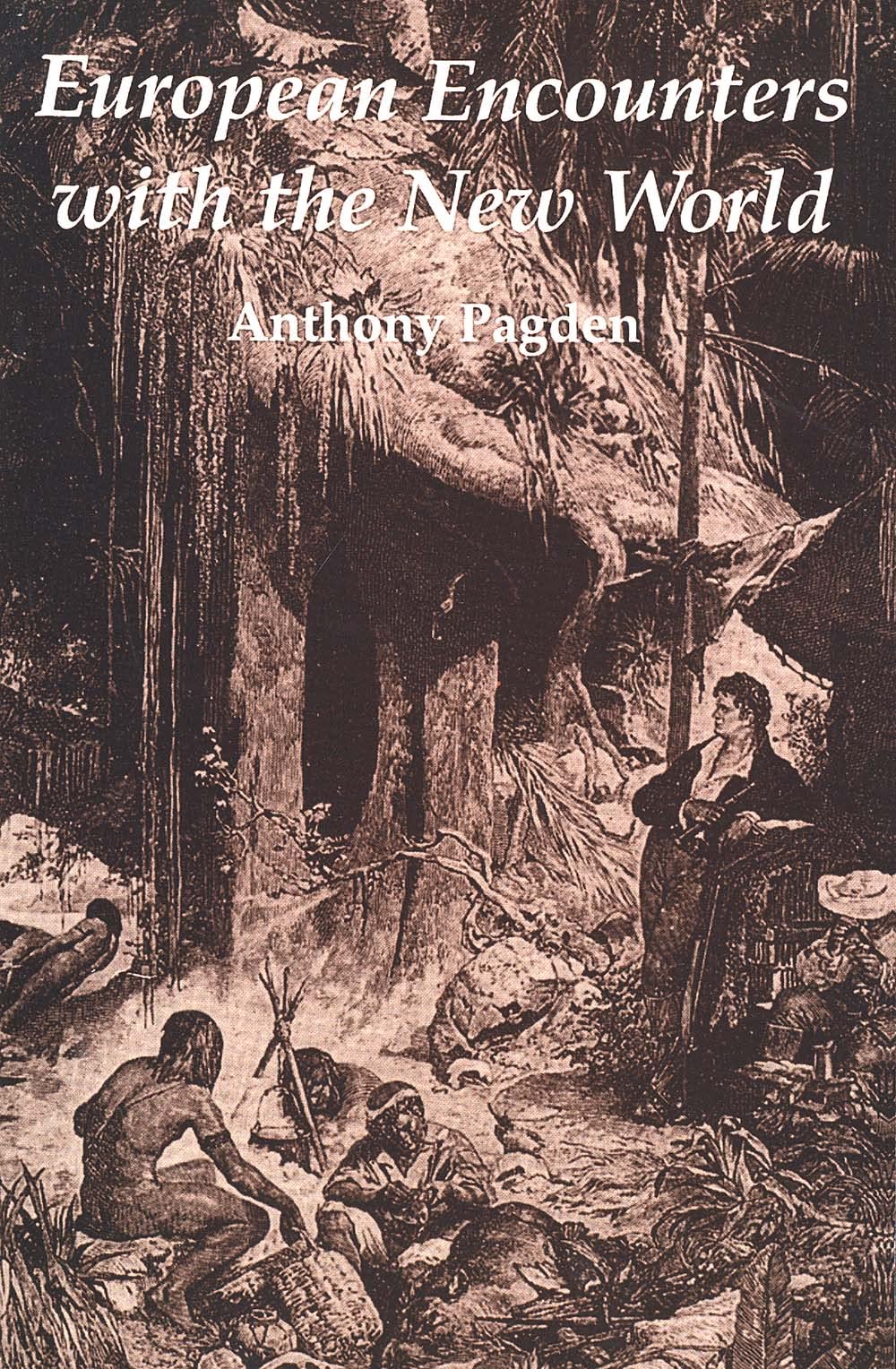
Title


European Encounters With The New World: From Renaissance To Romanticism
Sold by Ergodebooks, an authorized reseller.
Returns accepted within 30 days | support@ergodebooks.com
Shipping Information
- Free Standard Shipping — United States only
- Processing Time: 3–5 business days
- Estimated Delivery: 6–10 business days after dispatch
- Double-boxed, fully insured & discreetly packaged
- Tracking number sent via email once dispatched
Returns & Refund
Returns accepted within 30 days of delivery.
Damaged or Defective Item
Free return shipping + replacement or full refund
Wrong Item Received
Free return shipping + replacement or full refund
Change of Mind
Return shipping at customer's expense · 25% restocking fee applies
Payment Option

For More Than Three Centuries After Columbus'S Voyages To America, Europeans Pondered How The Old World'S Encounters With The New World Affected European Sensibilities And Intellectual Horizons. In This Book Anthony Pagden Examines Some Of The Varied Ways In Which Europeans Interpreted These Encounters With America.Pagden Explores The Strategies Used By Columbus And The Early Chroniclers Of America To Describe A Continent And Its Inhabitants So Deeply Unfamiliar To Europeans That They Seemed Hardly To Be Real. He Looks At How, In The Seventeenth And Eighteenth Centuries, Europeans Reacted In Different Ways To These Descriptions. Some, Like The Prussian Explorer And Naturalist Alexander Von Humboldt, Declared That Scientific Understanding Before The Oceanic Voyages Had Advanced By Slow Steps And That The Encounter With America Had Invigorated Europeans To Make New Discoveries In Many Directions At Once. Other Europeans, Particularly Enlightenment And Romantic Figures, Argued Fiercely Against The Whole Process Of Colonization And Acculturation In The Americas. French Philosophe Denis Diderot, For Example, Felt That The European Experience Of America Had Led To An Increased Familiarity With All That Was Potentially Strange And Unusualthe Creation Of A Global Villageand That This Had Resulted In A Steady Decline In That Sense Of Wonder That Was The Principal Incentive For All Scientific Inquiry. The German Philosopher Johann Gottfried Herder Proposed That All Cultures Must Recognize Their Essential Alienness And That The Single World Culture That Colonization And Commerce Had Helped To Create Must Be Allowed To Revert To Its Natural Condition Of Plurality. In An Exploration Of These And Other Responses, Pagden Throws A Vivid New Light On The Intellectual Consequences Of Europe'S Encounter With The Americas.
⚠️ WARNING (California Proposition 65):
This product may contain chemicals known to the State of California to cause cancer, birth defects, or other reproductive harm.
For more information, please visit www.P65Warnings.ca.gov.
- Q: What is the page count of the book? A: The book has two hundred sixteen pages. This length provides a comprehensive exploration of European encounters with the New World.
- Q: What is the binding type of this book? A: The book is paperback bound. This makes it lightweight and portable, ideal for casual reading.
- Q: What are the dimensions of the book? A: The book measures six point fourteen inches in length, zero point seventy-six inches in width, and nine point twenty-one inches in height. These dimensions make it easy to handle.
- Q: Who is the author of 'European Encounters with the New World'? A: The author is Anthony Pagden. He is known for his insightful analyses of historical encounters.
- Q: What genre does this book belong to? A: This book falls under the World history genre. It discusses the intellectual and cultural impacts of European exploration.
- Q: Is this book suitable for academic study? A: Yes, it is suitable for academic study. The book provides critical insights and analyses relevant to history and cultural studies.
- Q: What themes are explored in this book? A: The book explores themes of colonization, cultural exchange, and intellectual responses to the New World. These themes are discussed through various historical perspectives.
- Q: How does the author approach the topic of colonization? A: Anthony Pagden examines different European perspectives on colonization. He highlights both support and opposition to the process of acculturation in the Americas.
- Q: What is the target audience for this book? A: The target audience includes scholars, students, and anyone interested in European history. It is particularly relevant for those studying colonialism and cultural interactions.
- Q: How should I store this book to keep it in good condition? A: Store the book in a cool, dry place away from direct sunlight. This will help preserve the cover and pages over time.
- Q: Can I clean the book if it gets dirty? A: Yes, you can clean the book. Use a soft, dry cloth to gently wipe the cover and avoid using liquids that might damage the pages.
- Q: What if the book arrives damaged? A: If the book arrives damaged, you can contact the seller for a return or exchange. Most sellers have return policies in place for such situations.
- Q: Is there a warranty for this book? A: No, books typically do not come with a warranty. However, you can check the seller's return policy for any issues.
- Q: How do I know if this book is right for my interests? A: Consider your interest in European history and cultural studies. If you enjoy exploring historical perspectives on colonization, this book is likely a good fit.
- Q: What should I do if I have questions about the book after purchase? A: If you have questions after purchase, consult the publisher's website or contact customer service for assistance. They can provide additional information.
- Q: Is this book appropriate for young readers? A: This book is primarily aimed at adults and students. Its complex themes may not be suitable for younger readers without guidance.