If you have any questions, you are always welcome to contact us. We'll get back to you as soon as possible, withing 24 hours on weekdays.
Customer service
All questions about your order, return and delivery must be sent to our customer service team by e-mail at yourstore@yourdomain.com
Sale & Press
If you are interested in selling our products, need more information about our brand or wish to make a collaboration, please contact us at press@yourdomain.com
Help
If you have any questions, you are always welcome to contact us. We'll get back to you as soon as possible, withing 24 hours on weekdays.
Customer service
All questions about your order, return and delivery must be sent to our customer service team by e-mail at yourstore@yourdomain.com
Sale & Press
If you are interested in selling our products, need more information about our brand or wish to make a collaboration, please contact us at press@yourdomain.com
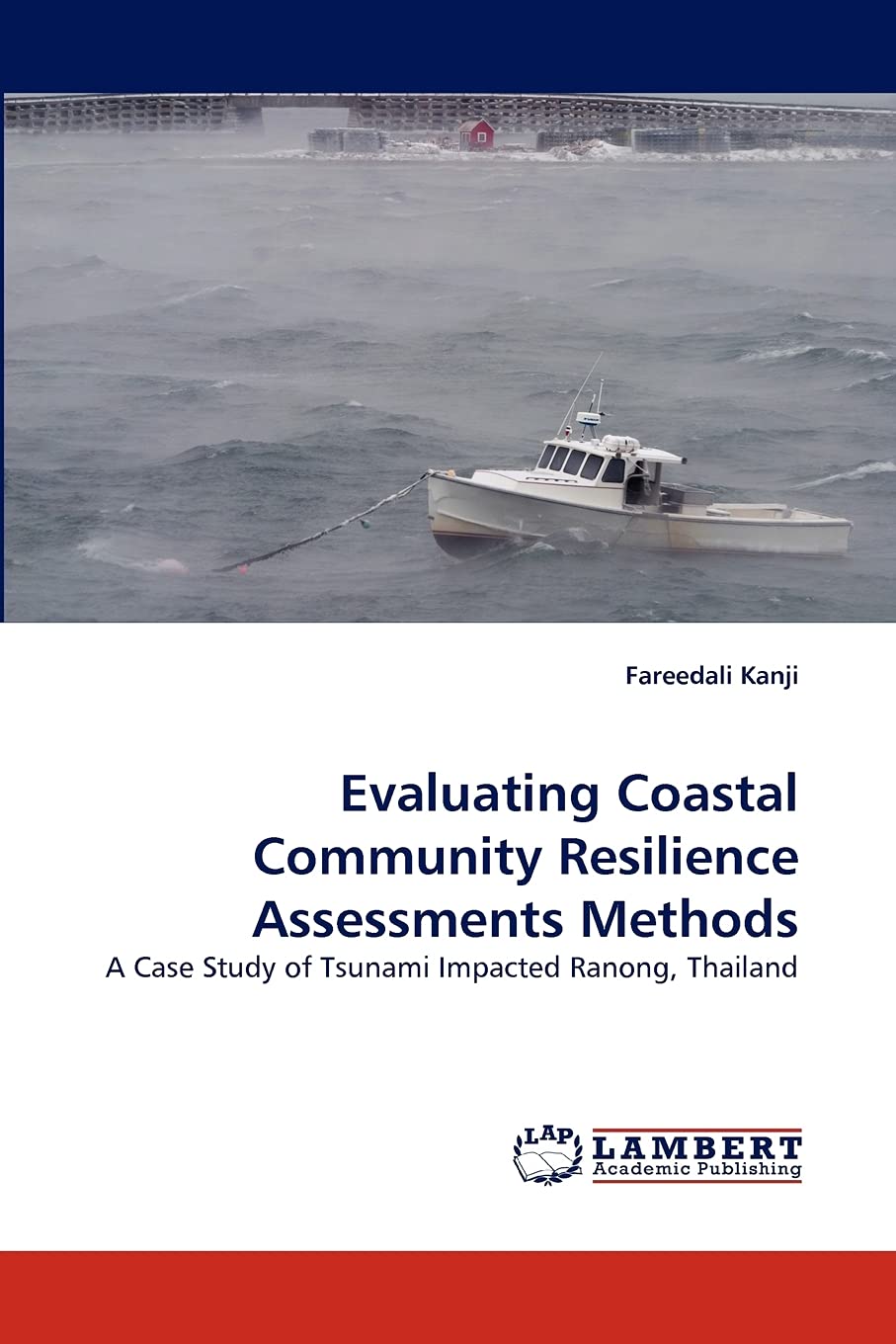
Major disaster events over the last decade has reignited the concept of community resilience (CCR), and in particular coastal CR (CCR). A community's resilience to natural hazards is manifested in its ability to prepare for impending hazards, recover from resulting disasters and mitigate against future hazards. This has lead to numerous organisations to develop CR assessment tools. Concerns raised are related to the hazards assessed, geographic scale of the assessment, source of information and the composition of the resilience scoring team. The results of this study revealed that CCR assessments should be conducted at a geographic scale that reflects the unique characteristics of the communities, empower the local people to participate in order to promote a greater success of resilience enhancing programmes, include all natural hazards threatening a community to effectively reduce its vulnerability, and should be done by a team of individuals who are not stakeholders of the community being assessed to reduce biases and should be consistent for all assessments of a community to ensure comparability. Practitioners of CCR would be benefited by considering these factors carefully.
⚠️ WARNING (California Proposition 65):
This product may contain chemicals known to the State of California to cause cancer,
birth defects, or other reproductive harm.
For MAP (Minimum Advertised Price) violations and Intellectual Property (IP) or Trademark concerns, please contact:
support@ergodebooks.com
⚠️ California Proposition 65 Warning: Some products sold on this website may expose you to chemicals known to the State of California to cause cancer, birth defects, or other reproductive harm. For more information, visit www.P65Warnings.ca.gov.