
Title
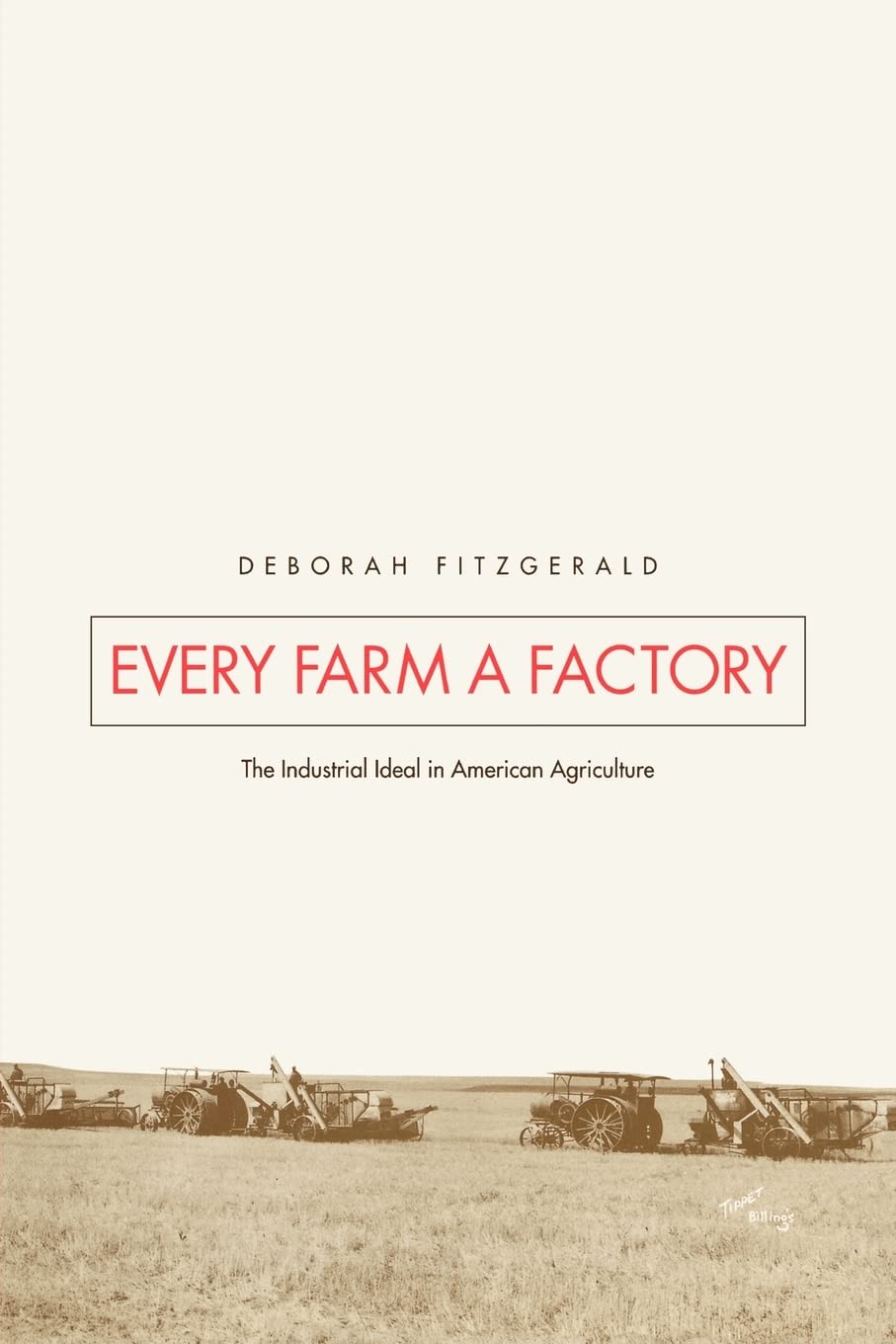
Every Farm A Factory: The Industrial Ideal In American Agriculture (Yale Agrarian Studies Series)
Sold by Ergodebooks, an authorized reseller.
Returns accepted within 30 days | support@ergodebooks.com
Shipping Information
- Free Standard Shipping — United States only
- Processing Time: 3–5 business days
- Estimated Delivery: 6–10 business days after dispatch
- Double-boxed, fully insured & discreetly packaged
- Tracking number sent via email once dispatched
Returns & Refund
Returns accepted within 30 days of delivery.
Damaged or Defective Item
Free return shipping + replacement or full refund
Wrong Item Received
Free return shipping + replacement or full refund
Change of Mind
Return shipping at customer's expense · 25% restocking fee applies
Payment Option

During The Early Decades Of The Twentieth Century, Agricultural Practice In America Was Transformed From A Preindustrial To An Industrial Activity. In This Book Deborah Fitzgerald Argues That Farms Became Modernized In The 1920S Because They Adopted Not Only New Machinery But Also The Financial, Cultural, And Ideological Apparatus Of Industrialism.Fitzgerald Examines How Bankers And Emerging Professionals In Engineering And Economics Pushed For Systematic, Businesslike Farming. She Discusses How Factory Practices Served As A Template For The Creation Across The Country Of Industrial Or Corporate Farms. She Looks At How Farming Was Affected By This Revolution And Concludes By Following Several Agricultural Enthusiasts To The Soviet Union, Where The Lessons Of Industrial Farming Were Studied.
⚠️ WARNING (California Proposition 65):
This product may contain chemicals known to the State of California to cause cancer, birth defects, or other reproductive harm.
For more information, please visit www.P65Warnings.ca.gov.
- Q: How many pages does this book have? A: This book contains two hundred fifty-six pages. It offers a comprehensive exploration of industrial practices in American agriculture.
- Q: What type of binding does this book have? A: The book is paperback bound. This binding type is lightweight and flexible, making it easy to handle.
- Q: What are the dimensions of this book? A: The book measures nine point zero two inches in length, six inches in width, and zero point five nine inches in height. These dimensions make it a portable read.
- Q: How can I use this book effectively? A: You can read this book to gain insights into the transformation of agriculture in America. It is suitable for students, scholars, and anyone interested in agricultural history.
- Q: Is this book suitable for beginners? A: Yes, this book is suitable for beginners. It provides a clear analysis of complex themes related to industrial agriculture.
- Q: What is the target audience for this book? A: The target audience includes students, researchers, and professionals in environmental economics and agricultural studies. It appeals to those interested in historical transformations in agriculture.
- Q: How should I store this book to keep it in good condition? A: Store this book in a cool, dry place, upright on a shelf. Avoid direct sunlight to prevent fading and damage to the cover.
- Q: Are there any special care instructions for this book? A: No special care instructions are needed. Just ensure it is kept away from moisture and extreme temperatures.
- Q: Can I safely lend this book to others? A: Yes, you can lend this book. Just ensure it is returned in good condition to maintain its quality.
- Q: What if my book arrives damaged? A: If your book arrives damaged, you should contact the seller for a return or exchange. Most sellers offer customer service to address such issues.
- Q: What is the return policy for this book? A: The return policy typically allows returns within thirty days of purchase. Check with the seller for specific details.
- Q: Is there a warranty on this book? A: No, books typically do not come with a warranty. However, you can inquire about return policies for defective copies.
- Q: How do I properly dispose of this book if needed? A: If you need to dispose of this book, consider recycling it. Many local libraries also accept book donations in good condition.
- Q: How does this book compare to others in its genre? A: This book offers a unique perspective on environmental economics compared to others. It focuses specifically on the industrialization of agriculture.
- Q: Is this book suitable for academic research? A: Yes, this book is suitable for academic research. It provides valuable insights and references for those studying agricultural practices.