
Title
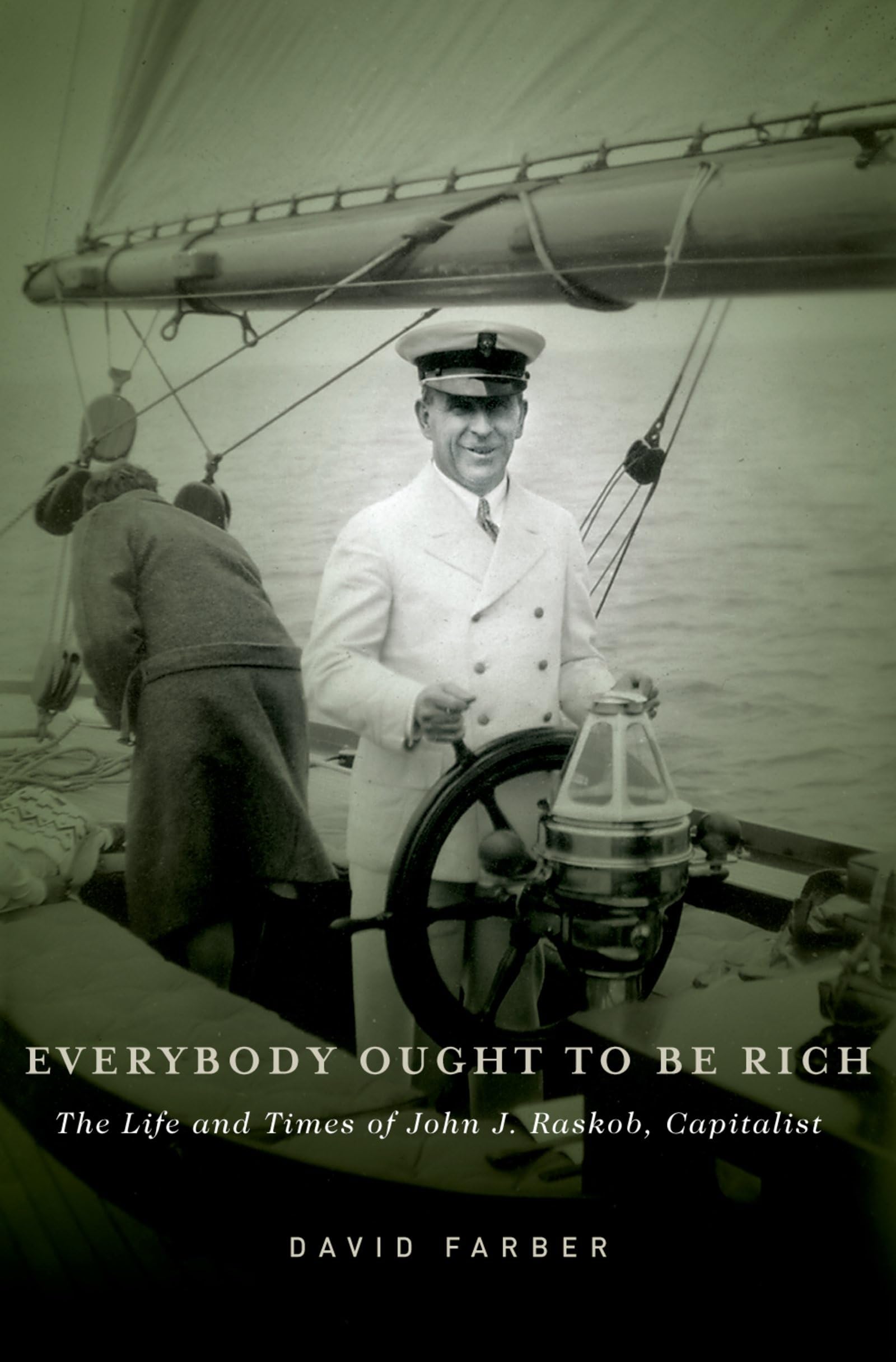
Everybody Ought to Be Rich: The Life and Times of John J. Raskob, Capitalist,Used
Sold by Ergodebooks, an authorized reseller.
Returns accepted within 30 days | support@ergodebooks.com
Shipping Information
- Free Standard Shipping — United States only
- Processing Time: 3–5 business days
- Estimated Delivery: 6–10 business days after dispatch
- Double-boxed, fully insured & discreetly packaged
- Tracking number sent via email once dispatched
Returns & Refund
Returns accepted within 30 days of delivery.
Damaged or Defective Item
Free return shipping + replacement or full refund
Wrong Item Received
Free return shipping + replacement or full refund
Change of Mind
Return shipping at customer's expense · 25% restocking fee applies
Payment Option

Today, consumer credit, employee stock options, and citizen investment in the stock market are taken for grantedfundamental facts of American economic life. But few people realize that they were first widely promoted by John Jakob Raskob (18791950), the innovative financier and selfmade businessman who built the Empire State building, made millions for DuPont and General Motors, and helped shape the contours of modern capitalism.David Farber's Everybody Ought to Be Rich is the first biography of Raskob, a man who shunned the limelight (he was the antiTrump of his time) but whose impact on free market enterprise can hardly be overstated. A colorful figure, Raskob's life evokes the roaring twenties, the Catholic elite, the boardrooms of America's biggest corporations, and the ragstoriches tale that is central to the American dream. Farber follows Raskob's remarkable trajectory from a teenage candy seller on the railway between Lockport and Buffalo to the pinnacles of wealth and power. With no formal education but possessed of a boundless energy and an unshakeable faith in individual initiative (his motto was "Go ahead and do something!"), Raskob partnered with great industrialists and financiers, buying up companies, leveraging investments, reorganizing corporations, funneling money into the political system, and creating new pools of credit for rich investors and middle class consumers alikepractices commonplace today but revolutionary at the time. His most famous innovation was mass consumer credit, which he offered to individual car buyers, enabling working and middleclass Americans to purchase GM's more expensive cars. Raskob desperately wanted to bridge class divides and to share the wealth American corporations were fast creatingso that everyone could be rich.Chronicling Raskob's shortcomings as well as his successes, Everybody Ought to Be Rich illuminates a crucial but littleknown figure in American capitalism whose influence can still be felt today.
⚠️ WARNING (California Proposition 65):
This product may contain chemicals known to the State of California to cause cancer, birth defects, or other reproductive harm.
For more information, please visit www.P65Warnings.ca.gov.