
Title
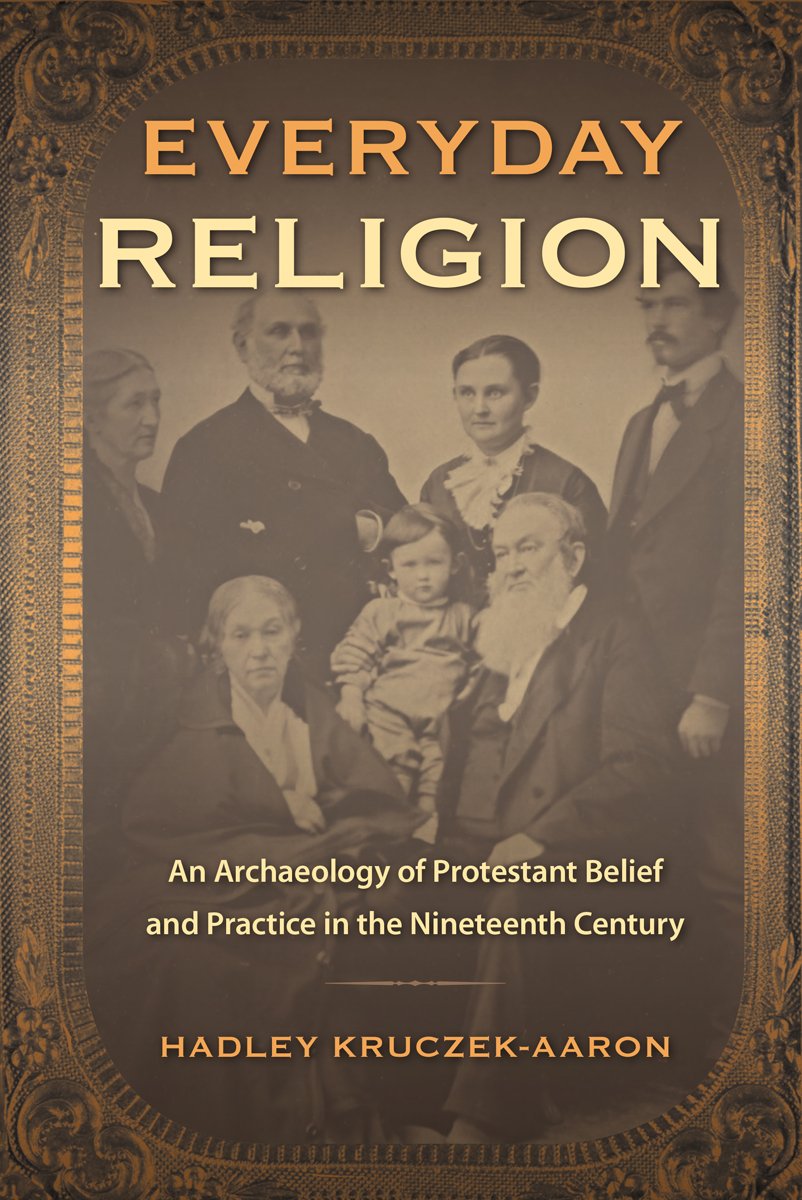
Everyday Religion: An Archaeology Of Protestant Belief And Practice In The Nineteenth Century (Copublished With The Society For,Used
Sold by Ergodebooks, an authorized reseller.
Returns accepted within 30 days | support@ergodebooks.com
Shipping Information
- Free Standard Shipping — United States only
- Processing Time: 3–5 business days
- Estimated Delivery: 6–10 business days after dispatch
- Double-boxed, fully insured & discreetly packaged
- Tracking number sent via email once dispatched
Returns & Refund
Returns accepted within 30 days of delivery.
Damaged or Defective Item
Free return shipping + replacement or full refund
Wrong Item Received
Free return shipping + replacement or full refund
Change of Mind
Return shipping at customer's expense · 25% restocking fee applies
Payment Option

A model for researching how religion shaped daily life that helps move the archaeology of religion beyond houses of worship and places of burial.Richard F. Veit, author of Digging New Jerseys Past: Historical Archaeology in the Garden StateDemonstrates convincingly that religious ideologyspecifically a lifestyle of temperance and simplicity as advocated by evangelical Christianswas an important factor in the household consumption decisions in a small community in New York.Charles LeeDecker, Historic Preservation archaeologistIn the early nineteenth century, antebellum America witnessed a Second Great Awakening led by evangelical Protestants who gathered in revivals and contributed to the blossoming of social movements throughout the country. Preachers and reformers promoted a Christian lifestyle, and evangelical fervor overtook entire communities. One such community in Smithfield, New York, led by activist Gerrit Smith, is the focus of Hadley KruczekAarons study.Investigating the wealthy Smith familys material worldsmeals, attire, and domestic waresKruczekAaron reveals how they engaged their beliefs to maintain a true Christian home. While Smith spread his practice of lived religion to the surrounding neighborhood, incongruities between his faith and his practice of that faith surface in the study, demonstrating the trials he and all converts faced while striving to lead a virtuous life.Everyday Religion reveals how Second Great Awakening ideals affected consumption and daily life as much as socioeconomic status, purchasing power, access to markets, and other social factors. Class, gender, ethnicity, and race further influenced the actions of devout individuals and continue to shape how the history of religion and reform is presented and commemorated today.
⚠️ WARNING (California Proposition 65):
This product may contain chemicals known to the State of California to cause cancer, birth defects, or other reproductive harm.
For more information, please visit www.P65Warnings.ca.gov.