
Title
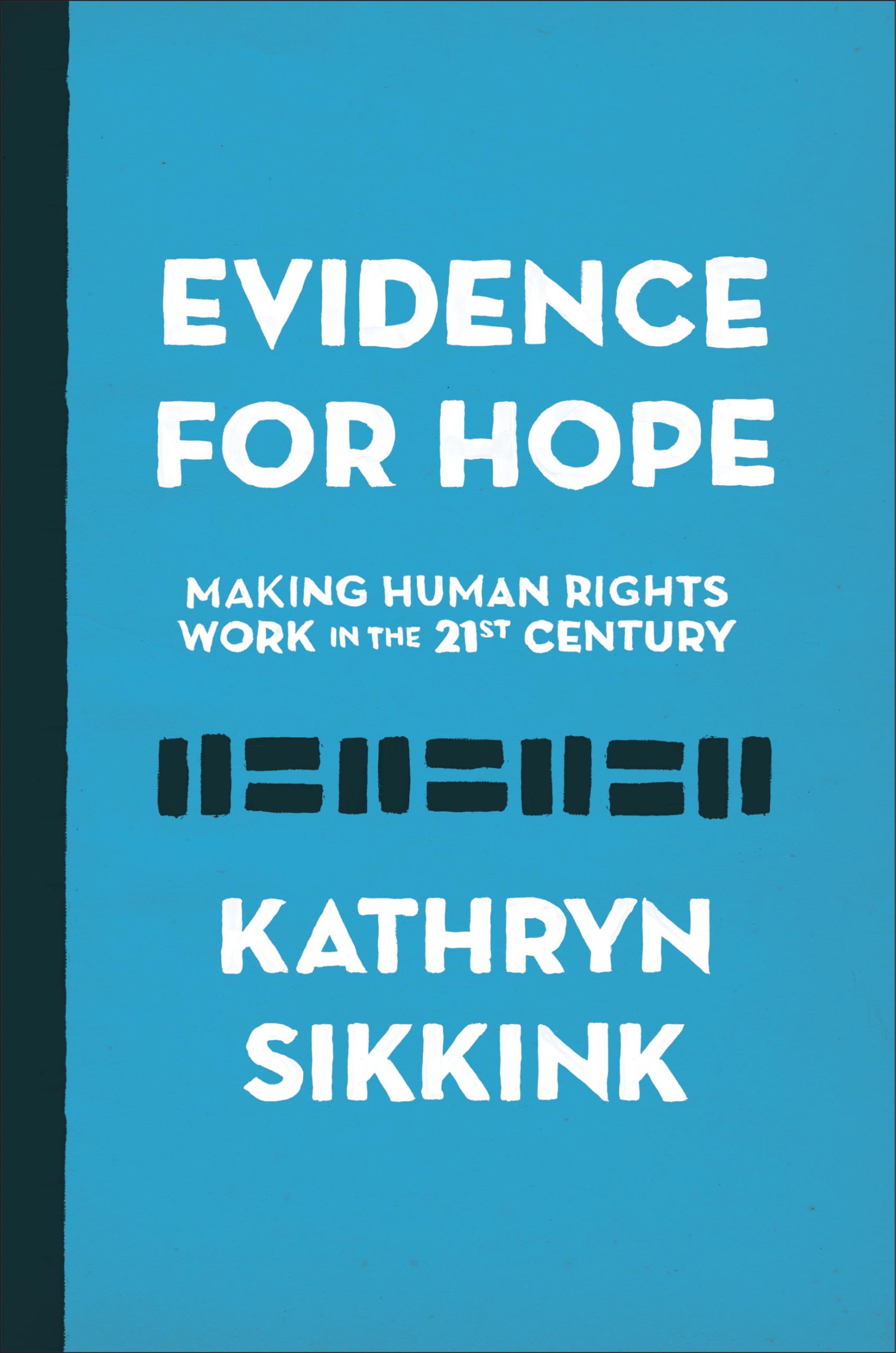
Evidence For Hope: Making Human Rights Work In The 21St Century (Human Rights And Crimes Against Humanity),New
Sold by Ergodebooks, an authorized reseller.
Returns accepted within 30 days | support@ergodebooks.com
Shipping Information
- Free Standard Shipping — United States only
- Processing Time: 3–5 business days
- Estimated Delivery: 6–10 business days after dispatch
- Double-boxed, fully insured & discreetly packaged
- Tracking number sent via email once dispatched
Returns & Refund
Returns accepted within 30 days of delivery.
Damaged or Defective Item
Free return shipping + replacement or full refund
Wrong Item Received
Free return shipping + replacement or full refund
Change of Mind
Return shipping at customer's expense · 25% restocking fee applies
Payment Option

A History Of The Successes Of The Human Rights Movement And A Case For Why Human Rights Workevidence For Hope Makes The Case That, Yes, Human Rights Work. Critics May Counter That The Movement Is In Serious Jeopardy Or Even A Questionable Byproduct Of Western Imperialism. They Point Out That Guantnamo Is Still Open, The Arab Spring Protests Have Been Crushed, And Governments Are Cracking Down On Ngos Everywhere. But Respected Human Rights Expert Kathryn Sikkink Draws On Decades Of Research And Fieldwork To Provide A Rigorous Rebuttal To Pessimistic Doubts About Human Rights Laws And Institutions. She Demonstrates That Change Comes Slowly And As The Result Of Struggle, But In The Long Term, Human Rights Movements Have Been Vastly Effective.Attacks On The Human Rights Movements Credibility Are Based On The Faulty Premise That Human Rights Ideas Emerged In North America And Europe And Were Imposed On Developing Southern Nations. Starting In The 1940S, Latin American Leaders And Activists Were Actually Early Advocates For The International Protection Of Human Rights. Sikkink Shows That Activists And Scholars Disagree About The Efficacy Of Human Rights Because They Use Different Yardsticks To Measure Progress. Comparing The Present To The Past, She Shows That Genocide And Violence Against Civilians Have Declined Over Time, While Access To Healthcare And Education Has Increased Dramatically. Cognitive And News Biases Contribute To Pervasive Cynicism, But Sikkinks Investigation Into Past And Current Trends Indicates That Human Rights Is Not In Its Twilight. Instead, This Is A Period Of Vibrant Activism That Has Made Impressive Improvements In Human Wellbeing.Exploring The Strategies That Have Led To Real Humanitarian Gains Since The Middle Of The Twentieth Century, Evidence For Hope Looks At How These Essential Advances Can Be Supported And Sustained For Decades To Come.
⚠️ WARNING (California Proposition 65):
This product may contain chemicals known to the State of California to cause cancer, birth defects, or other reproductive harm.
For more information, please visit www.P65Warnings.ca.gov.
- Q: What is the binding type of this book? A: This book is a hardcover. Hardcover books are known for their durability and long lifespan.
- Q: How many pages does 'Evidence for Hope' have? A: This book contains three hundred twenty-eight pages. This length allows for an in-depth exploration of human rights topics.
- Q: What are the dimensions of the book? A: The book measures six and a half inches in length, one point one inches in width, and nine point three inches in height. These dimensions make it a standard-sized hardcover book.
- Q: Who is the author of 'Evidence for Hope'? A: The author is Kathryn Sikkink. She is a respected expert in human rights and has conducted extensive research in this field.
- Q: What category does this book fall under? A: This book is categorized as a Historical Study and Educational Resource. It focuses on the human rights movement.
- Q: What is the primary theme of the book? A: The primary theme is the effectiveness of human rights movements. It argues that these movements have achieved significant progress over time.
- Q: Is this book suitable for anyone interested in human rights? A: Yes, this book is suitable for anyone interested in human rights. It provides a comprehensive overview of the successes and challenges faced by the movement.
- Q: What age group is this book appropriate for? A: This book is appropriate for adults and older teenagers. It deals with complex themes related to human rights.
- Q: Can I use this book for academic purposes? A: Yes, this book is suitable for academic purposes. It includes extensive research and analysis relevant to human rights studies.
- Q: How should I store this hardcover book? A: Store this hardcover book upright on a shelf. Ensure it is not exposed to excessive moisture or direct sunlight to maintain its condition.
- Q: How do I keep the book in good condition? A: To keep the book in good condition, avoid bending the spine and clean it with a dry cloth. Regularly check for any signs of wear.
- Q: What should I do if I receive a damaged book? A: If you receive a damaged book, contact the retailer for a return or exchange. Most retailers have policies for handling damaged items.
- Q: Is there a warranty for this book? A: No, books typically do not come with a warranty. However, you should check the return policy of the retailer.
- Q: What if I don’t find this book helpful? A: If you don’t find the book helpful, you can return it according to the retailer's return policy. Ensure to keep the receipt.
- Q: Is this book a good choice for beginners in human rights studies? A: Yes, this book is a good choice for beginners. It presents complex ideas in an accessible manner while supporting deeper understanding.
- Q: How does this book compare to other human rights literature? A: This book stands out by providing a historical perspective on human rights successes and challenges, unlike many others that focus only on current events.