
Title
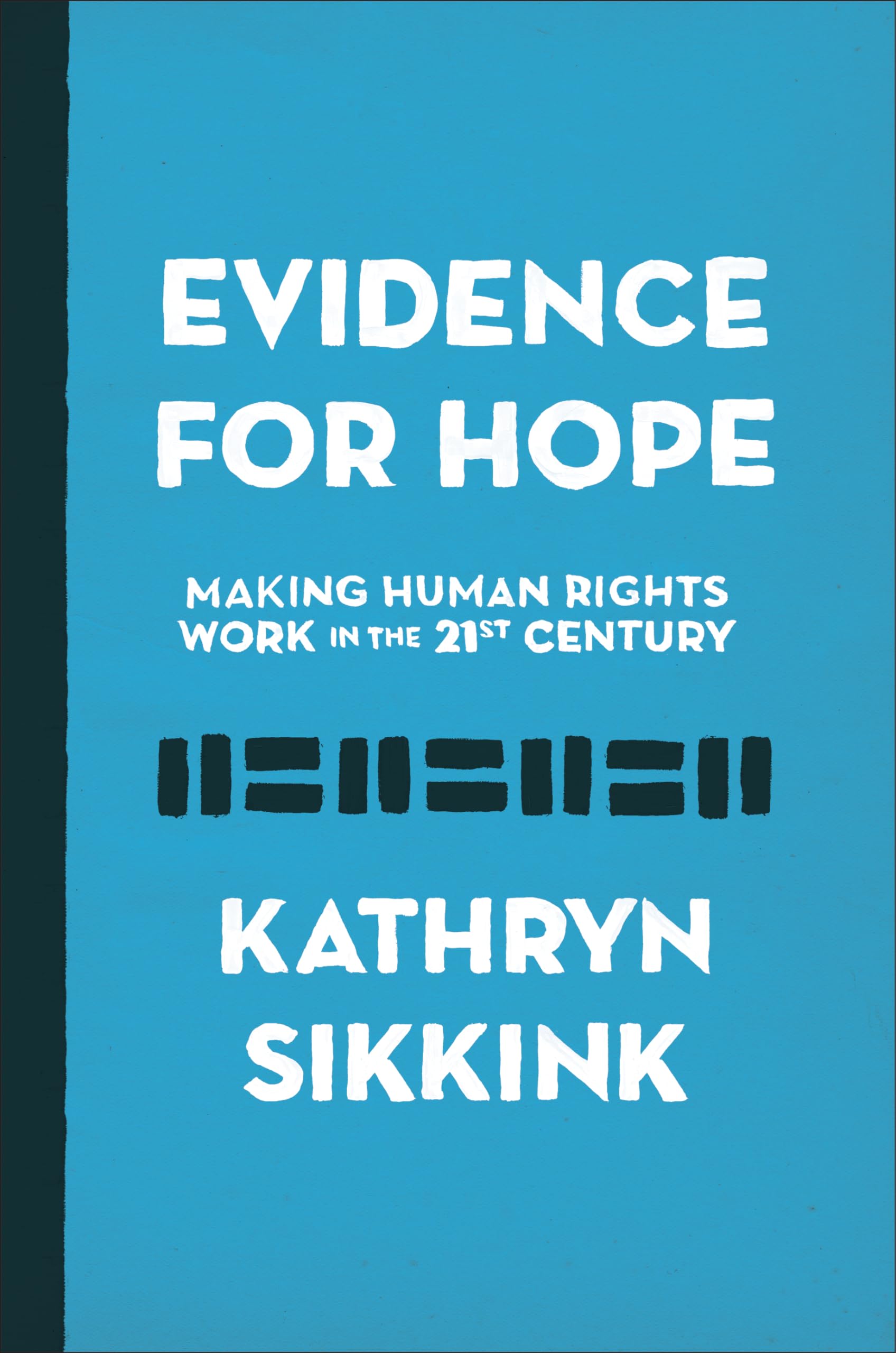
Evidence for Hope: Making Human Rights Work in the 21st Century (Human Rights and Crimes against Humanity),Used
Sold by Ergodebooks, an authorized reseller.
Returns accepted within 30 days | support@ergodebooks.com
Shipping Information
- Free Standard Shipping — United States only
- Processing Time: 3–5 business days
- Estimated Delivery: 6–10 business days after dispatch
- Double-boxed, fully insured & discreetly packaged
- Tracking number sent via email once dispatched
Returns & Refund
Returns accepted within 30 days of delivery.
Damaged or Defective Item
Free return shipping + replacement or full refund
Wrong Item Received
Free return shipping + replacement or full refund
Change of Mind
Return shipping at customer's expense · 25% restocking fee applies
Payment Option

A history of the successes of the human rights movement and a case for why human rights workEvidence for Hope makes the case that, yes, human rights work. Critics may counter that the movement is in serious jeopardy or even a questionable byproduct of Western imperialism. They point out that Guantnamo is still open, the Arab Spring protests have been crushed, and governments are cracking down on NGOs everywhere. But respected human rights expert Kathryn Sikkink draws on decades of research and fieldwork to provide a rigorous rebuttal to pessimistic doubts about human rights laws and institutions. She demonstrates that change comes slowly and as the result of struggle, but in the long term, human rights movements have been vastly effective.Attacks on the human rights movements credibility are based on the faulty premise that human rights ideas emerged in North America and Europe and were imposed on developing southern nations. Starting in the 1940s, Latin American leaders and activists were actually early advocates for the international protection of human rights. Sikkink shows that activists and scholars disagree about the efficacy of human rights because they use different yardsticks to measure progress. Comparing the present to the past, she shows that genocide and violence against civilians have declined over time, while access to healthcare and education has increased dramatically. Cognitive and news biases contribute to pervasive cynicism, but Sikkinks investigation into past and current trends indicates that human rights is not in its twilight. Instead, this is a period of vibrant activism that has made impressive improvements in human wellbeing.Exploring the strategies that have led to real humanitarian gains since the middle of the twentieth century, Evidence for Hope looks at how these essential advances can be supported and sustained for decades to come.
⚠️ WARNING (California Proposition 65):
This product may contain chemicals known to the State of California to cause cancer, birth defects, or other reproductive harm.
For more information, please visit www.P65Warnings.ca.gov.
- Q: What is the main theme of 'Evidence for Hope'? A: 'Evidence for Hope' explores the successes of the human rights movement and argues that human rights work, despite critiques suggesting otherwise.
- Q: Who is the author of the book? A: The author of 'Evidence for Hope' is Kathryn Sikkink, a respected human rights expert.
- Q: What type of binding does this book have? A: 'Evidence for Hope' is available in hardcover binding.
- Q: How many pages does 'Evidence for Hope' contain? A: 'Evidence for Hope' consists of 328 pages.
- Q: When was 'Evidence for Hope' published? A: 'Evidence for Hope' was published on September 19, 2017.
- Q: What category does this book fall under? A: 'Evidence for Hope' is categorized under Historical Study & Educational Resources.
- Q: Is 'Evidence for Hope' a new book? A: Yes, 'Evidence for Hope' is in new condition.
- Q: What is the edition of the book? A: 'Evidence for Hope' is published in an illustrated edition.
- Q: What arguments does Kathryn Sikkink present regarding human rights? A: Kathryn Sikkink argues that while progress in human rights may be slow, there have been significant improvements over time in issues like genocide, violence, healthcare, and education.
- Q: Does 'Evidence for Hope' provide evidence for the effectiveness of human rights movements? A: Yes, the book presents a rigorous analysis and evidence showing that human rights movements have led to notable humanitarian gains.