
Title
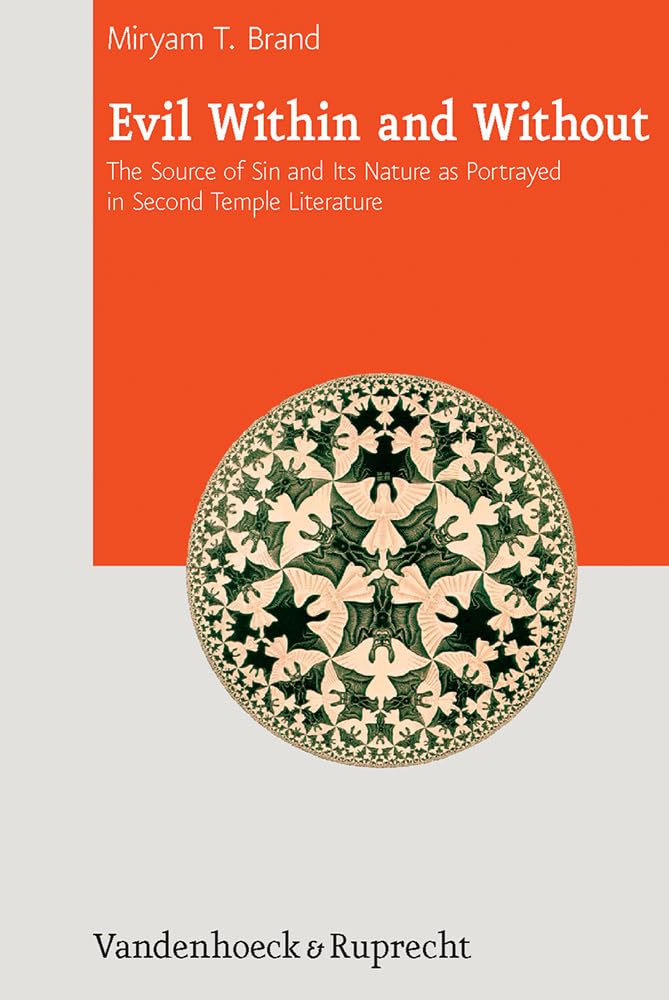
Evil Within and Without: The Source of Sin and Its Nature as Portrayed in Second Temple Literature (Journal of Ancient Judaism. ,Used
Sold by Ergodebooks, an authorized reseller.
Returns accepted within 30 days | support@ergodebooks.com
Shipping Information
- Free Standard Shipping — United States only
- Processing Time: 3–5 business days
- Estimated Delivery: 6–10 business days after dispatch
- Double-boxed, fully insured & discreetly packaged
- Tracking number sent via email once dispatched
Returns & Refund
Returns accepted within 30 days of delivery.
Damaged or Defective Item
Free return shipping + replacement or full refund
Wrong Item Received
Free return shipping + replacement or full refund
Change of Mind
Return shipping at customer's expense · 25% restocking fee applies
Payment Option

Miryam T. Brand explores how texts of the Second Temple period address the theological problem of the existence of sin and describe the source of human sin. By surveying the relevant Apocrypha, Pseudepigrapha, and Dead Sea Scrolls, as well as the works of Philo and (where relevant) Josephus, the study determines the extent to which texts' presentation of sin is influenced by genre and sectarian identification and identifies central worldviews regarding sin in the Second Temple period. The analysis is divided into two parts; the first explores texts that reflect a conviction that the source of sin is an innate human inclination, and the second analyzes texts that depict sin as caused by demons. The author demonstrates that the genre or purpose of a text is frequently a determining factor in its representation of sin, particularly influencing the text's portrayal of sin as the result of human inclination versus demonic influence and sin as a free choice or as predetermined fact. Second Temple authors and redactors chose representations of sin in accordance with their aims. Thus prayers, reflecting the experience of helplessness when encountering God, present the desire to sin as impossible to overcome without divine assistance. In contrast, covenantal texts (sectarian texts explaining the nature of the covenant) emphasize freedom of choice and the human ability to turn away from the desire to sin. Genre, however, is not the only determining factor regarding how sin is presented in these texts. Approaches to sin in sectarian texts frequently built upon already accepted ideas reflected in nonsectarian literature, adding aspects such as predestination, the periodization of evil, and a division of humanity into righteous members and evil nonmembers.
⚠️ WARNING (California Proposition 65):
This product may contain chemicals known to the State of California to cause cancer, birth defects, or other reproductive harm.
For more information, please visit www.P65Warnings.ca.gov.