If you have any questions, you are always welcome to contact us. We'll get back to you as soon as possible, withing 24 hours on weekdays.
Customer service
All questions about your order, return and delivery must be sent to our customer service team by e-mail at yourstore@yourdomain.com
Sale & Press
If you are interested in selling our products, need more information about our brand or wish to make a collaboration, please contact us at press@yourdomain.com
Help
If you have any questions, you are always welcome to contact us. We'll get back to you as soon as possible, withing 24 hours on weekdays.
Customer service
All questions about your order, return and delivery must be sent to our customer service team by e-mail at yourstore@yourdomain.com
Sale & Press
If you are interested in selling our products, need more information about our brand or wish to make a collaboration, please contact us at press@yourdomain.com
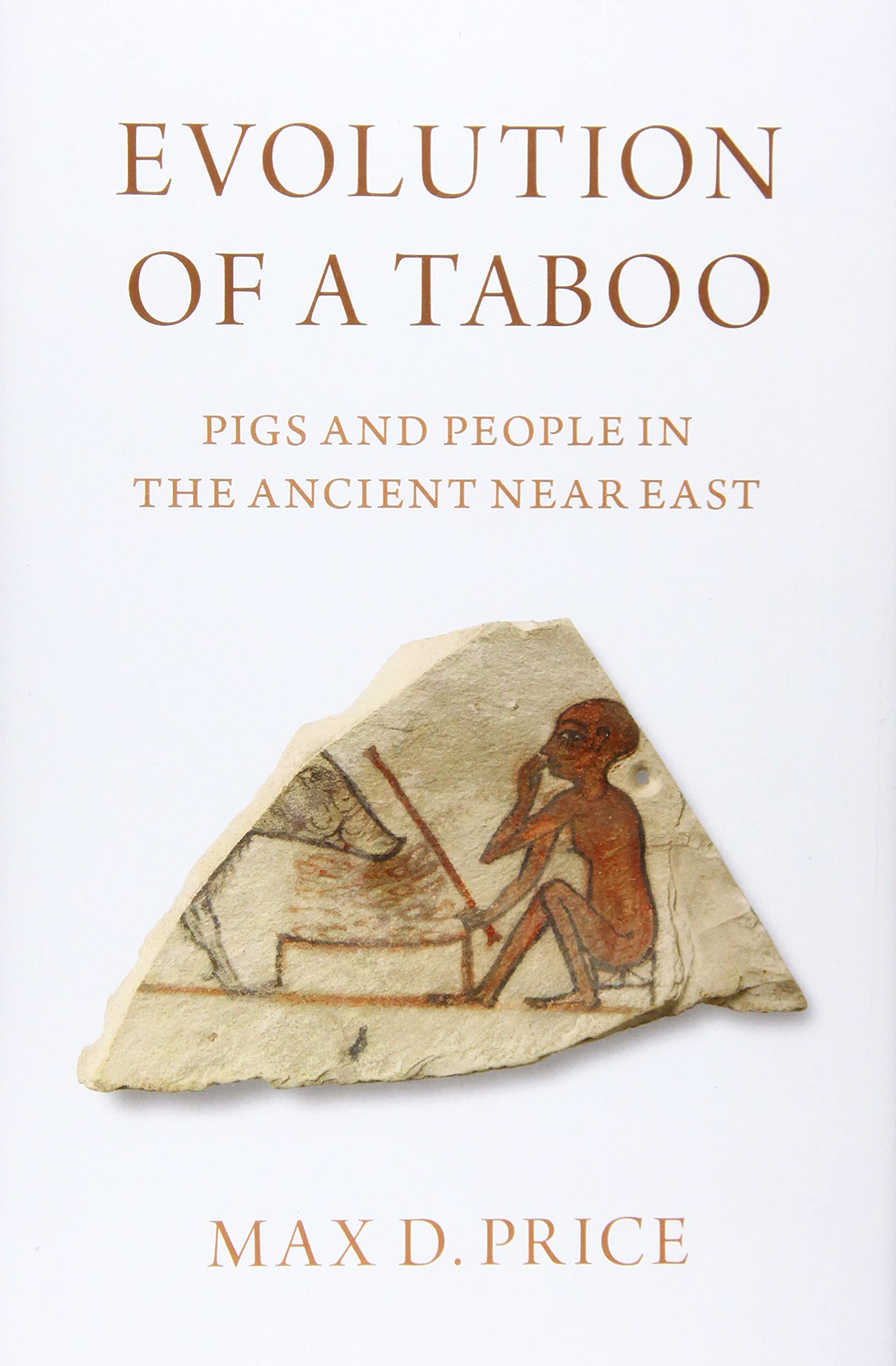
Pigs are among the most peculiar animals domesticated in the Ancient Near East. Their story, from domestication to taboo, has fascinated historians, archaeologists, and religious studies scholars for decades. Rejecting simple explanations, this book adopts an evolutionary approach that relies on zooarchaeology and texts to unravel the cultural significance of swine in the Near East from the Paleolithic to the present day. Five major themes are covered: The domestication of the pig from wild boars in the Neolithic period, the unique roles that pigs developed in agricultural economies before and after the development of complex societies, the raising of swine in cities, the shifting ritual roles of pigs, and the formation and development of the pork taboo in Judaism and, later, Islam.The origins and significance of this taboo have inspired much debate. Evolution of a Taboo contends that the wellknown taboo described in Leviticus evolved over time, beginning with conflicts between Israelites and Philistines in the early part of the Iron Age, and later was mobilized by Judah's priestly elite in the writing of the Biblical texts. Centuries later, the pig taboo became a point of contention in the ethnopolitical struggles between Jewish and GrecoRoman cultures in the Levant; later still, between Jews, Christians, and Muslims. Through these conflicts, the pig taboo grew in power. As this rich account illustrates, it came to define the relations between pigs and people in the Near East and beyond, up to the present day.
⚠️ WARNING (California Proposition 65):
This product may contain chemicals known to the State of California to cause cancer,
birth defects, or other reproductive harm.
For MAP (Minimum Advertised Price) violations and Intellectual Property (IP) or Trademark concerns, please contact:
support@ergodebooks.com
⚠️ California Proposition 65 Warning: Some products sold on this website may expose you to chemicals known to the State of California to cause cancer, birth defects, or other reproductive harm. For more information, visit www.P65Warnings.ca.gov.