If you have any questions, you are always welcome to contact us. We'll get back to you as soon as possible, withing 24 hours on weekdays.
Customer service
All questions about your order, return and delivery must be sent to our customer service team by e-mail at yourstore@yourdomain.com
Sale & Press
If you are interested in selling our products, need more information about our brand or wish to make a collaboration, please contact us at press@yourdomain.com
Help
If you have any questions, you are always welcome to contact us. We'll get back to you as soon as possible, withing 24 hours on weekdays.
Customer service
All questions about your order, return and delivery must be sent to our customer service team by e-mail at yourstore@yourdomain.com
Sale & Press
If you are interested in selling our products, need more information about our brand or wish to make a collaboration, please contact us at press@yourdomain.com
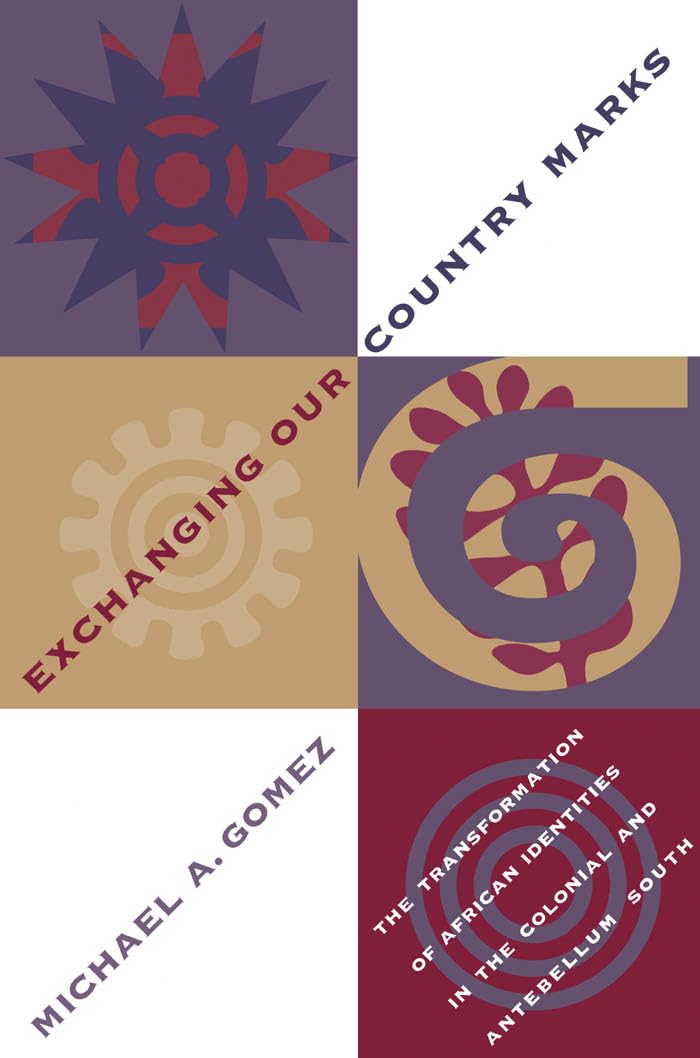
The transatlantic slave trade brought individuals from diverse African regions and cultures to a common destiny in the American South. In this comprehensive study, Michael Gomez establishes tangible links between the African American community and its African origins and traces the process by which African populations exchanged their distinct ethnic identities for onedefined primarily by the conception of race. He examines transformations in the politics, social structures, and religions of slave populations through 1830, by which time the contours of a new African American identity had begun to emerge.After discussing specific ethnic groups in Africa, Gomez follows their movement to North America, where they tended to be amassed in recognizable concentrations within individual colonies (and, later, states). For this reason, he argues, it is possible to identify particular ethnic cultural influences and ensuing social formations that heretofore have been considered unrecoverable. Using sources pertaining to the African continentas well as runaway slave advertisements, exslave narratives, and folklore, Gomez reveals concrete and specific links between particular African populations and their North American progeny, thereby shedding new light on subsequent African American social formation.
⚠️ WARNING (California Proposition 65):
This product may contain chemicals known to the State of California to cause cancer,
birth defects, or other reproductive harm.
For MAP (Minimum Advertised Price) violations and Intellectual Property (IP) or Trademark concerns, please contact:
support@ergodebooks.com
⚠️ California Proposition 65 Warning: Some products sold on this website may expose you to chemicals known to the State of California to cause cancer, birth defects, or other reproductive harm. For more information, visit www.P65Warnings.ca.gov.