If you have any questions, you are always welcome to contact us. We'll get back to you as soon as possible, withing 24 hours on weekdays.
Customer service
All questions about your order, return and delivery must be sent to our customer service team by e-mail at yourstore@yourdomain.com
Sale & Press
If you are interested in selling our products, need more information about our brand or wish to make a collaboration, please contact us at press@yourdomain.com
Help
If you have any questions, you are always welcome to contact us. We'll get back to you as soon as possible, withing 24 hours on weekdays.
Customer service
All questions about your order, return and delivery must be sent to our customer service team by e-mail at yourstore@yourdomain.com
Sale & Press
If you are interested in selling our products, need more information about our brand or wish to make a collaboration, please contact us at press@yourdomain.com
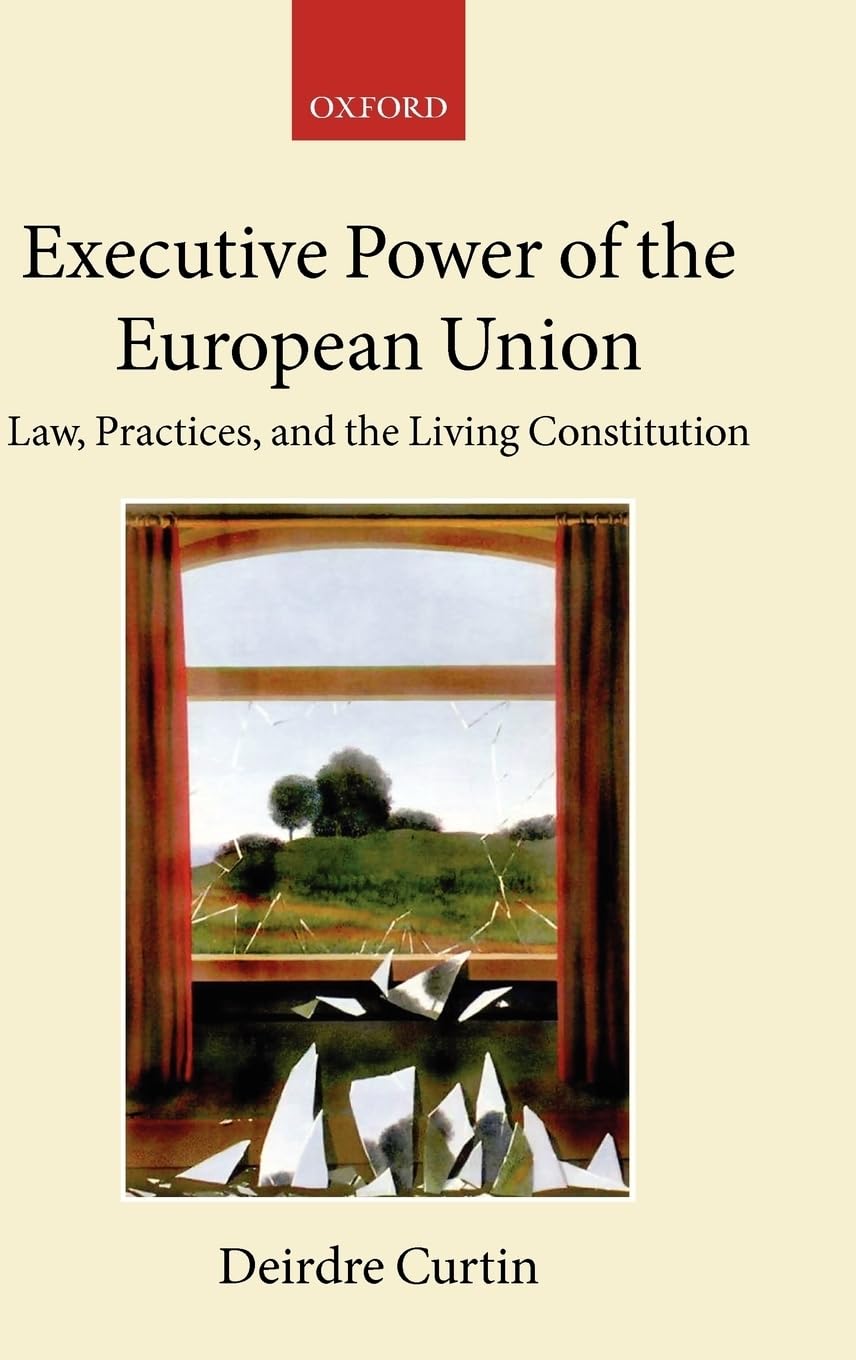
The picture of Brusselsbased bureaucrats exercising wideranging, arbitrary executive powers with no accountability is one of the favorite images conjured by Eurosceptics across the political spectrum. What truth is there in the image? This book aims to bring the EU's executive powers out of the shadows by mapping the evolution and current form of the EU's various executive actors, their powers, and the mechanisms for holding them accountable. In doing so it provides a rich understanding of the way in which the EU's institutional and legal framework fits within national constitutional presumptions about how power should be controlled and accountability achieved.Covering both the political executive and the administrative executive at the EU institutional level, the book analyzes their relationship with national executive power, and traces the historical evolution of executive order in Europe from the Peace of Westphalia through classic intergovernmental organizations to the allegedly unique EU framework. The book's analysis covers both the formal legal structure of the Union and the evolution of the EU's living institutions in practice. The picture presented is of a fragmented, cluttered and complex European executive space, resistant to radical constitutional reform and in need of a more nuanced understanding of the different forms of executive power required by different political aims and modes of decisionmaking.
⚠️ WARNING (California Proposition 65):
This product may contain chemicals known to the State of California to cause cancer,
birth defects, or other reproductive harm.
For MAP (Minimum Advertised Price) violations and Intellectual Property (IP) or Trademark concerns, please contact:
support@ergodebooks.com
⚠️ California Proposition 65 Warning: Some products sold on this website may expose you to chemicals known to the State of California to cause cancer, birth defects, or other reproductive harm. For more information, visit www.P65Warnings.ca.gov.