If you have any questions, you are always welcome to contact us. We'll get back to you as soon as possible, withing 24 hours on weekdays.
Customer service
All questions about your order, return and delivery must be sent to our customer service team by e-mail at yourstore@yourdomain.com
Sale & Press
If you are interested in selling our products, need more information about our brand or wish to make a collaboration, please contact us at press@yourdomain.com
Help
If you have any questions, you are always welcome to contact us. We'll get back to you as soon as possible, withing 24 hours on weekdays.
Customer service
All questions about your order, return and delivery must be sent to our customer service team by e-mail at yourstore@yourdomain.com
Sale & Press
If you are interested in selling our products, need more information about our brand or wish to make a collaboration, please contact us at press@yourdomain.com
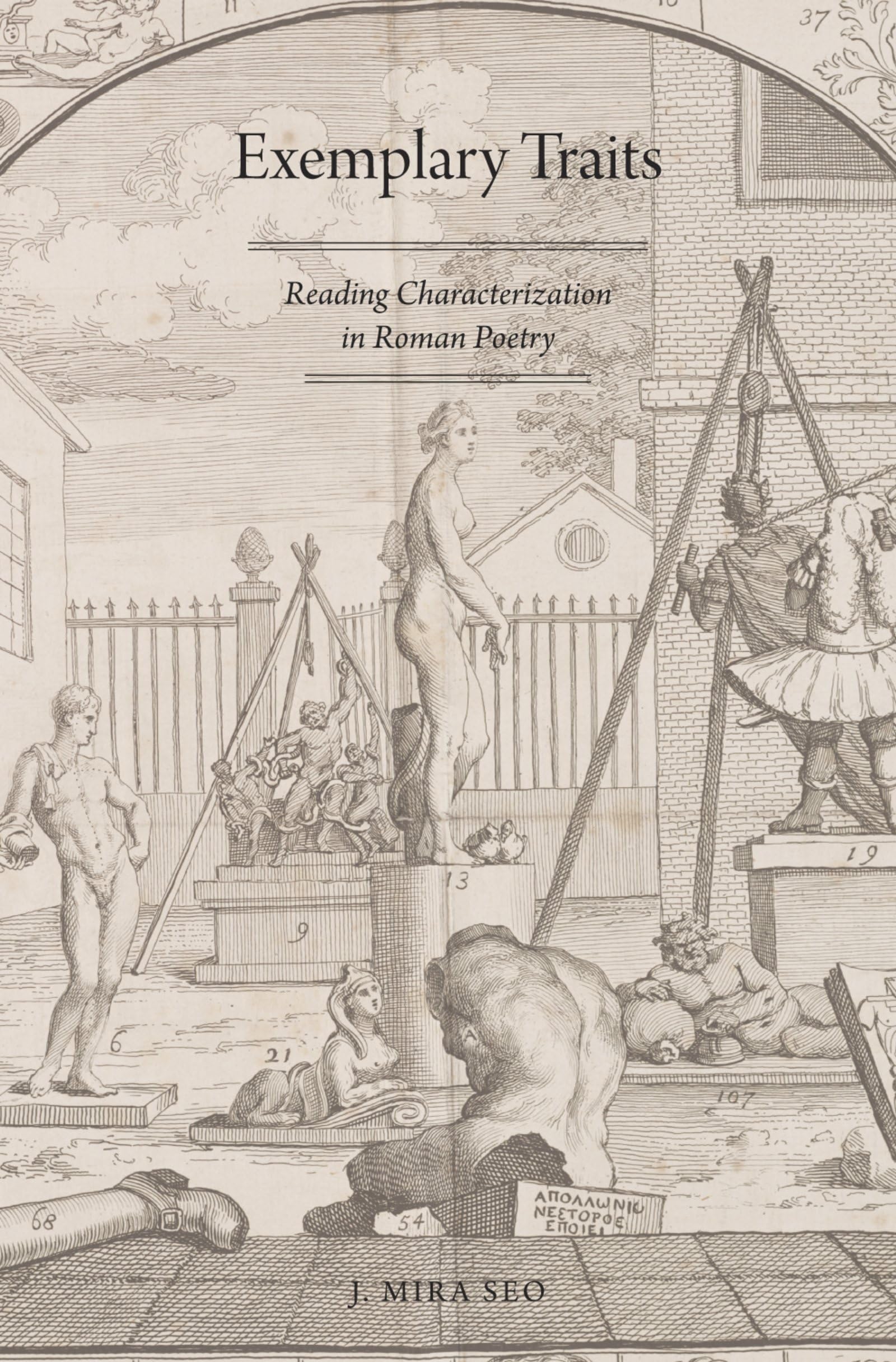
How did Roman poets create character? The mythological figures that dot the landscape of Roman poetry entail their own predetermined plotlines and received characteristics: the idea of a gentle, maternal Medea is as absurd as a spineless and weak Achilles. For Roman poets, the problem is even more acute since they follow on late in a highly developed literary tradition. The fictional characters that populate Roman literature, such as Aeneas and Oedipus, link text and reader in a form of communication that is strikingly different from a first person narrator to an addressee. With Exemplary Traits, Mira Seo addresses this often overlooked question. Her study offers an examination of how Roman poets used models dynamically to create character, and how their referential approach to character reveals them mobilizing the literary tradition. Close readings of Virgil, Lucan, Seneca, and Statius offer a more nuanced discussion of the expectations of both authors and audiences in the Roman world than those currently available in scholarly debate. By tracing the philosophical and rhetorical concepts that underlie the function of characterization, Exemplary Traits allows for a timely reconsideration of it as a fruitful literary technique.
⚠️ WARNING (California Proposition 65):
This product may contain chemicals known to the State of California to cause cancer,
birth defects, or other reproductive harm.
For MAP (Minimum Advertised Price) violations and Intellectual Property (IP) or Trademark concerns, please contact:
support@ergodebooks.com
⚠️ California Proposition 65 Warning: Some products sold on this website may expose you to chemicals known to the State of California to cause cancer, birth defects, or other reproductive harm. For more information, visit www.P65Warnings.ca.gov.