
Title
Exercise Psychology: Physical Activity and Sedentary Behavior: Physical Activity and Sedentary Behavior,Used
Sold by Ergodebooks, an authorized reseller.
Returns accepted within 30 days | support@ergodebooks.com
Shipping Information
- Free Standard Shipping — United States only
- Processing Time: 3–5 business days
- Estimated Delivery: 6–10 business days after dispatch
- Double-boxed, fully insured & discreetly packaged
- Tracking number sent via email once dispatched
Returns & Refund
Returns accepted within 30 days of delivery.
Damaged or Defective Item
Free return shipping + replacement or full refund
Wrong Item Received
Free return shipping + replacement or full refund
Change of Mind
Return shipping at customer's expense · 25% restocking fee applies
Payment Option

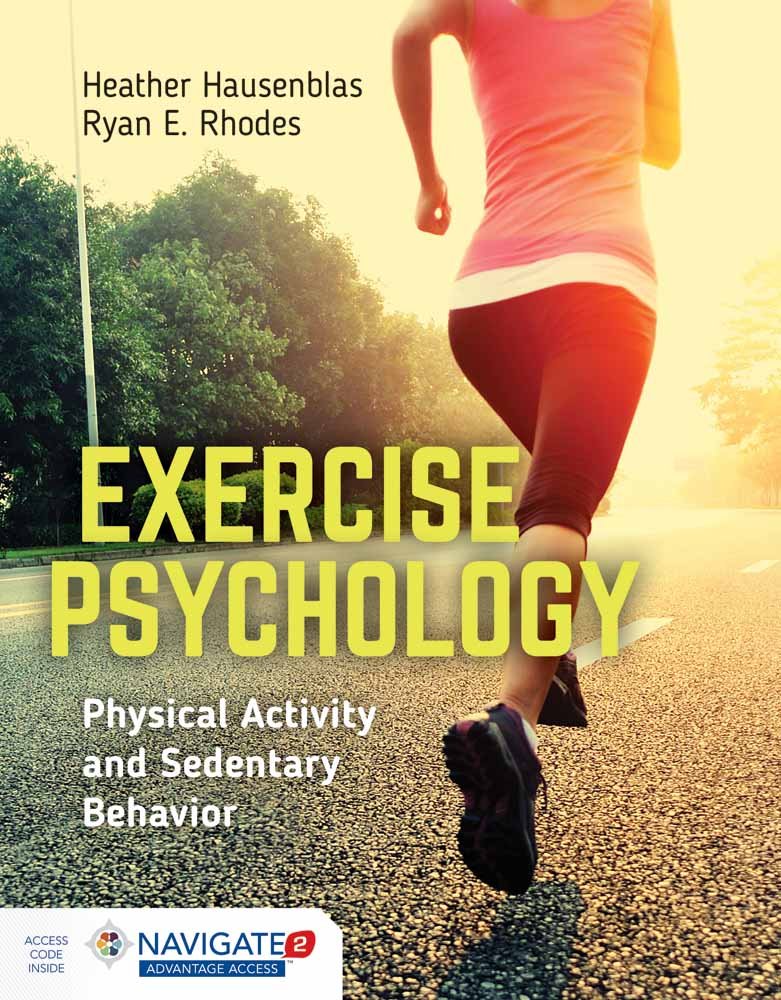
Written for the upperlevel undergraduate and graduatelevel courses in exercise psychology and behavioral physical activity, Exercise Psychology: Physical Activity and Sedentary Behavior focuses on the psychological effects of physical activity in a diverse array of populations. It emphasizes how physical activity needs to be paired with a reduction in sedentary behavior in order to achieve overall health. The first text of its kind to focus on both the psychology of exercise and sedentary behavior, it provides readers with the latest research in both areas, including coverage of sleep, pain, and delayed gratification. This text also applies a critical lens to foundational theories and incorporates applications and interventions throughout. With an engaging, studentfriendly approach, the authors provide complete and comprehensive information that examines research on behavioral physical activity and translating research into practice. Key Features: Unique in its approach, the text covers both the psychology of exercise and sedentary behavior representing a paradigm shift in the field Includes the most robust coverage on theoretical models, as well as the latest on psychological and environmental effects Learning Objectives, at the beginning of each chapter, clearly define the key concepts and focus the reader in their learning and engagement of the content A realworld Vignette opens each chapter and depicts how a person might encounter the main topic discussed in the chapter and its impact on their health Applying the Concept sections, at the end of the chapter, provide readers with the opportunity to apply the knowledge gained in the chapter to the real world scenario depicted in the Vignettes Critical Thinking Activities are included throughout each chapter to present opportunities for the reader to challenge and delve deeper in the theories, concepts, and research presented Review Questions at the end of each chapter allow readers to evaluate the achievement of the objectives outlined at the start of the chapter
⚠️ WARNING (California Proposition 65):
This product may contain chemicals known to the State of California to cause cancer, birth defects, or other reproductive harm.
For more information, please visit www.P65Warnings.ca.gov.