
Title
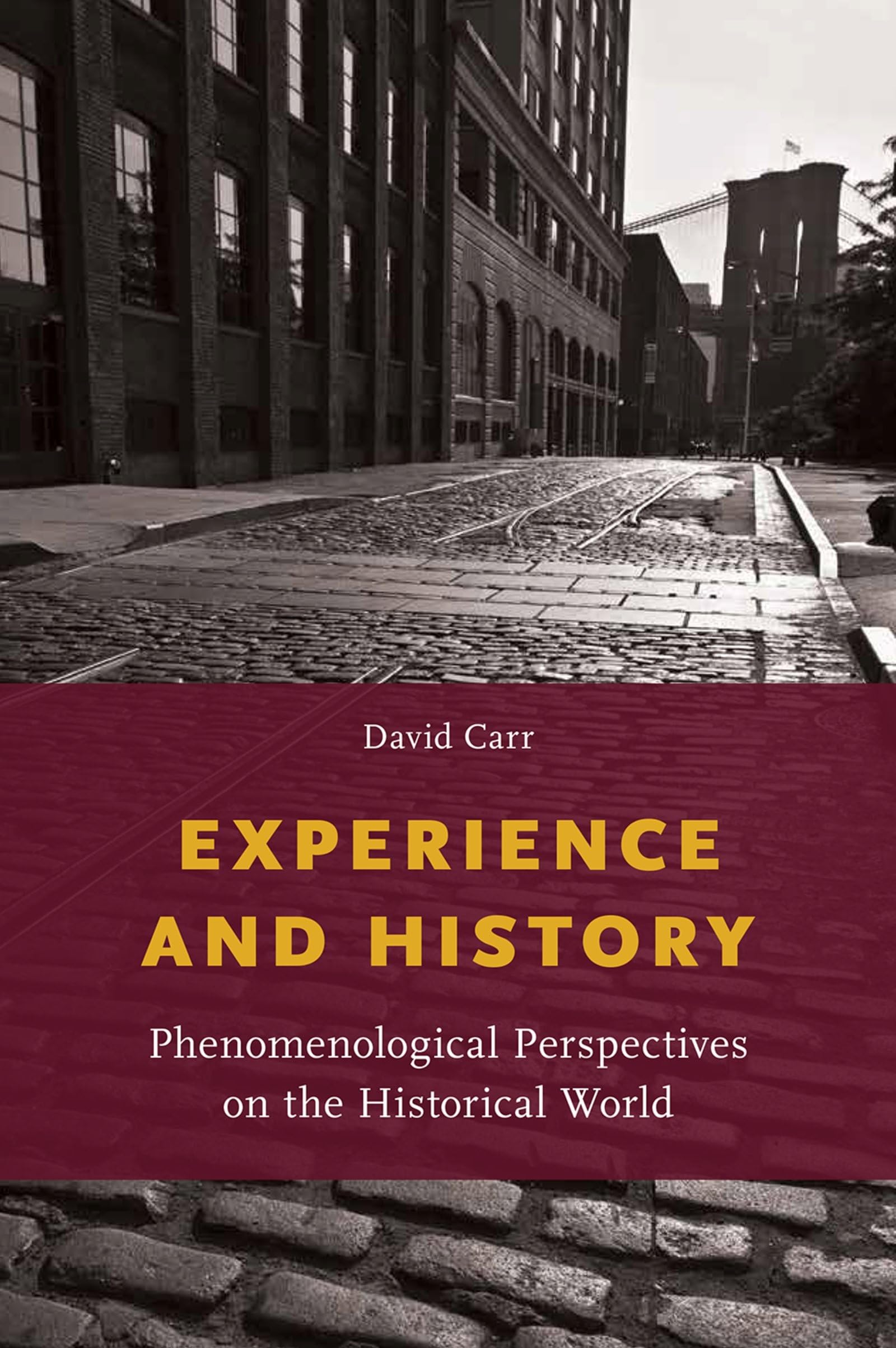
Experience and History: Phenomenological Perspectives on the Historical World,Used
Sold by Ergodebooks, an authorized reseller.
Returns accepted within 30 days | support@ergodebooks.com
Shipping Information
- Free Standard Shipping — United States only
- Processing Time: 3–5 business days
- Estimated Delivery: 6–10 business days after dispatch
- Double-boxed, fully insured & discreetly packaged
- Tracking number sent via email once dispatched
Returns & Refund
Returns accepted within 30 days of delivery.
Damaged or Defective Item
Free return shipping + replacement or full refund
Wrong Item Received
Free return shipping + replacement or full refund
Change of Mind
Return shipping at customer's expense · 25% restocking fee applies
Payment Option

David Carr outlines a distinctively phenomenological approach to history. Rather than asking what history is or how we know history, a phenomenology of history inquires into history as a phenomenon and into the experience of the historical. How does history present itself to us, how does it enter our lives, and what are the forms of experience in which it does so? History is usually associated with social existence and its past, and so Carr probes the experience of the social world and of its temporality. Experience in this context connotes not just observation but also involvement and interaction: We experience history not just in the social world around us but also in our own engagement with it.For several decades, philosophers' reflections on history have been dominated by two themes: representation and memory. Each is conceived as a relation to the past: representation can be of the past, and memory is by its nature of the past. On both of these accounts, history is separated by a gap from what it seeks to find or wants to know, and its activity is seen by philosophers as that of bridging this gap. This constitutes the problem to which the philosophy of history addresses itself: how does history bridge the gap which separates it from its object, the past?It is against this background that a phenomenological approach, based on the concept of experience, can be proposed as a means of solving this problemor at least addressing it in a way that takes us beyond the notion of a gap between present and past.
⚠️ WARNING (California Proposition 65):
This product may contain chemicals known to the State of California to cause cancer, birth defects, or other reproductive harm.
For more information, please visit www.P65Warnings.ca.gov.