
Title
Explaining the Cosmos: Creation and Cultural Interaction in LateAntique Gaza (Oxford Studies in Late Antiquity),Used
Sold by Ergodebooks, an authorized reseller.
Returns accepted within 30 days | support@ergodebooks.com
Shipping Information
- Free Standard Shipping — United States only
- Processing Time: 3–5 business days
- Estimated Delivery: 6–10 business days after dispatch
- Double-boxed, fully insured & discreetly packaged
- Tracking number sent via email once dispatched
Returns & Refund
Returns accepted within 30 days of delivery.
Damaged or Defective Item
Free return shipping + replacement or full refund
Wrong Item Received
Free return shipping + replacement or full refund
Change of Mind
Return shipping at customer's expense · 25% restocking fee applies
Payment Option

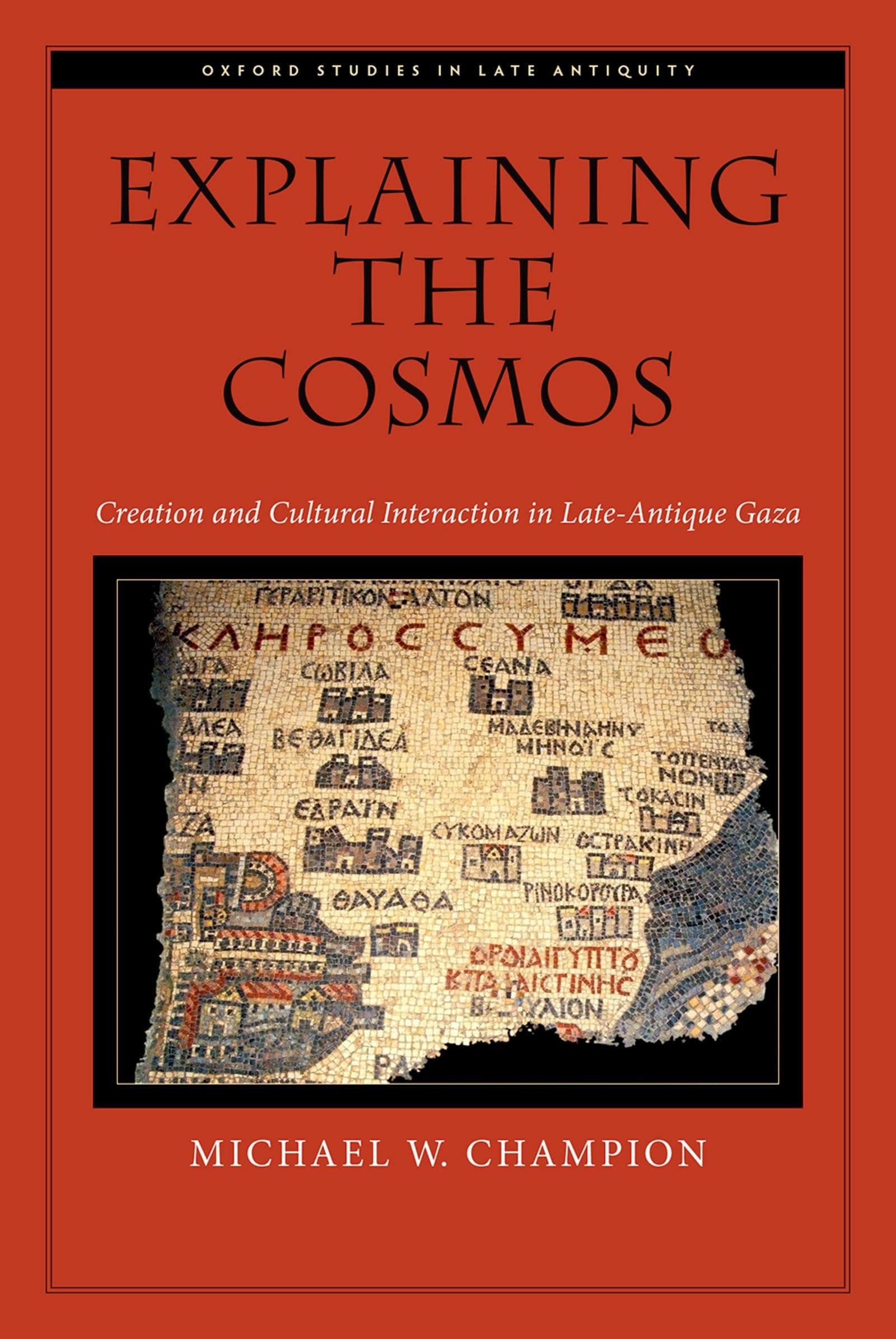
Explaining the Cosmos analyzes the writings of three thinkers associated with Gaza: Aeneas, Zacharias and Procopius. Together, they offer a case study for the appropriation, adaptation, and transformation of classical philosophy in late antiquity, and for cultural transitions more generally in Gaza. Aeneas claimed that the "Academy and Lyceum" had been transferred to Gaza. This book asks what the cultural and intellectual characteristics of the Gazan "Academies" were, and how members of the schools mixed with local cultures of Christians, philosophers, rhetoricians and monks from the local monasteries.Aeneas, Zacharias and Procopius each contributed to debates about the creation and eternity of the world, which ran from the Neoplatonist Proclus into the sixthcentury disputes between Philoponus, Simplicius and Cosmas Indicopleustes. The Gazan contribution is significant in its own right, highlighting distinctive aspects of lateantique Christianity, and it throws the later philosophical debates into sharper relief. Focusing on the creation debates also allows for exploration of the local cultures that constituted Gazan society in the latefifth and earlysixth centuries. Explaining the Cosmos further explores cultural dynamics in the Gazan schools and monasteries and the wider cultural history of the city. The Gazans adapt and transform aspects of Classical and Neoplatonic culture while rejecting Neoplatonic religious claims. The study also analyses the Gazans' intellectual contributions in the context of Neoplatonism and early Christianity. The Gaza which emerges from this study is a set of cultures in transition, mutually constituting and transforming each other through a fugal pattern of exchange, adaptation, conflict and collaboration.
⚠️ WARNING (California Proposition 65):
This product may contain chemicals known to the State of California to cause cancer, birth defects, or other reproductive harm.
For more information, please visit www.P65Warnings.ca.gov.