
Title
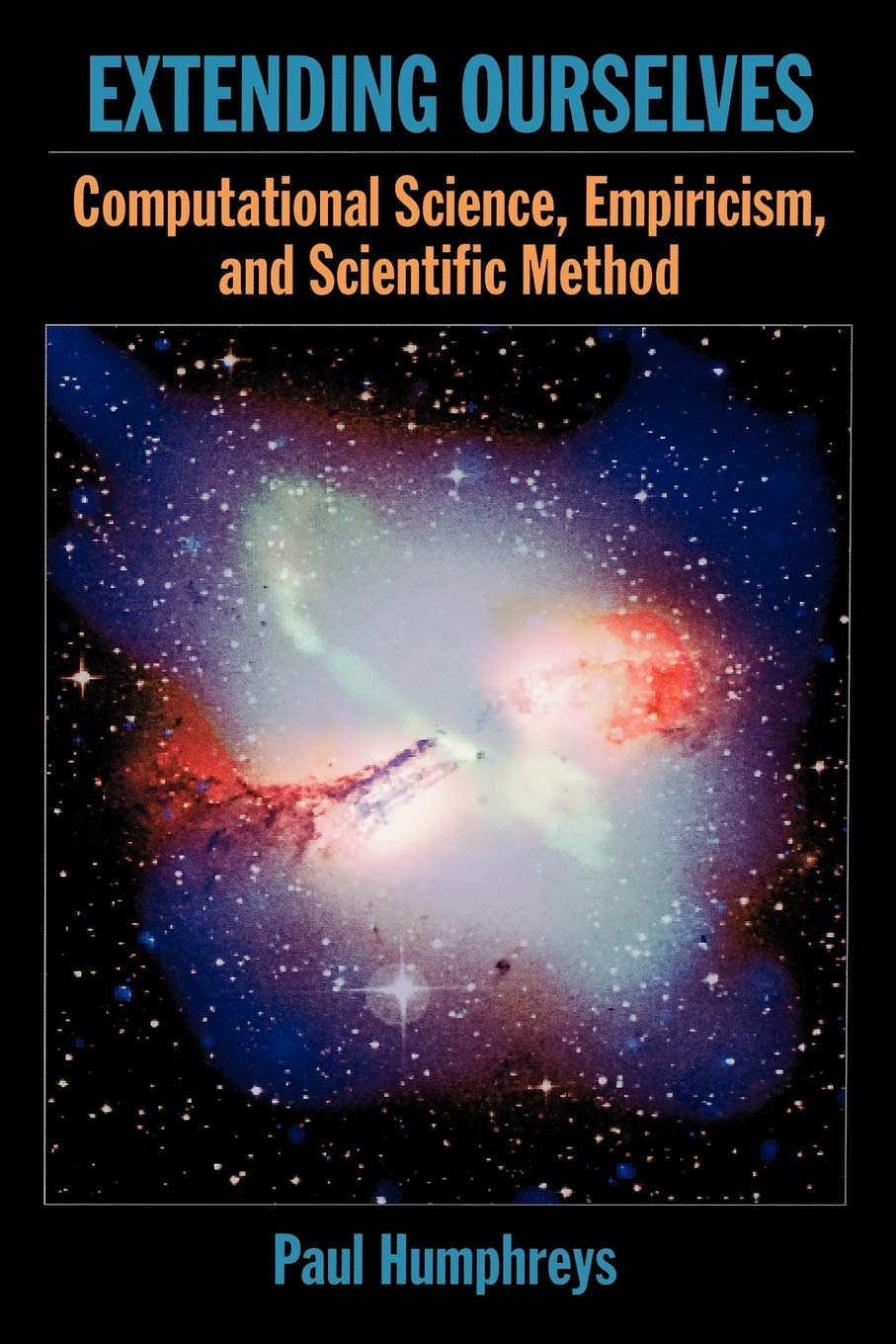
Extending Ourselves: Computational Science, Empiricism, And Scientific Method
Sold by Ergodebooks, an authorized reseller.
Returns accepted within 30 days | support@ergodebooks.com
Shipping Information
- Free Standard Shipping — United States only
- Processing Time: 3–5 business days
- Estimated Delivery: 6–10 business days after dispatch
- Double-boxed, fully insured & discreetly packaged
- Tracking number sent via email once dispatched
Returns & Refund
Returns accepted within 30 days of delivery.
Damaged or Defective Item
Free return shipping + replacement or full refund
Wrong Item Received
Free return shipping + replacement or full refund
Change of Mind
Return shipping at customer's expense · 25% restocking fee applies
Payment Option

Computational methods have become the dominant technique in many areas of science. This book contains the first systematic philosophical account of these new methods and their consequences for scientific method. This book will be of interest to philosophers of science and to anyone interested in the role played by computers in modern science.
⚠️ WARNING (California Proposition 65):
This product may contain chemicals known to the State of California to cause cancer, birth defects, or other reproductive harm.
For more information, please visit www.P65Warnings.ca.gov.
- Q: What is the binding type of this book? A: This book has a paperback binding. Paperback bindings are flexible and lightweight, making them easy to carry and read.
- Q: How many pages does the book have? A: The book contains one hundred ninety-two pages. This length is suitable for a thorough exploration of its themes without overwhelming the reader.
- Q: What are the dimensions of the book? A: The book measures eight point nine inches in length, zero point four three inches in width, and nine point zero two inches in height. These dimensions make it a standard size for easy handling.
- Q: Who is the author of this book? A: The author of this book is Paul Humphreys. He provides a philosophical perspective on computational science and its implications.
- Q: What category does this book fall under? A: This book is categorized under Linguistics. It explores the intersection of computational methods and scientific philosophy.
- Q: What themes are explored in the book? A: The book delves into computational science, empiricism, and the scientific method. It offers insights into how computational methods impact scientific inquiry.
- Q: Is this book suitable for beginners in science? A: Yes, this book is suitable for beginners interested in science and philosophy. It provides a systematic account that is accessible to readers new to these concepts.
- Q: Can I use this book for academic purposes? A: Yes, this book can be used for academic purposes. It is valuable for students and scholars studying the philosophy of science and computational methods.
- Q: Does this book include exercises or activities? A: No, this book does not include exercises or activities. It primarily focuses on theoretical discussions and philosophical analyses.
- Q: How should I store this book to keep it in good condition? A: Store this book in a cool, dry place away from direct sunlight. This will help preserve the quality of the paperback binding and pages.
- Q: Is this book safe for younger readers? A: Yes, this book is safe for younger readers. It discusses scientific concepts in a philosophical context without inappropriate content.
- Q: What should I do if the book arrives damaged? A: If the book arrives damaged, contact the seller for a return or exchange. Most sellers have policies in place for handling damaged items.
- Q: Does this book provide references or further reading? A: Yes, the book provides references for further reading. This is helpful for readers interested in exploring the topics in more depth.
- Q: Is this book part of a series? A: No, this book is not part of a series. It stands alone as a comprehensive examination of its subject matter.
- Q: What type of readers would benefit from this book? A: Readers interested in the philosophy of science and the role of computation in scientific methods would benefit most from this book. It caters to both philosophers and scientists.