
Title
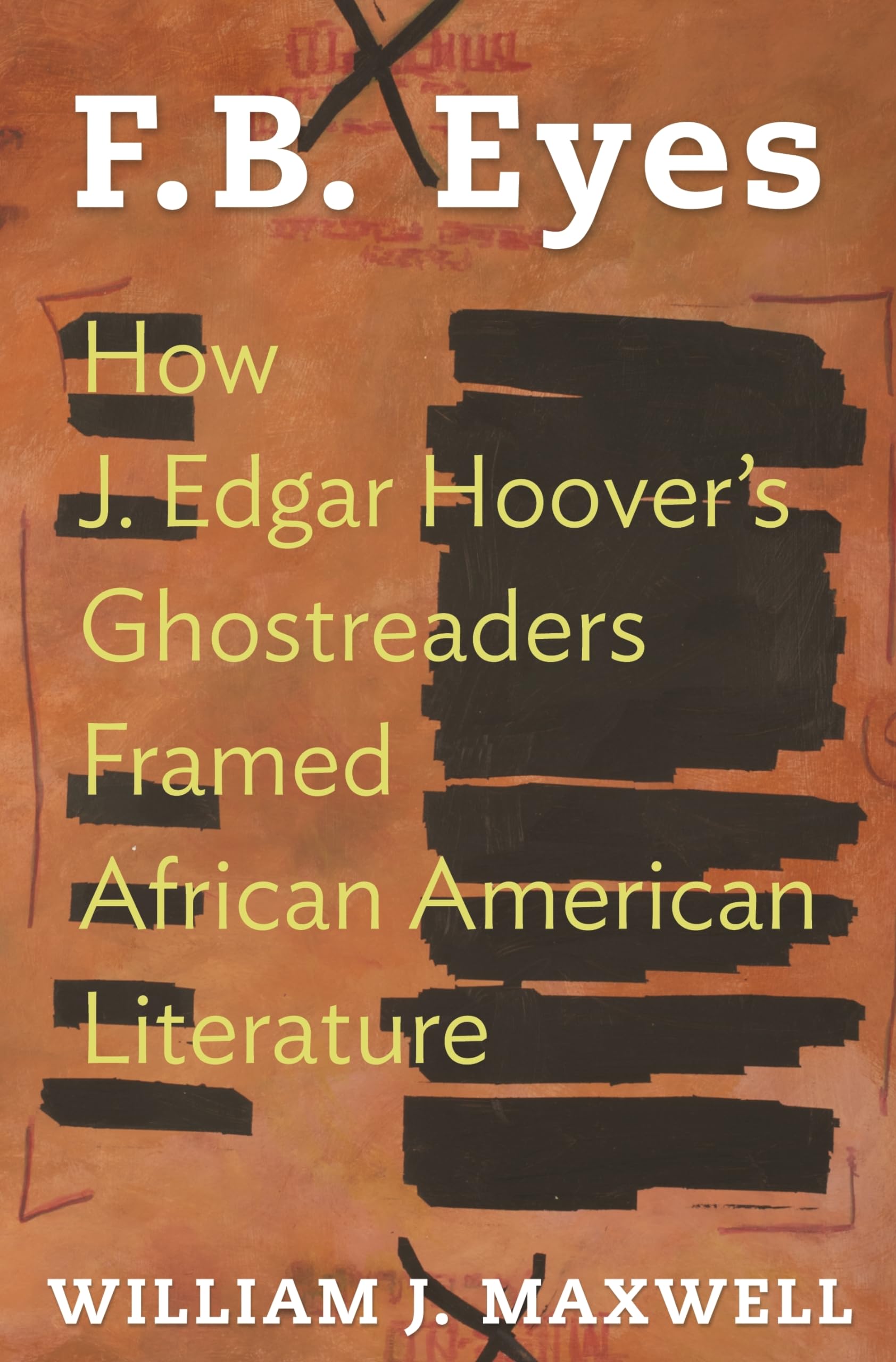
F.B. Eyes: How J. Edgar Hoover's Ghostreaders Framed African American Literature,Used
Sold by Ergodebooks, an authorized reseller.
Returns accepted within 30 days | support@ergodebooks.com
Shipping Information
- Free Standard Shipping — United States only
- Processing Time: 3–5 business days
- Estimated Delivery: 6–10 business days after dispatch
- Double-boxed, fully insured & discreetly packaged
- Tracking number sent via email once dispatched
Returns & Refund
Returns accepted within 30 days of delivery.
Damaged or Defective Item
Free return shipping + replacement or full refund
Wrong Item Received
Free return shipping + replacement or full refund
Change of Mind
Return shipping at customer's expense · 25% restocking fee applies
Payment Option

How FBI surveillance influenced African American writingFew institutions seem more opposed than African American literature and J. Edgar Hoover's whitebread Federal Bureau of Investigation. But behind the scenes the FBI's hostility to black protest was energized by fear of and respect for black writing. Drawing on nearly 14,000 pages of newly released FBI files, F.B. Eyes exposes the Bureaus intimate policing of five decades of African American poems, plays, essays, and novels. Starting in 1919, year one of Harlems renaissance and Hoovers career at the Bureau, secretive FBI "ghostreaders" monitored the latest developments in African American letters. By the time of Hoovers death in 1972, these ghostreaders knew enough to simulate a sinister black literature of their own. The official aim behind the Bureaus close reading was to anticipate political unrest. Yet, as William J. Maxwell reveals, FBI surveillance came to influence the creation and public reception of African American literature in the heart of the twentieth century.Taking his title from Richard Wrights poem "The FB Eye Blues," Maxwell details how the FBI threatened the international travels of African American writers and prepared to jail dozens of them in times of national emergency. All the same, he shows that the Bureaus paranoid style could prompt insightful criticism from Hoovers ghostreaders and creative replies from their literary targets. For authors such as Claude McKay, James Baldwin, and Sonia Sanchez, the suspicion that government spycritics tracked their every word inspired rewarding stylistic experiments as well as disabling selfcensorship.Illuminating both the serious harms of state surveillance and the ways in which imaginative writing can withstand and exploit it, F.B. Eyes is a groundbreaking account of a longhidden dimension of African American literature.
⚠️ WARNING (California Proposition 65):
This product may contain chemicals known to the State of California to cause cancer, birth defects, or other reproductive harm.
For more information, please visit www.P65Warnings.ca.gov.