
Title
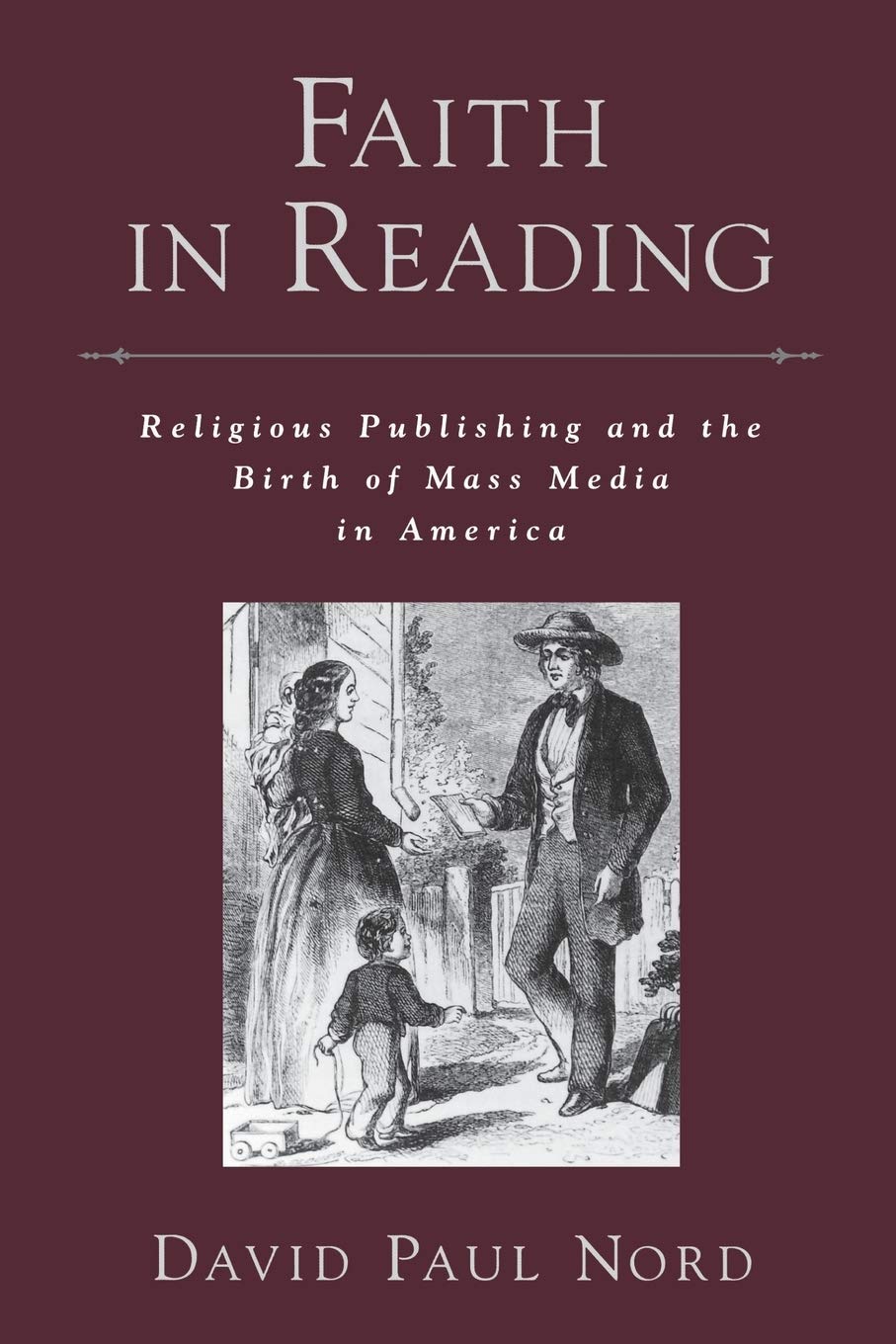
Faith in Reading: Religious Publishing and the Birth of Mass Media in America (Religion in America),Used
Sold by Ergodebooks, an authorized reseller.
Returns accepted within 30 days | support@ergodebooks.com
Shipping Information
- Free Standard Shipping — United States only
- Processing Time: 3–5 business days
- Estimated Delivery: 6–10 business days after dispatch
- Double-boxed, fully insured & discreetly packaged
- Tracking number sent via email once dispatched
Returns & Refund
Returns accepted within 30 days of delivery.
Damaged or Defective Item
Free return shipping + replacement or full refund
Wrong Item Received
Free return shipping + replacement or full refund
Change of Mind
Return shipping at customer's expense · 25% restocking fee applies
Payment Option

In the twentyfirst century, mass media corporations are often seen as profithungry money machines. It was a different world in the early days of mass communication in America. Faith in Reading tells the remarkable story of the noncommercial religious origins of our modern media culture. In the early nineteenth century, a few visionary entrepreneurs decided the time was right to reach everyone in America through the medium of print. Though they were modern businessmen, their publishing enterprises were not commercial businesses but nonprofit societies committed to the publication of traditional religious texts. Drawing on organizational reports and archival sources, David Paul Nord shows how the managers of Bible and religious tract societies made themselves into largescale manufacturers and distributors of print. These organizations believed it was possible to place the same printed message into the hands of every man, woman, and child in America. Employing modern printing technologies and business methods, they were remarkably successful, churning out millions of Bibles, tracts, religious books, and periodicals. They mounted massive campaigns to make books cheap and plentiful by turning them into modern, massproduced consumer goods. Nord demonstrates how religious publishers learned to work against the flow of ordinary commerce. They believed that reading was too important to be left to the 'market revolution,' so they turned the market on its head, seeking to deliver their product to everyone, regardless of ability or even desire to buy. Wedding modern technology and national organization to a traditional faith in reading, these publishing societies imagined and then invented mass media in America.
⚠️ WARNING (California Proposition 65):
This product may contain chemicals known to the State of California to cause cancer, birth defects, or other reproductive harm.
For more information, please visit www.P65Warnings.ca.gov.