
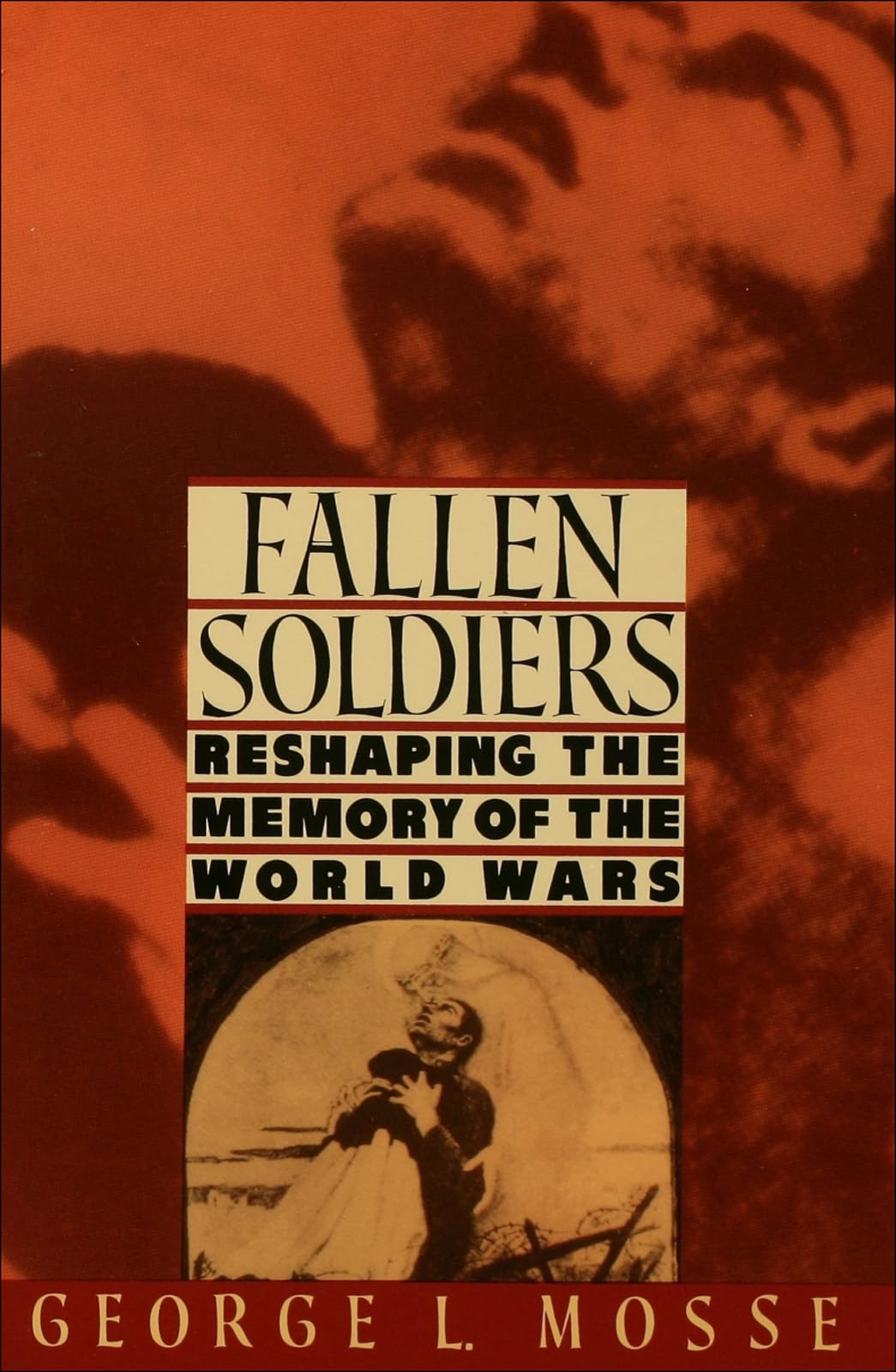
Title
Fallen Soldiers: Reshaping The Memory Of The World Wars,New
Sold by Ergodebooks, an authorized reseller.
Returns accepted within 30 days | support@ergodebooks.com
Shipping Information
- Free Standard Shipping — United States only
- Processing Time: 3–5 business days
- Estimated Delivery: 6–10 business days after dispatch
- Double-boxed, fully insured & discreetly packaged
- Tracking number sent via email once dispatched
Returns & Refund
Returns accepted within 30 days of delivery.
Damaged or Defective Item
Free return shipping + replacement or full refund
Wrong Item Received
Free return shipping + replacement or full refund
Change of Mind
Return shipping at customer's expense · 25% restocking fee applies
Payment Option

At The Outbreak Of The First World War, An Entire Generation Of Young Men Charged Into Battle For What They Believed Was A Glorious Cause. Over The Next Four Years, That Cause Claimed The Lives Of Some 13 Million Soldiersmore Than Twice The Number Killed In All The Major Wars From 1790 To 1914. But Despite This Devastating Toll, The Memory Of The War Was Not, Predominantly, Of The Grim Reality Of Its Trench Warfare And Battlefield Carnage. What Was Most Remembered By The War'S Participants Was Its Sacredness And The Martyrdom Of Those Who Had Died For The Greater Glory Of The Fatherland.War, And The Sanctification Of It, Is The Subject Of This Pioneering Work By Wellknown European Historian George L. Mosse. Fallen Soldiers Offers A Profound Analysis Of What He Calls The Myth Of The War Experiencea Vision Of War That Masks Its Horror, Consecrates Its Memory, And Ultimately Justifies Its Purpose. Beginning With The Napoleonic Wars, Mosse Traces The Origins Of This Myth And Its Symbols, And Examines The Role Of War Volunteers In Creating And Perpetuating It. But It Was Not Until World War I, When Europeans Confronted Mass Death On An Unprecedented Scale, That The Myth Gained Its Widest Currency. Indeed, As Mosse Makes Clear, The Need To Find A Higher Meaning In The War Became A National Obsession. Focusing On Germany, With Examples From England, France, And Italy, Mosse Demonstrates How These Nationsthrough Memorials, Monuments, And Military Cemeteries Honoring The Dead As Martyrsglorified The War And Fostered A Popular Acceptance Of It. He Shows How The War Was Further Promoted Through A Process Of Trivialization In Which War Toys And Souvenirs, As Well As Postcards Like Those Picturing The Easter Bunny On The Western Front, Softened The War'S Image In The Public Mind.The Great War Ended In 1918, But The Myth Of The War Experience Continued, Achieving Its Most Ruthless Political Effect In Germany In The Interwar Years. There The Glorified Notion Of War Played Into The Militant Politics Of The Nazi Party, Fueling The Belligerent Nationalism That Led To World War Ii. But That Cataclysm Would Ultimately Shatter The Myth, And In Exploring The Postwar Years, Mosse Reveals The Extent To Which The View Of Death In War, And War In General, Was Finally Changed. In So Doing, He Completes What Is Likely To Become One Of The Classic Studies Of Modern War And The Complex, Often Disturbing Nature Of Human Perception And Memory.
⚠️ WARNING (California Proposition 65):
This product may contain chemicals known to the State of California to cause cancer, birth defects, or other reproductive harm.
For more information, please visit www.P65Warnings.ca.gov.